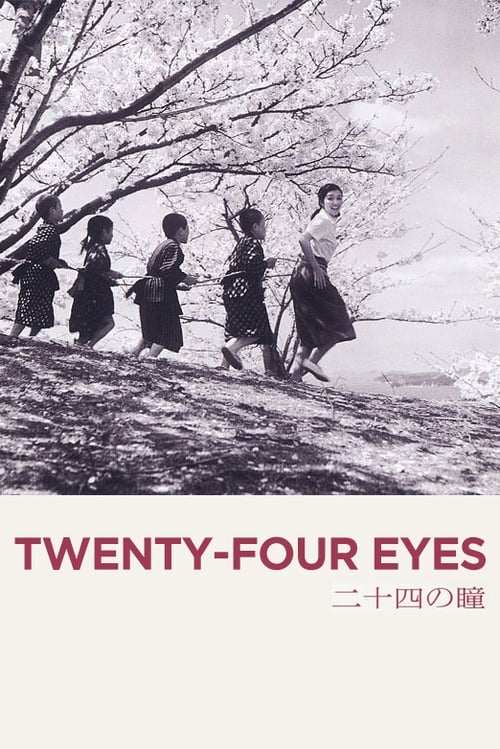
Twenty-Four Eyes
1954
No user ratings available yet
Diversity score: 4.3 out of 10
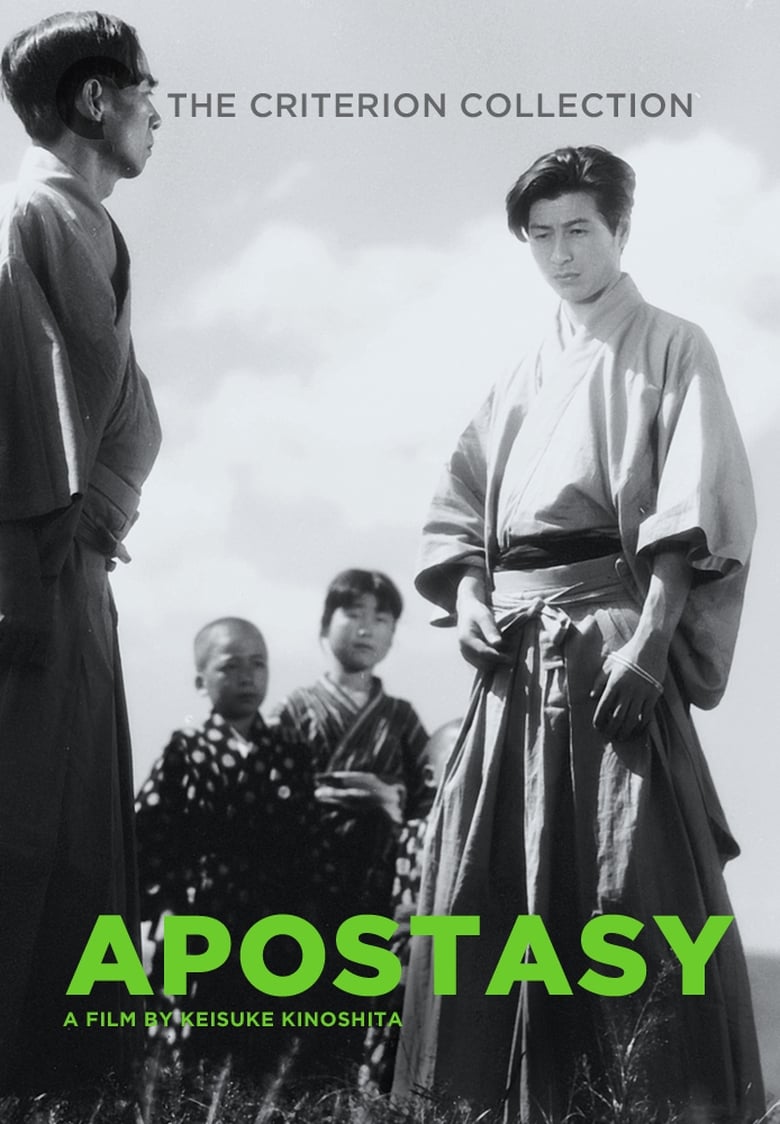
1948
Director
Keisuke Kinoshita
Runtime
99 minutes
Average Rating
No ratings yetSynopsis
In the Meiji period, a schoolteacher tries to hide his lower-class upbringing as he supports a visiting liberal intellectual.
Overall Score
Fair
Category Breakdown
LGBTQ+ Representation
The film lacks LGBTQ+ characters or non-cisnormative identities. It focuses instead on heteronormative romantic tensions and the social pressures of traditional marriage during the Meiji era.
Gender Representation
The narrative offers a nuanced critique of patriarchal structures. It highlights the female experience of arranged marriage and grants characters psychological agency despite restrictive social mores.
Racial & Ethnic Diversity
The cast is ethnically homogeneous, reflecting its specific historical and cultural setting. There is no evidence of whitewashing or intersectional racial blending within the production.
Religious & Cultural Diversity
The story critiques traditionalism by portraying family units and village customs as oppressive forces. It frames the pursuit of personal happiness as being in opposition to rigid social duties.
Disability Representation
There is no significant evidence regarding the portrayal of physical or neurodivergent disabilities in this work.
Strengths
Areas for Improvement
AI Analysis
Apostasy is a period drama that prioritizes thematic depth over demographic breadth. While the cast is ethnically homogeneous due to its historical setting, the film excels in its progressive interrogation of social hierarchies. The narrative functions as a critique of traditionalist authority, specifically targeting the oppressive nature of family customs and patriarchal expectations. This provides a strong foundation for social realism. However, the film's lack of LGBTQ+ representation and its narrow ethnic scope reflect the era's constraints, resulting in a mid-range diversity score despite its high thematic value.
1954
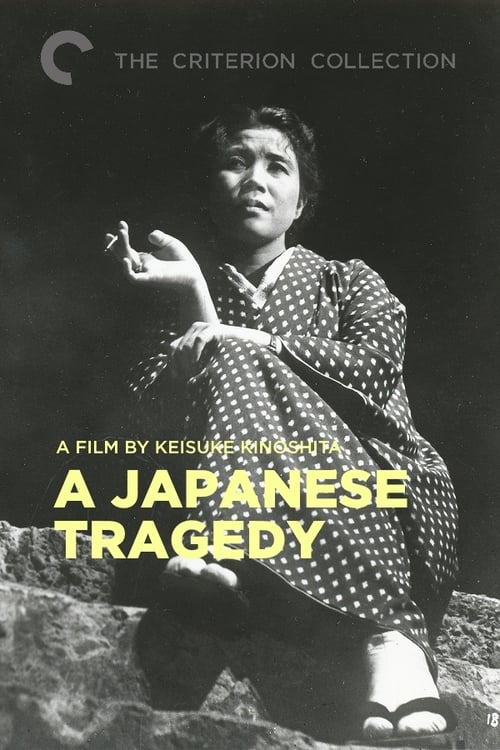
1953
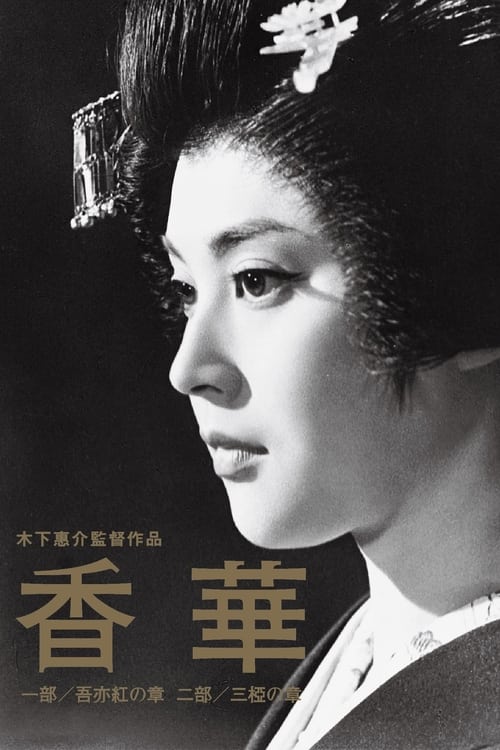
1964

1951
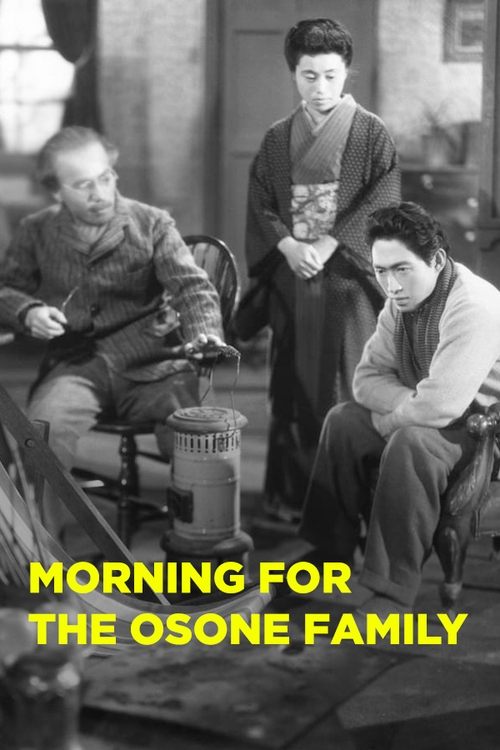
1946
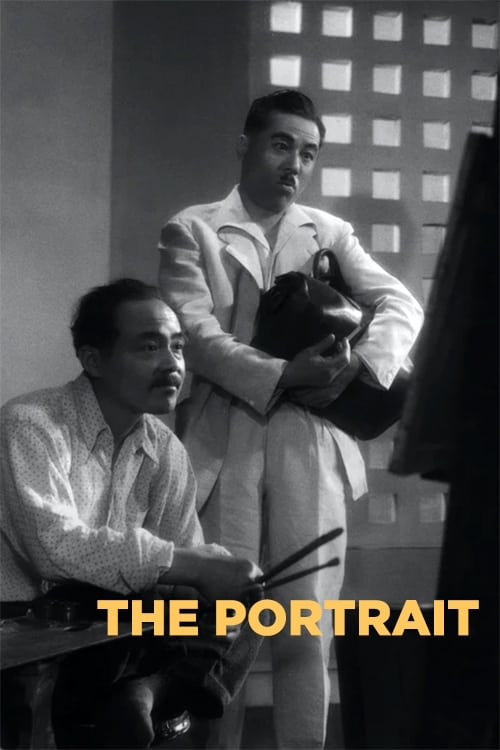
1948
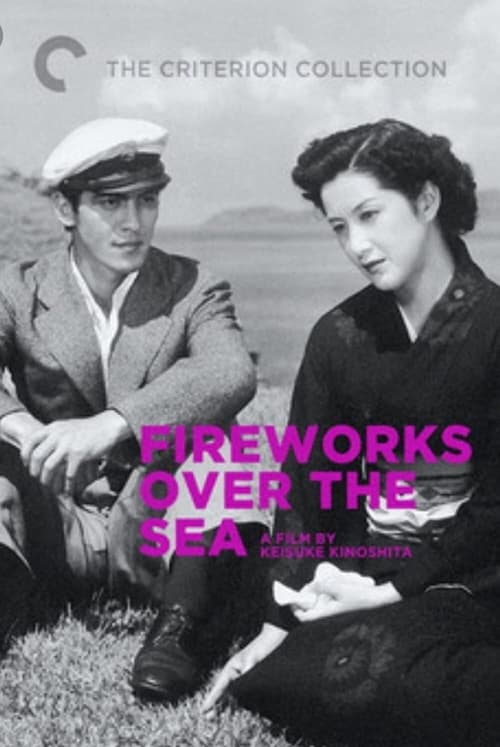
1951

1956
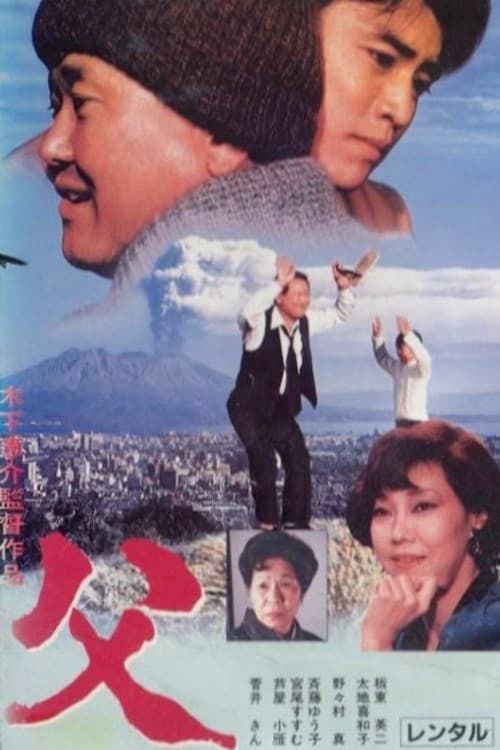
1988
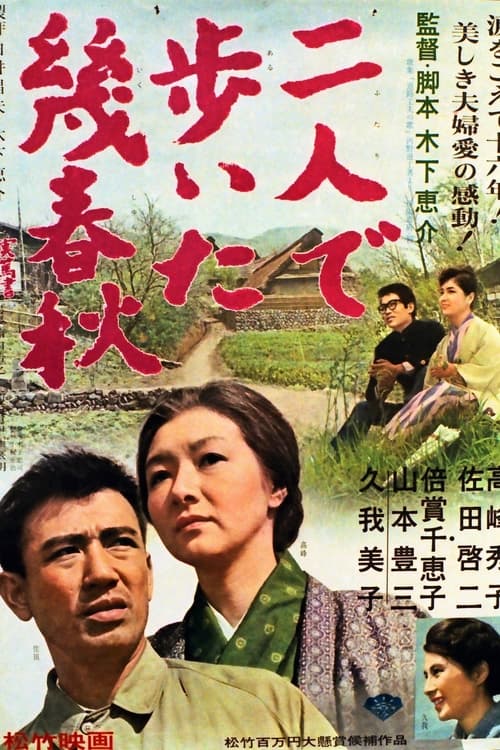
1962

1930
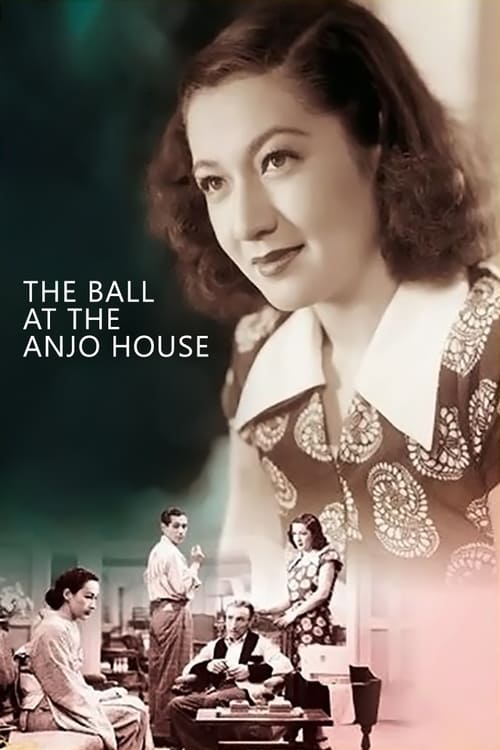
1947
No reviews yet. Be the first to share your thoughts on this movie!
Use the rating form above to leave a star rating and optional review.