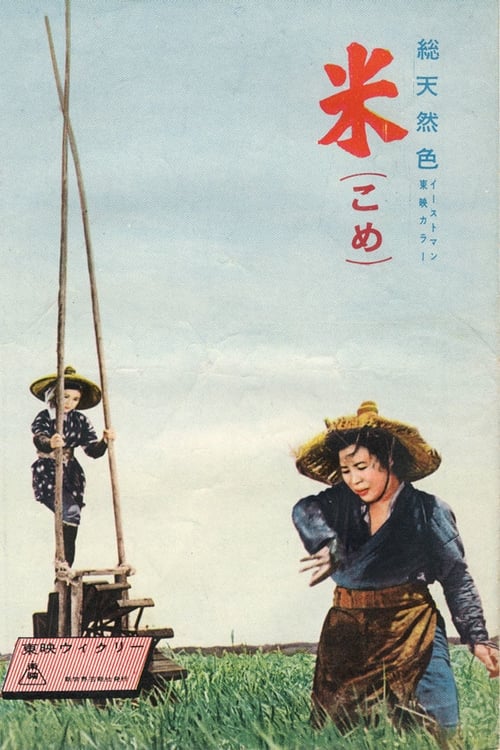
Rice
1957
No user ratings available yet
Representation score: 2.6 out of 10
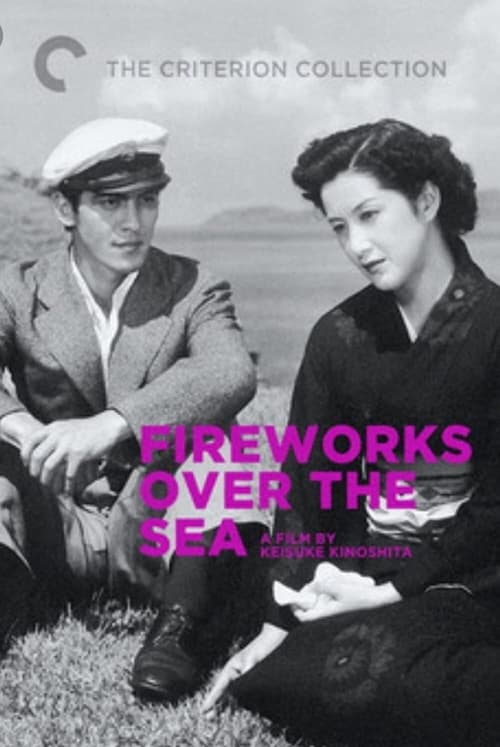
Representation Score
Limited
1951
Director
Keisuke Kinoshita
Runtime
122 minutes
Average Rating
No ratings yetNew Showbiz Analysis
Kinoshita’s drama serves as a social realist critique of systemic corruption rather than an exploration of identity politics. The film highlights the ability to act of the working class against exploitative leadership. However, it is constrained by a traditional patriarchal structure and a lack of diverse identity representation. The focus remains on the economic and moral conflicts within the fishing union.
Category Breakdown
The film does not include any non-straight or non-cisgender identities or narratives. The story is set in a traditional 1951 Japanese context.
The male protagonists, particularly the two brothers, drive the plot. Women play supporting roles but do not have central ability to act.
The cast is ethnically uniform, representing a specific Japanese working-class setting. It avoids Western-centric norms by focusing on a non-Anglo-Saxon perspective.
The narrative criticizes institutional dishonesty by depicting authority figures as corrupt. It emphasizes the collective struggle of the fishing union over individual capitalist success.
There is no information about the portrayal of physical or neurodivergent disabilities in this work.
Present on Screen
Limited or Absent
Official Synopsis
A fishing union depends on two brothers to make up the losses caused by the dishonest captains they replaced.
1957

1949
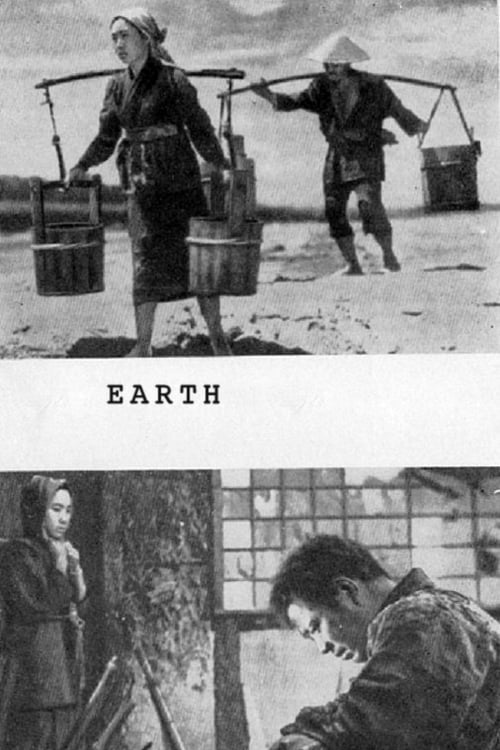
1939
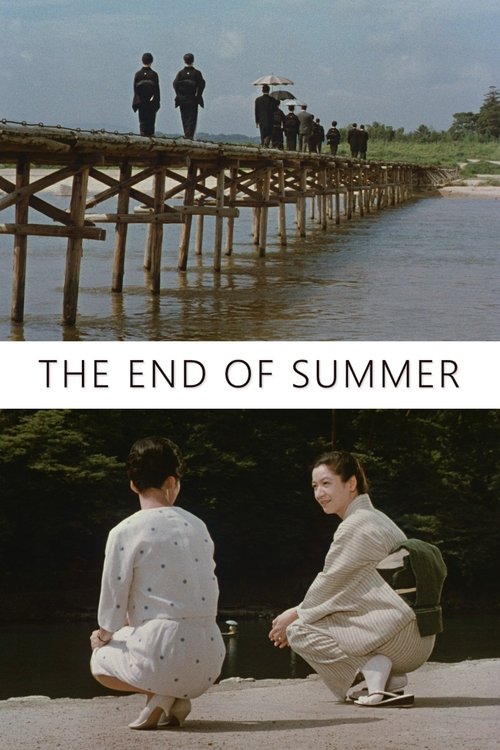
1961
1946

1940

1959
1986
No reviews yet. Be the first to share your thoughts on this movie!
Use the rating form above to leave a star rating and optional review.