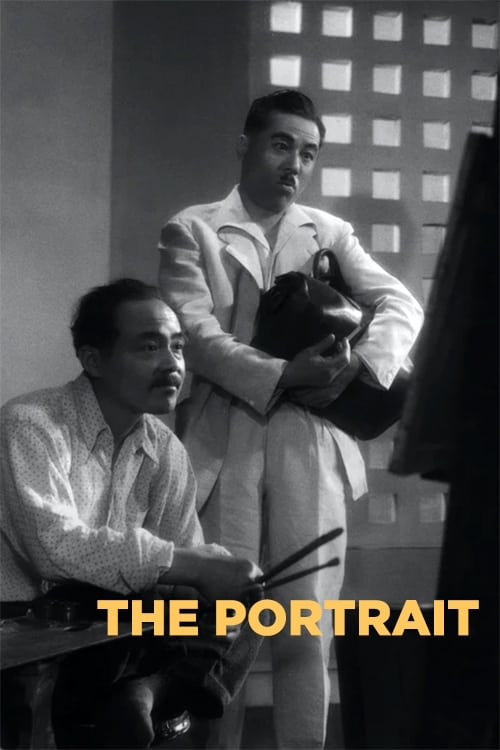
The Portrait
1948
No user ratings available yet
Representation score: 5.3 out of 10
Representation Score
Limited
1951
Director
Keisuke Kinoshita
Runtime
108 minutes
Average Rating
No ratings yetNew Showbiz Analysis
Kinoshita’s drama excels as a nuanced character study that prioritizes psychological depth. By focusing on a woman's survival instincts and ethical choices, the film challenges the cliché of female characters as mere supporting figures to male-driven plots. Although the film lacks diversity in terms of race or LGBTQ+ identities, it provides a sophisticated critique of post-war Japanese social structures. The narrative dismantles absolute morality, suggesting that systemic economic pressures shape individual actions. Ultimately, the film’s strength lies in its use of personal ability to act to question the stability of traditional institutions and social morality.
Category Breakdown
The film does not include any LGBTQ+ characters or narratives. It focuses solely on the domestic and professional social structures of the time.
The story centers around a female protagonist's struggles and decisions, which challenge traditional gender roles by making her ethical dilemmas the main driver of the plot.
The cast is ethnically uniform, reflecting the post-war Japanese setting. It emphasizes cultural authenticity over diverse ethnic representation.
The film uses moral relativism to critique economic hardships, framing theft as a complex response to societal pressures rather than a simple good-versus-evil dichotomy.
There is no depiction of physical, sensory, or neurodivergent disabilities within the film's narrative.
Present on Screen
Limited or Absent
Official Synopsis
The wife of an elite government official left her husband, and a young journalist is sent to investigate the case. But his boss has a hidden agenda.
1948
1950
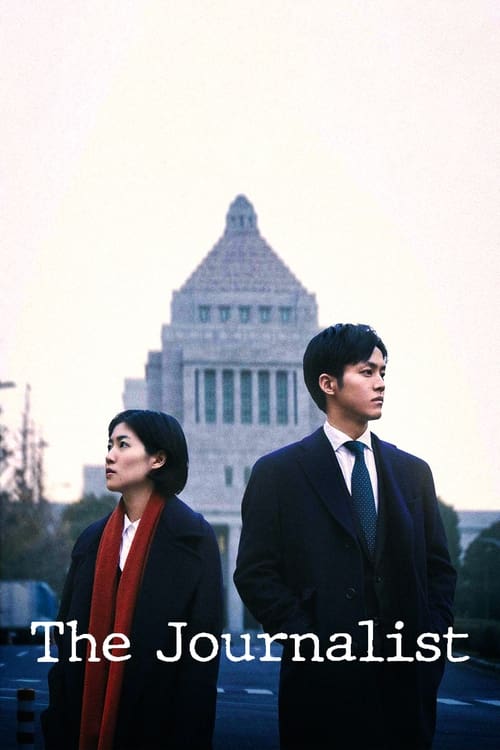
2019
1961

1959
1948
1951
1954
No reviews yet. Be the first to share your thoughts on this movie!
Use the rating form above to leave a star rating and optional review.