The Farm in the Small Marsh
1976
No user ratings available yet
Representation score: 3.2 out of 10
Representation Score
Fair
1978
Director
Branko Bauer
Runtime
116 minutes
Average Rating
No ratings yetNew Showbiz Analysis
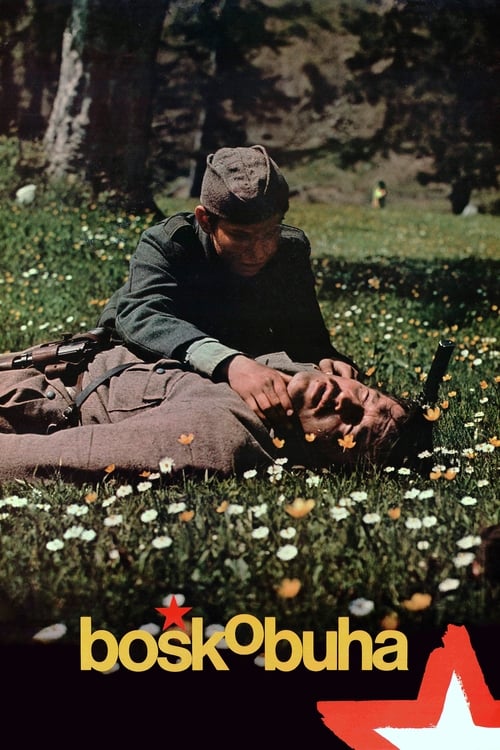
Boško Buha is a culturally specific work that challenges Western cinematic norms through its focus on the Partisan movement. It uses folkloric motifs and the trickster archetype to highlight struggles against systemic oppression. Though the film lacks modern representations of LGBTQ+ identities or significant women's ability to drive the story, it excels in cultural representation. It emphasizes communal resistance and the subversion of authority over individualistic ideals. The narrative successfully presents a non-Anglo-Saxon identity rooted in a regional, localized social fabric that challenges traditional power structures.
Category Breakdown
The film does not include any LGBTQ+ characters or non-straight identities. It follows the traditional social structures of the mid-20th-century Balkan setting.
The story focuses mainly on male protagonists and masculine combat experiences. There is a noticeable absence of significant female roles or challenges to gender hierarchies.
The film portrays a culturally specific Balkan identity rather than Western norms. Characters are shown as part of a cohesive, localized ethnic community.
The story highlights communal resistance and the victory of the underdog. It rejects formal military hierarchies in favor of youthful ingenuity and anti-establishment themes.
The film does not explicitly focus on neurodivergence or physical disabilities. However, it touches on the physical risks faced by young people in a war zone.
Present on Screen
Limited or Absent
Official Synopsis
The movie is based on the true story about a group of children, barely teenagers, who joined Yugoslav Partizans after losing their families in WW2. At first, Partizans want to get rid of them, but later they are joining combat ranks. Among them, Bosko Buha would become a legend because of his skill in destroying enemy bunkers.
1976
1962

1970

2014
1960

2020
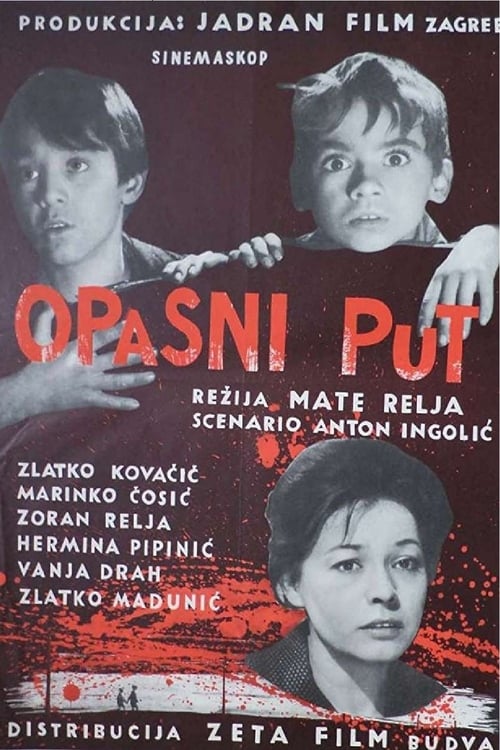
1963

2015
No reviews yet. Be the first to share your thoughts on this movie!
Use the rating form above to leave a star rating and optional review.