The Accompanist
1992
No user ratings available yet
Representation score: 4.0 out of 10
Representation Score
Good
1983
PGDirector
Diane Kurys
Runtime
111 minutes
Average Rating
No ratings yetNew Showbiz Analysis
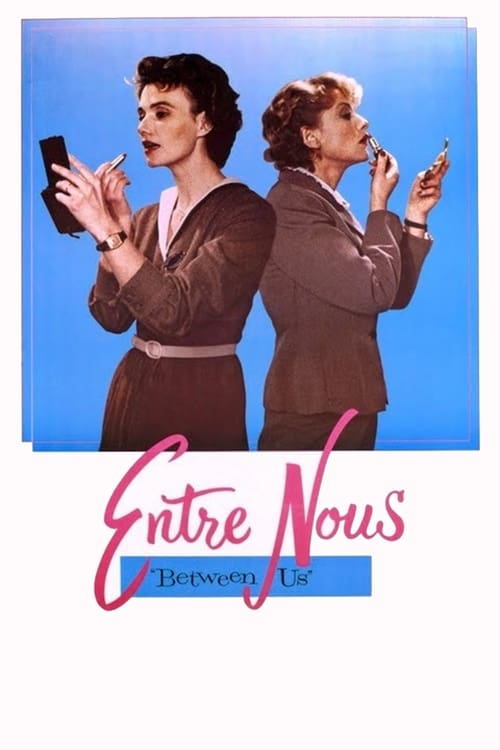
Entre Nous is a character-driven study that shifts the cinematic lens away from patriarchal structures to focus on female interiority. By centering the lived experiences of women navigating wartime trauma and post-war domesticity, it disrupts conventional historical drama clichés. The film's strength lies in its subversion of gender hierarchies, granting its female leads psychological autonomy. However, it remains limited by a lack of LGBTQ+ visibility and a lack of disability representation. While the social circle is largely homogeneous, the inclusion of a Jewish refugee adds essential ethnic depth. This nuance elevates the film above standard period dramas through its sophisticated handling of identity and social change.
Category Breakdown
The film operates within an assumption that everyone is straight or cisgender. Lena and Madeleine share a deep emotional bond, but it is portrayed as a profound friendship rather than an explicitly queer relationship.
The narrative emphasizes the active role of women in driving the story. It challenges the cliché of women as passive figures by positioning them as the main drivers of the film's emotional momentum.
A Jewish refugee character adds a critical layer of ethnic identity, highlighting the importance of this identity in the character's survival during wartime.
The film avoids idealized family depictions. It portrays marriage and parenthood as complex roles that often strain social and institutional norms.
There is no significant depiction of physical or neurodivergent disabilities. The story focuses on psychological resilience rather than the representation of visible or invisible disabilities.
Present on Screen
Limited or Absent
Official Synopsis
In 1942 in occupied France, a Jewish refugee marries a soldier to escape deportation to Germany. Meanwhile a wealthy art student loses her first husband to a stray Resistance bullet; at the Liberation she meets an actor, gets pregnant, and marries him. Lena and Madeleine meet at their children's school in Lyon in 1952 and the intensity of their relationship strains both their marriages to the breaking point.
1992
1974

1984

1960
1997

2015

1959

2003
No reviews yet. Be the first to share your thoughts on this movie!
Use the rating form above to leave a star rating and optional review.