Tarzan the Magnificent
1960
No user ratings available yet
Diversity score: 1.9 out of 10
1966
Director
Robert Day
Runtime
90 minutes
Average Rating
No ratings yetSynopsis
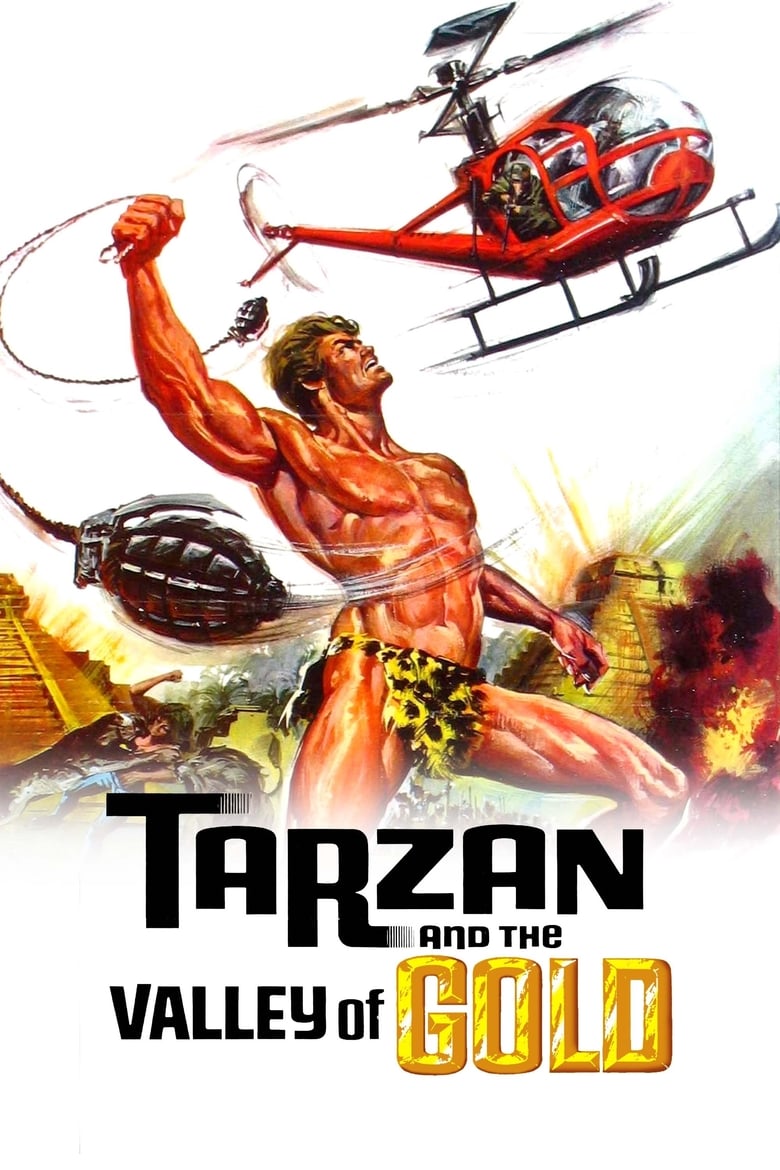
In Central America, a little native boy, Ramel, is abducted by Vinaro, a madman who believes the child to be the sole link to a lost Aztec city of gold. Vinaro uses one of his diabolical explosive mechanisms to eliminate police and army officials; and the legendary Tarzan is flown in to help locate the jungle city, rescue the boy, and bring Vinaro to justice.
Overall Score
Minimal
Category Breakdown
LGBTQ+ Representation
The film contains no discernible LGBTQ+ characters or explorations of non-heteronormative identities. It operates within a strictly traditional framework of romantic and social dynamics.
Gender Representation
Jane functions primarily in a supportive capacity to the male protagonist. The film reinforces traditional gender hierarchies where female agency remains secondary to the central hero's journey.
Racial & Ethnic Diversity
The narrative relies on a predominantly white lead cast. While indigenous characters like Ramel appear, they function as plot catalysts rather than autonomous agents with complex depth.
Religious & Cultural Diversity
The story follows a standard adventure trope driven by the pursuit of gold. It lacks critique of Western institutions, instead utilizing a clear moral binary between hero and antagonist.
Disability Representation
There are no prominent depictions of physical or neurodivergent disabilities. Characters with potential impairments are not utilized as central narrative elements or part of the ensemble.
Strengths
Areas for Improvement
AI Analysis
Tarzan and the Valley of Gold is a quintessential mid-1960s adventure film that adheres strictly to the genre conventions of its era. The narrative prioritizes a Western-centric hero and traditional social hierarchies, offering little in the way of character complexity or social subversion. The film relies heavily on established tropes, such as the colonial adventure and the pursuit of material wealth. These elements frame the indigenous populations and the landscape as mere backdrops for the protagonist's journey rather than as subjects with their own agency. Ultimately, the production lacks intentionality regarding intersectional representation. It functions as a standard hero narrative that upholds the status quo of its time rather than challenging it.
1960
1963
1927
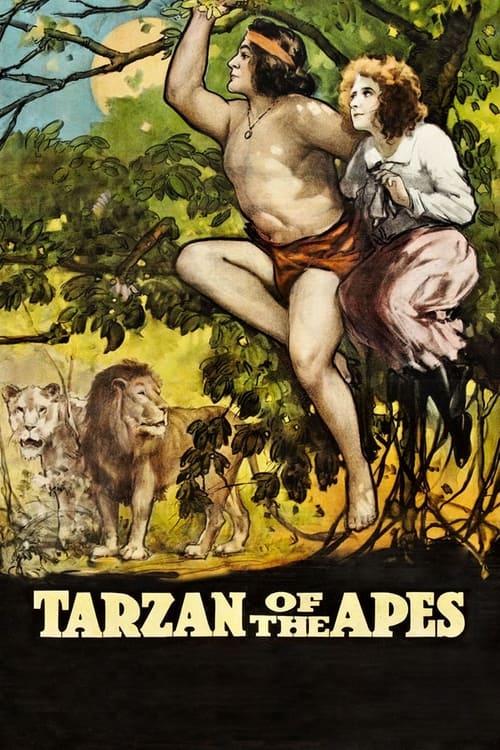
1918
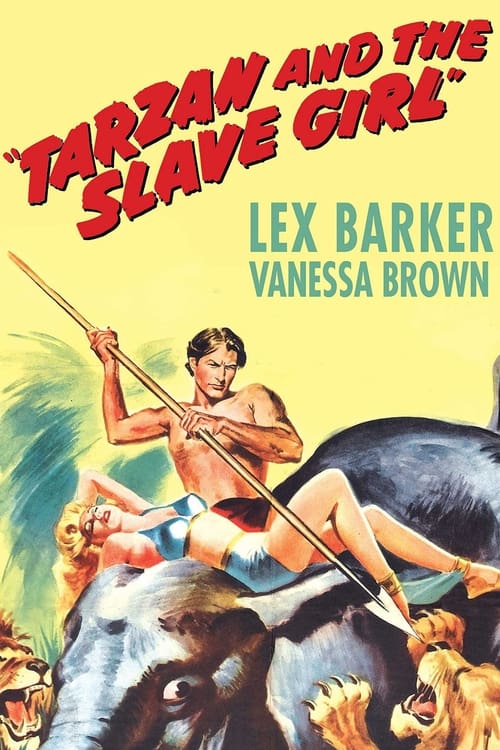
1950
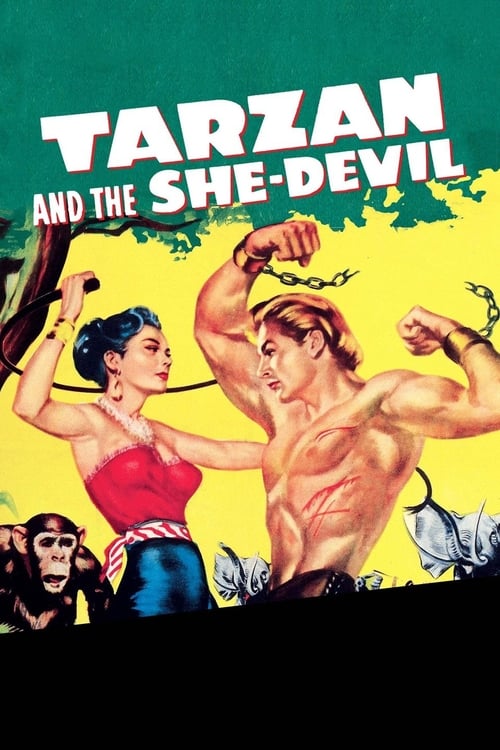
1953
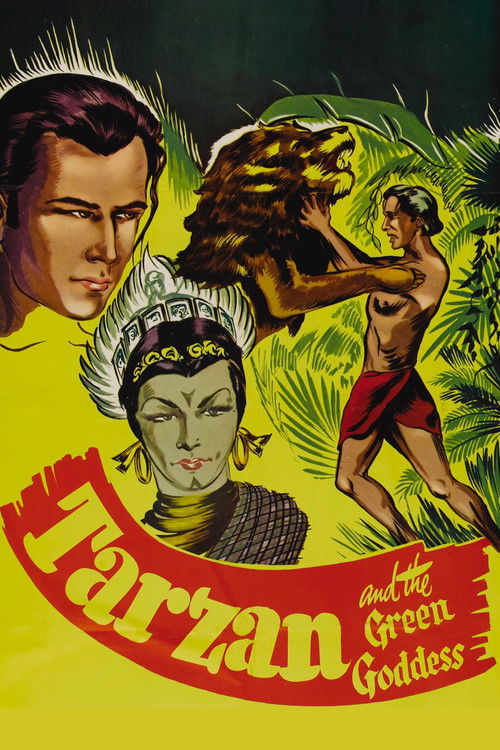
1938
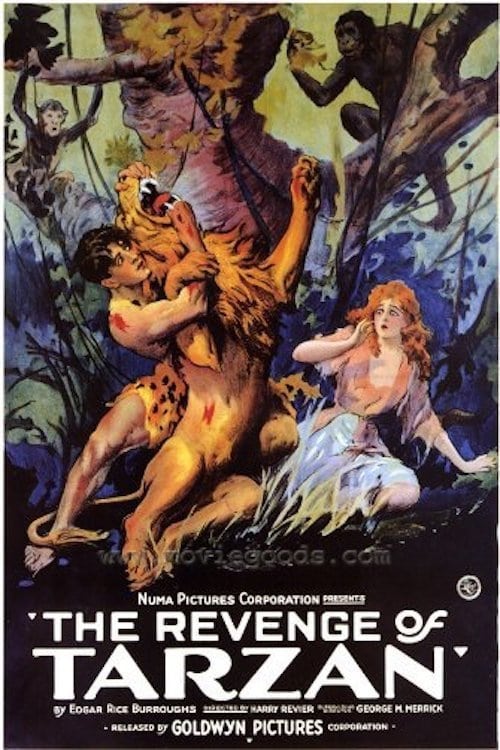
1920
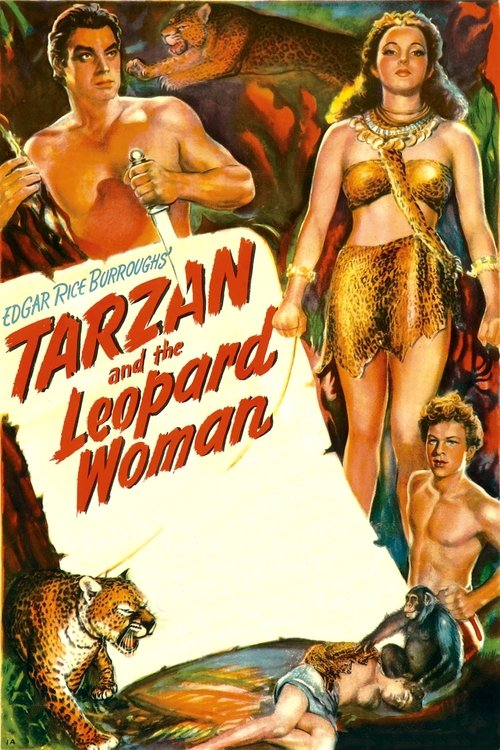
1946
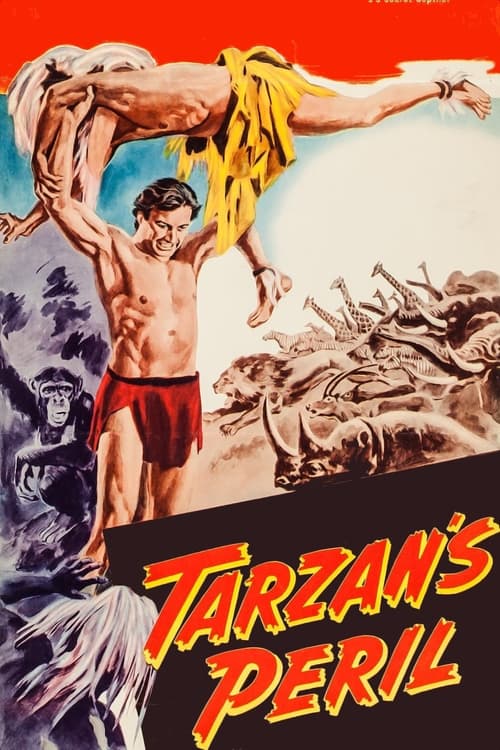
1951
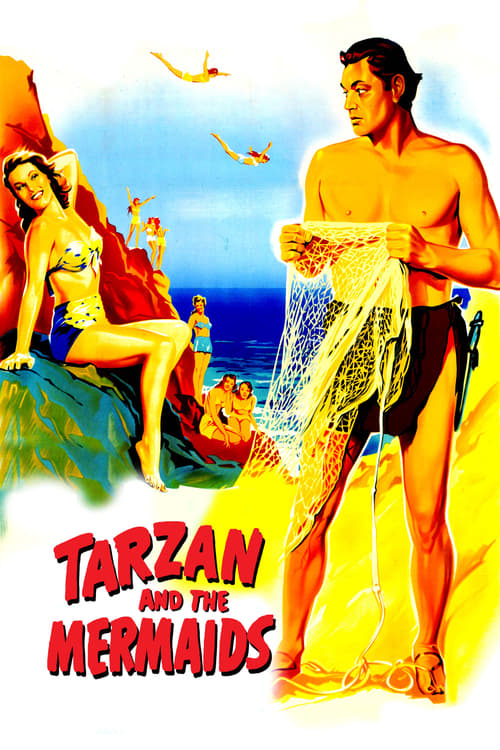
1948
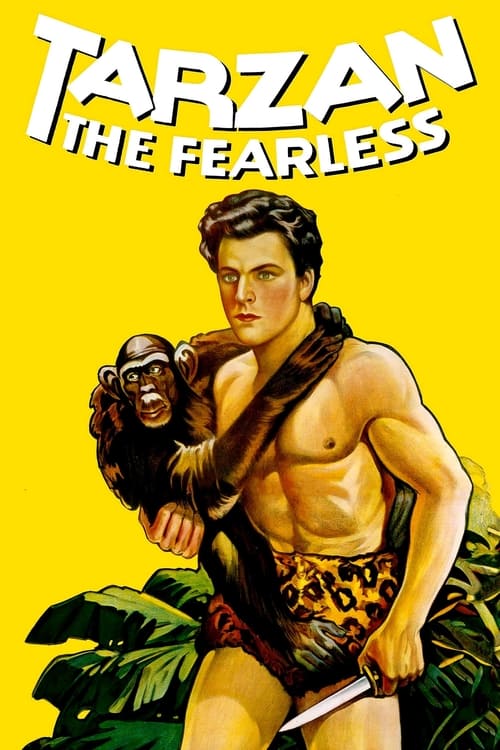
1933
No reviews yet. Be the first to share your thoughts on this movie!
Use the rating form above to leave a star rating and optional review.