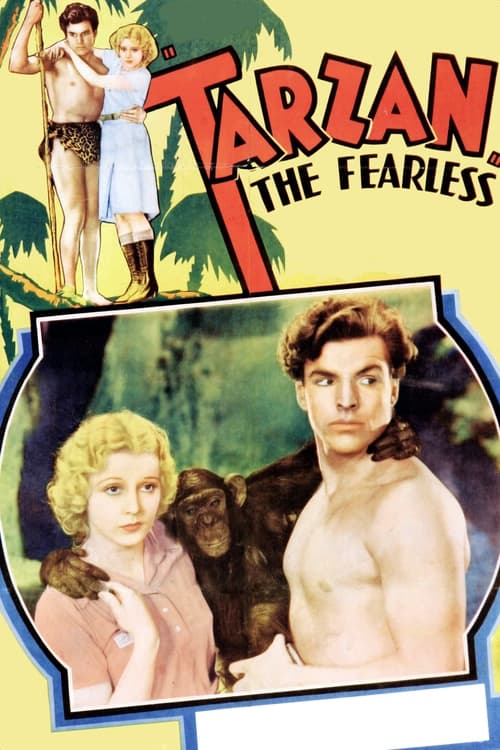
Tarzan the Fearless
1964
No user ratings available yet
Diversity score: 1.9 out of 10
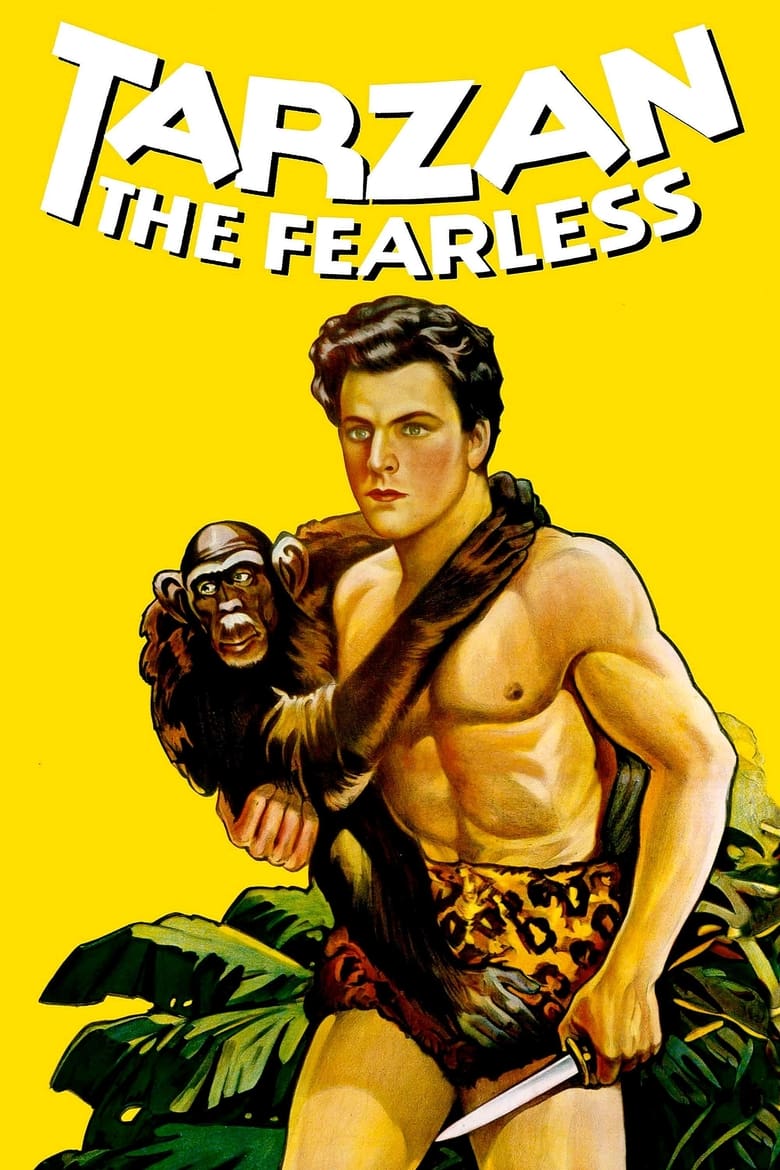
1933
Director
Robert F. Hill
Runtime
86 minutes
Average Rating
No ratings yetSynopsis
Mary Brooks' father, who has been studying ancient tribes, falls into the hands of "the people of Zar, god of the Emerald Fingers." Tarzan helps Mary locate her father, rescues everyone from the High Priest of Zar, and takes Mary to his cave.
Overall Score
Minimal
Category Breakdown
LGBTQ+ Representation
The film lacks any LGBTQ+ characters or non-cisnormative identities. The romantic plot follows a strictly conventional, heteronormative structure between the leads.
Gender Representation
Mary Brooks is cast in the traditional 'damsel in distress' role, possessing limited agency. The plot relies on the male lead's physical dominance and leadership.
Racial & Ethnic Diversity
The story centers on a white savior trope within an African setting. Indigenous groups function as narrative obstacles rather than characters with independent depth or agency.
Religious & Cultural Diversity
The narrative promotes a Western moral framework, pitting 'civilized' protagonists against 'mystical' indigenous elements. It reinforces the era's standard adventure morality and colonialist perspectives.
Disability Representation
There are no depictions of characters with visible or invisible disabilities. The film does not engage with neurodivergence or physical impairments.
Strengths
Areas for Improvement
AI Analysis
Tarzan the Fearless is a quintessential colonialist adventure that reinforces early 20th-century social hierarchies. The film relies heavily on the white savior trope, centering Western characters as the primary drivers of action within a non-Western landscape. Gender roles are strictly traditional, positioning the female lead as a character in need of rescue. This reinforces a patriarchal structure where physical dominance defines the hero. Ultimately, the film lacks intersectional representation. It functions as a standard rescue narrative that upholds the status quo of its era rather than challenging existing power dynamics.
1964
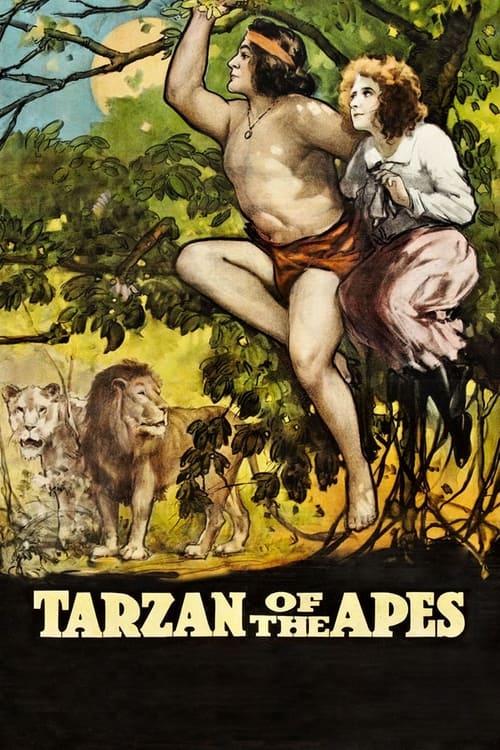
1918
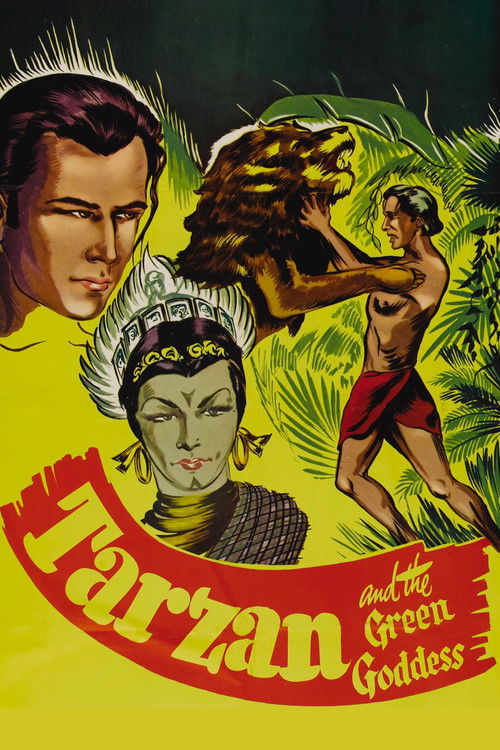
1938
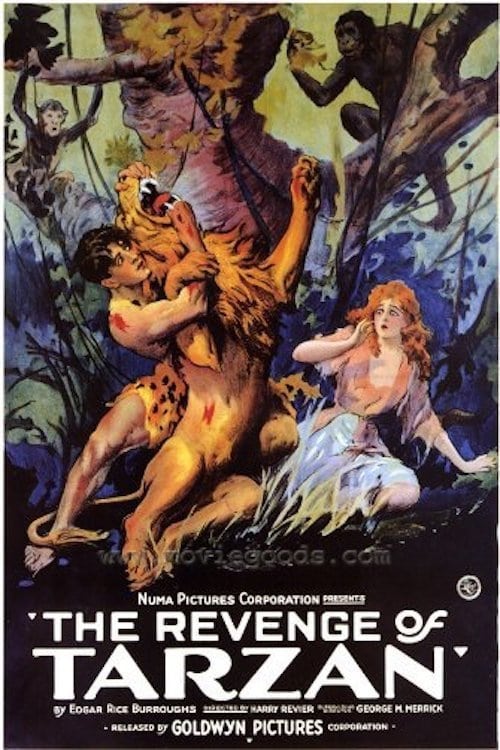
1920
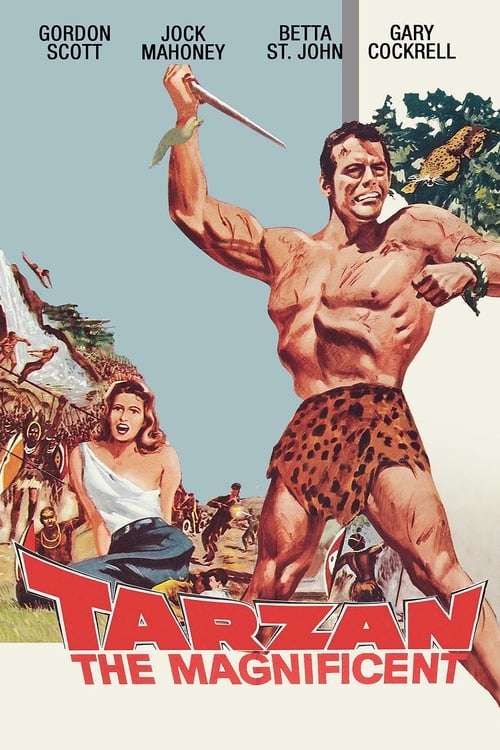
1960
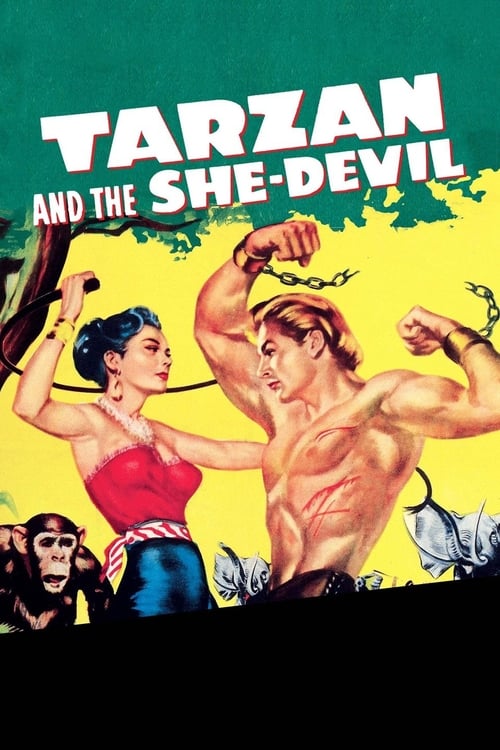
1953
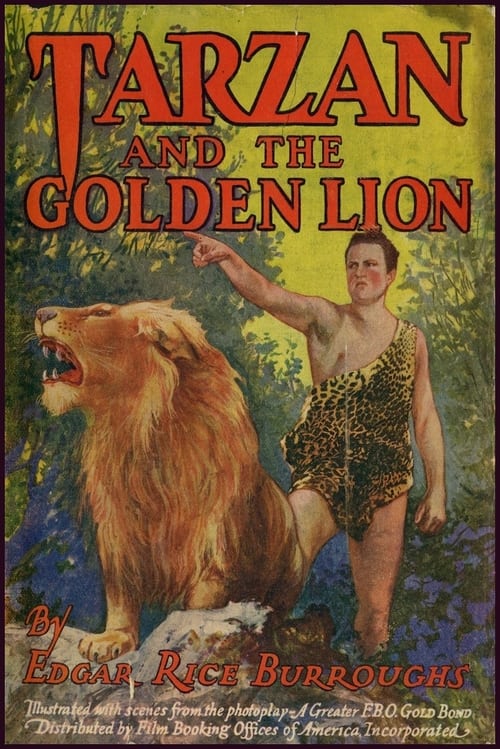
1927
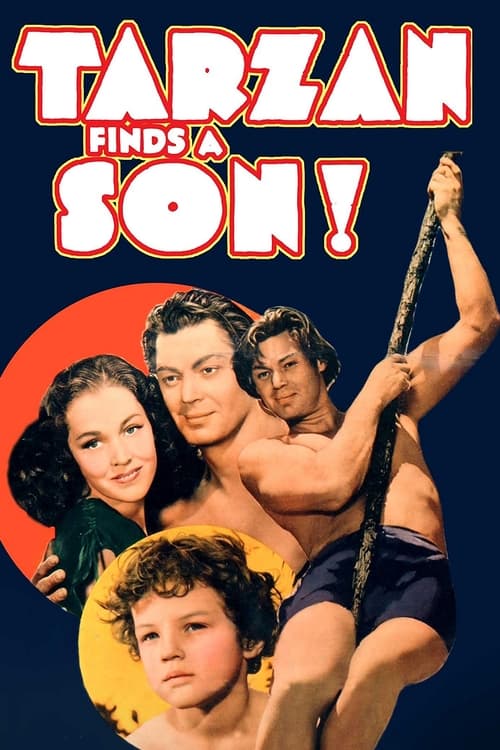
1939
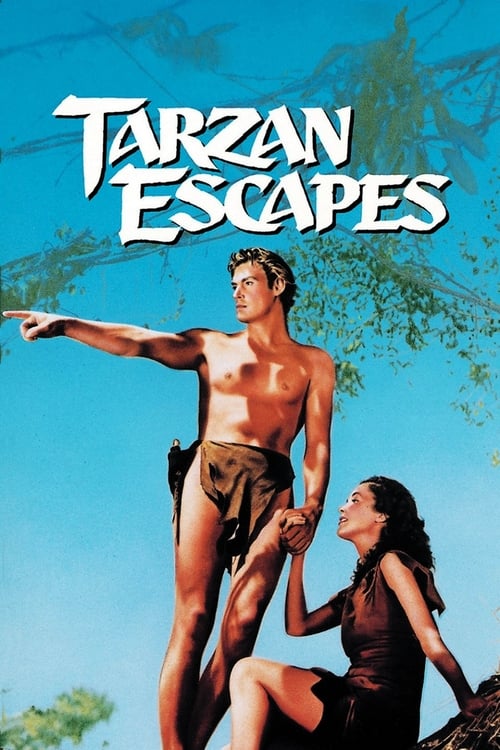
1936
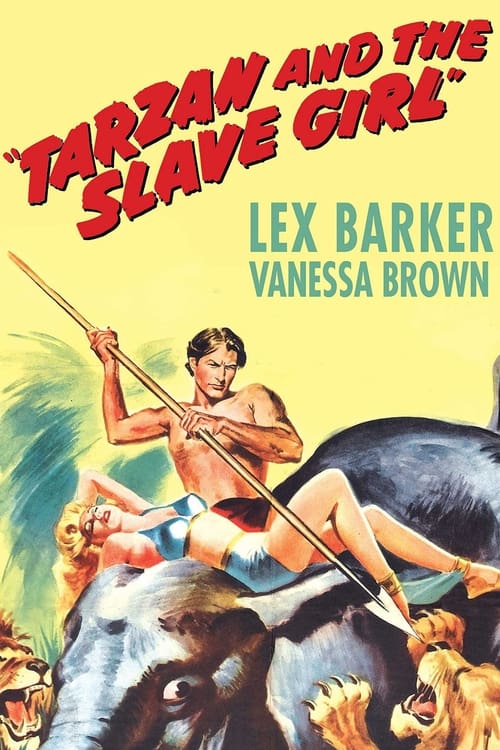
1950
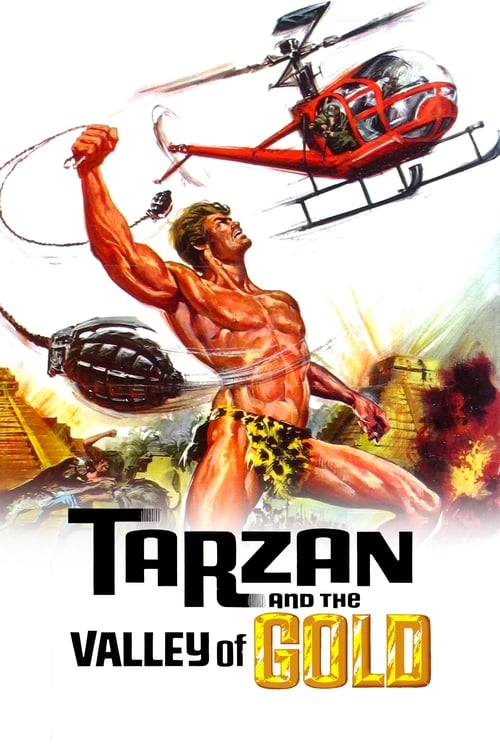
1966
1951
No reviews yet. Be the first to share your thoughts on this movie!
Use the rating form above to leave a star rating and optional review.