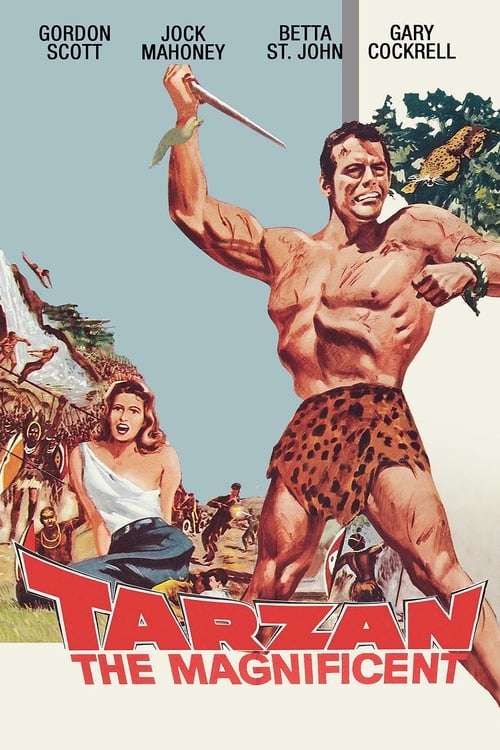
Tarzan the Magnificent
1960
No user ratings available yet
Representation score: 0.6 out of 10
Representation Score
Minimal
1963
NRDirector
Robert Day
Runtime
100 minutes
Average Rating
No ratings yetNew Showbiz Analysis
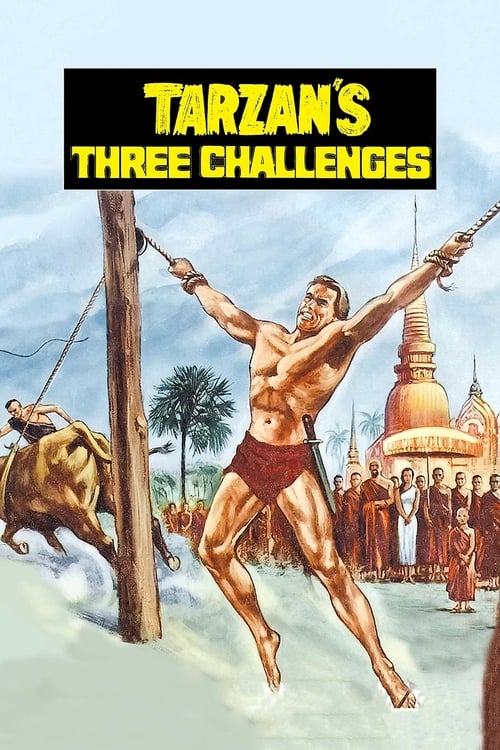
Tarzan's Three Challenges adheres to mid-century genre conventions, focusing on traditional hero archetypes and linear moral structures. This limits the depth of its social perspective. The film reinforces established hierarchies, particularly regarding gender and race. By centering the story on a white protagonist and relegating others to ornamental or supportive roles, it avoids exploring complex identities or systemic issues. Ultimately, the work relies on colonial-era storytelling patterns. It lacks intentionality regarding diverse representation, resulting in a narrow view of heroism and social order.
Category Breakdown
The film does not include any representation of LGBTQ+ identities or queer-coded subtext. The romantic focus is strictly between the male protagonist and his female counterpart.
The narrative focuses almost entirely on the male protagonist, who drives the story. The female lead serves mainly as a romantic interest rather than an independent character.
The film portrays ethnic diversity through a colonial-era lens. Indigenous populations are shown as part of an exotic landscape rather than as complex individuals with their own stories.
The film follows a traditional Western adventure framework. It frames conflicts through standard hero versus greed binaries without critiquing religion or Western institutions.
There is no representation of physical or neurodivergent disabilities. Characters are defined solely by their physical abilities and vitality.
Present on Screen
Limited or Absent
Official Synopsis
The spiritual leader of an oriental country is dying. The leader's evil brother Khan is plotting to prevent Kashi, the youthful heir, from assuming his rightful position. Tarzan is summoned to protect Kashi and, in doing so, he must face Khan in three tests of strength.
1960
1939
1966
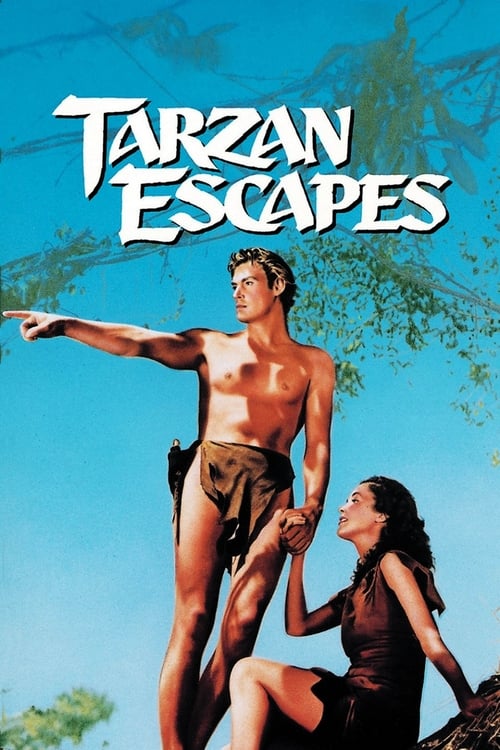
1936
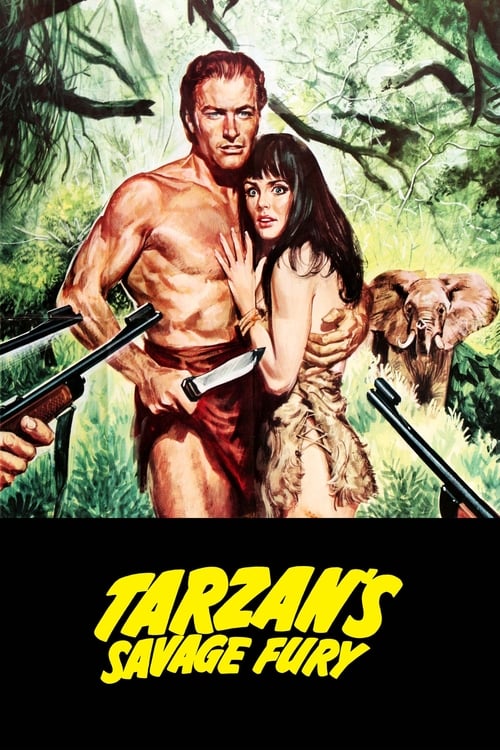
1952

1966
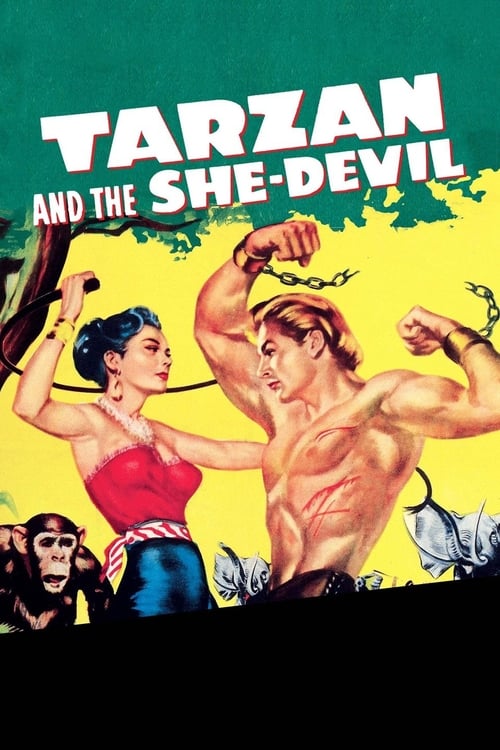
1953

1978
No reviews yet. Be the first to share your thoughts on this movie!
Use the rating form above to leave a star rating and optional review.