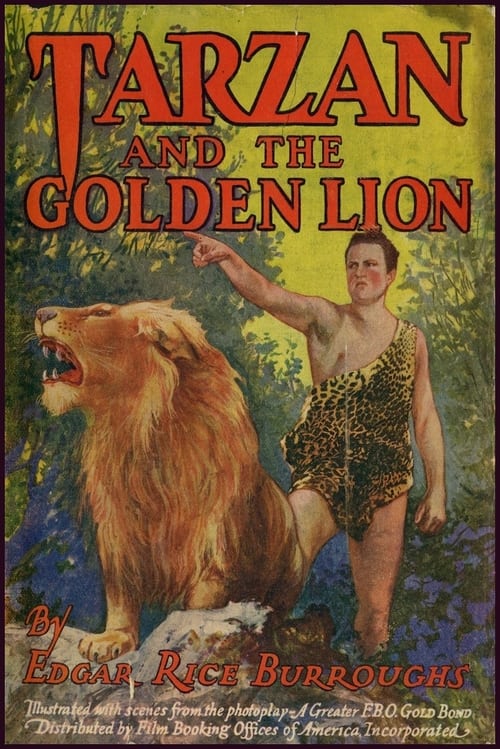
Tarzan and the Golden Lion
1927
No user ratings available yet
Diversity score: 1.4 out of 10
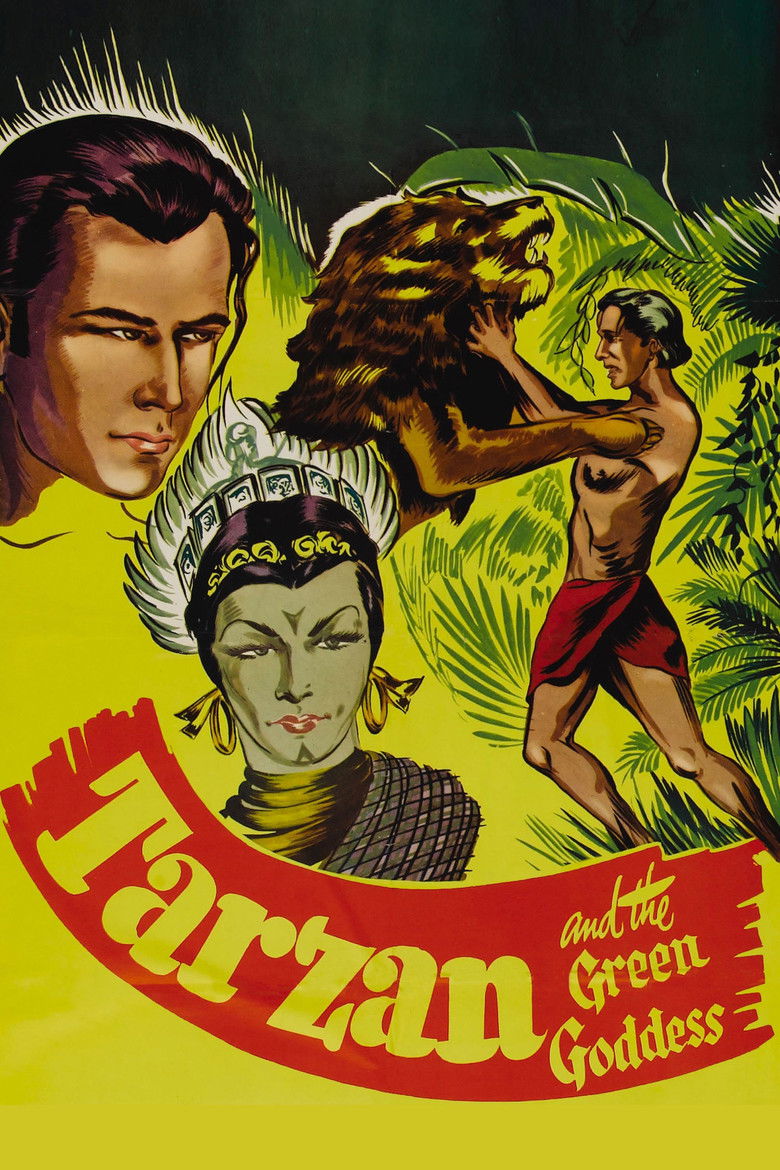
1938
NRDirector
Edward A. Kull, Wilbur McGaugh
Runtime
72 minutes
Average Rating
No ratings yetSynopsis
Tarzan retells the story of a trip to Guatemala in which the ape-man had gone to aid a friend in searching for a very valuable totem pole called the Green Goddess. Second of two feature versions of the 1935 serial film "The New Adventures Of Tarzan", culled from the serial's last 10 episodes.
Overall Score
Minimal
Category Breakdown
LGBTQ+ Representation
The film lacks any presence of non-cisnormative or non-heteronormative identities. It adheres strictly to the romantic tropes of the 1930s without engaging in same-sex intimacy.
Gender Representation
Gender roles follow traditional hierarchies, with the female lead serving primarily as a damsel in distress. Masculinity is defined through the physical dominance of the hero.
Racial & Ethnic Diversity
The cast is predominantly white, reflecting colonial-era perspectives. The narrative centers Western protagonists, offering little agency or nuance to the indigenous populations within the jungle setting.
Religious & Cultural Diversity
The story upholds Western adventure values and traditional moral structures. It lacks any engagement with secular, anti-capitalist, or morally relativistic themes.
Disability Representation
There is no integration of visible or invisible disabilities into the character arcs. No characters with disabilities appear as plot devices or subjects of mockery.
Strengths
Areas for Improvement
AI Analysis
Tarzan and the Green Goddess functions as a standard 1938 adventure serial that reinforces the social and cinematic norms of its era. The film prioritizes escapism and established genre archetypes over any meaningful exploration of intersectional identities. The narrative architecture maintains traditional power dynamics, centering Western heroism while relegating female and indigenous characters to secondary or reactive roles. It serves as a reinforcement of the period's established social hierarchies rather than a challenge to them.
1927
1933
1918
1950
1966
1953
1946
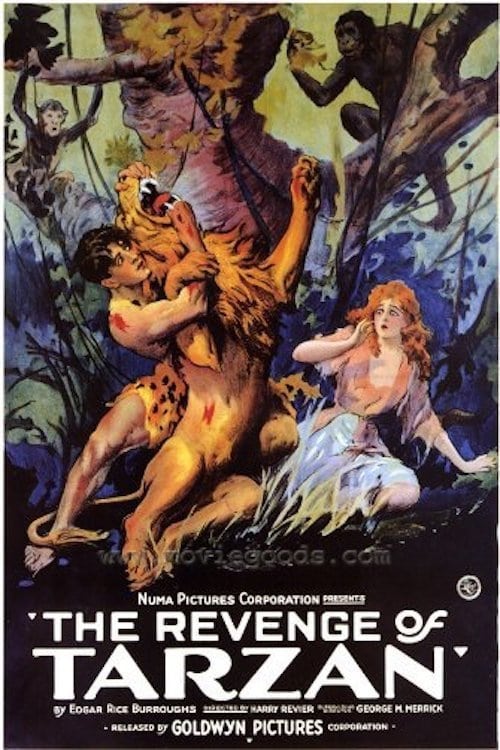
1920
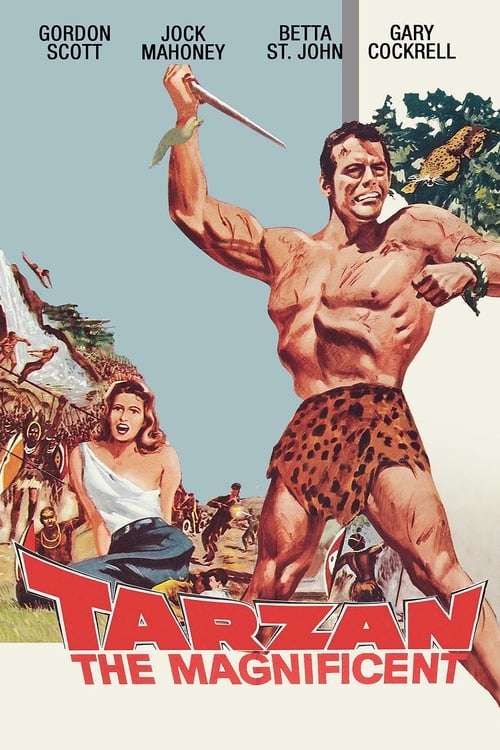
1960
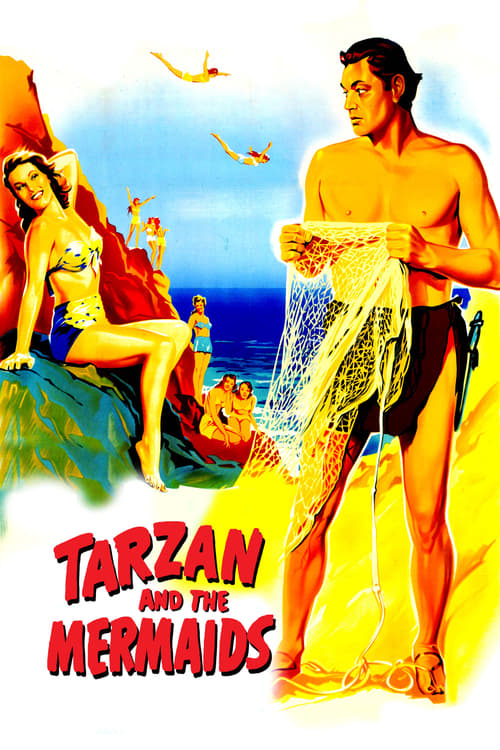
1948
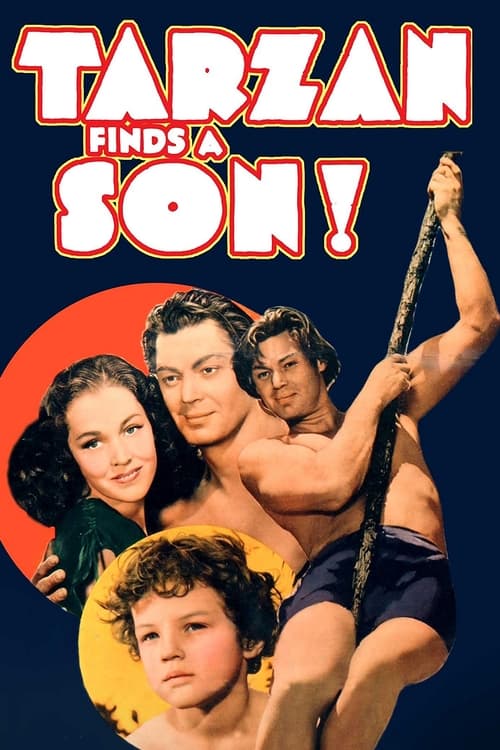
1939
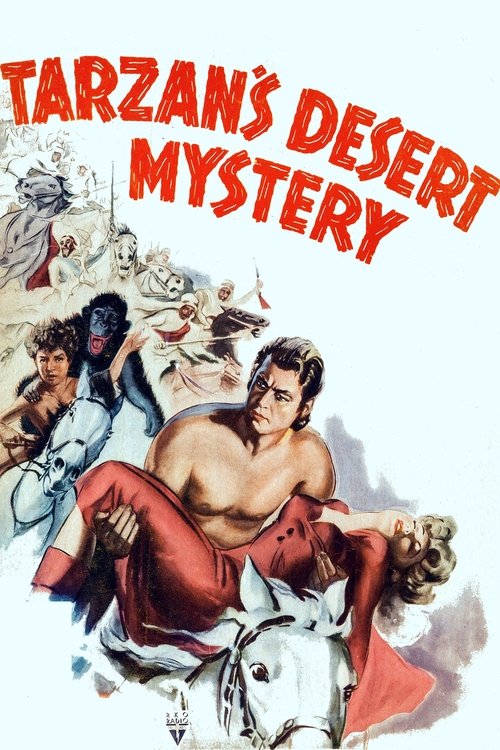
1943
No reviews yet. Be the first to share your thoughts on this movie!
Use the rating form above to leave a star rating and optional review.