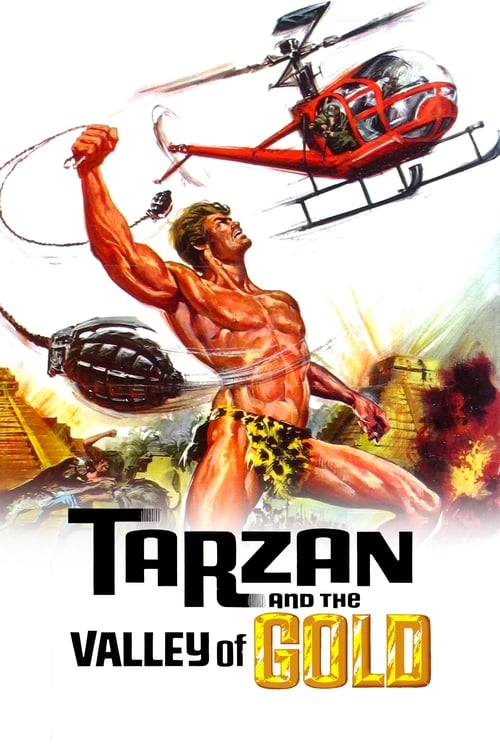
Tarzan and the Valley of Gold
1966
No user ratings available yet
Diversity score: 1.9 out of 10
1950
NRDirector
Lee Sholem
Runtime
74 minutes
Average Rating
No ratings yetSynopsis
The Lionians, a tribe of lion worshippers, make a desperate attempt to find a cure for the mysterious disease plaguing their village. Their Chief decides to kidnap Jane and Lola, a half-breed nurse, in order to help repopulate his civilization. Tarzan must rescue them while fending off blowgun attacks from people called the Waddies who are disguised as bushes.
Overall Score
Minimal
Category Breakdown
LGBTQ+ Representation
The film lacks any presence of queer subtext or non-heteronormative identities. It operates within a strictly traditional framework of romantic and social dynamics.
Gender Representation
Female characters Jane and Lola function primarily as passive subjects requiring rescue. Agency is concentrated in Tarzan, reinforcing mid-century hierarchies and traditional masculine leadership.
Racial & Ethnic Diversity
Indigenous tribes are positioned as obstacles or secondary figures to the white protagonist. The use of racialized descriptors for characters reflects a preoccupation with categorization common to the era.
Religious & Cultural Diversity
The narrative follows a binary morality typical of pulp adventure. It lacks any critique of colonialist structures or deconstruction of Western-centric viewpoints.
Disability Representation
There are no characters with visible or invisible disabilities. The film does not engage with neurodivergence or chronic illness.
Strengths
Areas for Improvement
AI Analysis
This 1950 adventure film relies heavily on established tropes that reinforce traditional social hierarchies. The narrative structure prioritizes masculine heroism, casting the female leads in passive roles that necessitate rescue. Representation of indigenous groups follows a colonial-era lens, treating local tribes as secondary obstacles rather than nuanced characters. The film maintains a Eurocentric perspective without challenging the status quo. Ultimately, the work functions as a conventional pulp piece. It offers minimal disruption to the social or cultural norms of its time, focusing instead on survival and traditional archetypes.
1966
1953
1927

1938

1948
1918
1960
1951

1933
1946
1949
1963
No reviews yet. Be the first to share your thoughts on this movie!
Use the rating form above to leave a star rating and optional review.