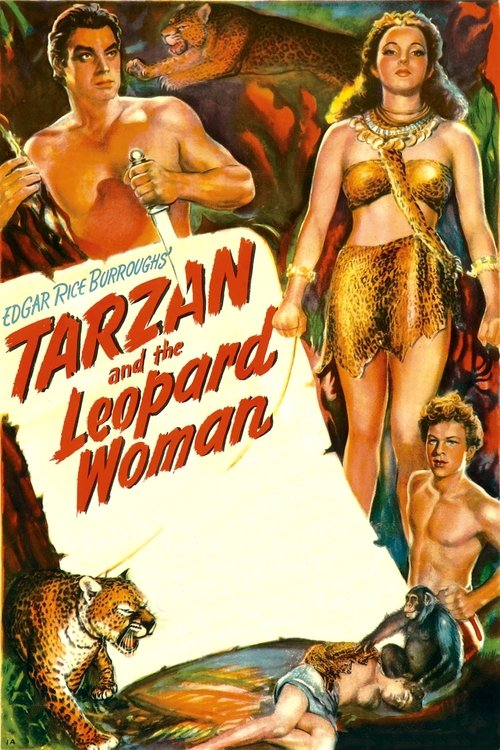
Tarzan and the Leopard Woman
1946
No user ratings available yet
Representation score: 1.0 out of 10
Representation Score
Minimal
1953
PGDirector
Kurt Neumann
Runtime
75 minutes
Average Rating
No ratings yetNew Showbiz Analysis
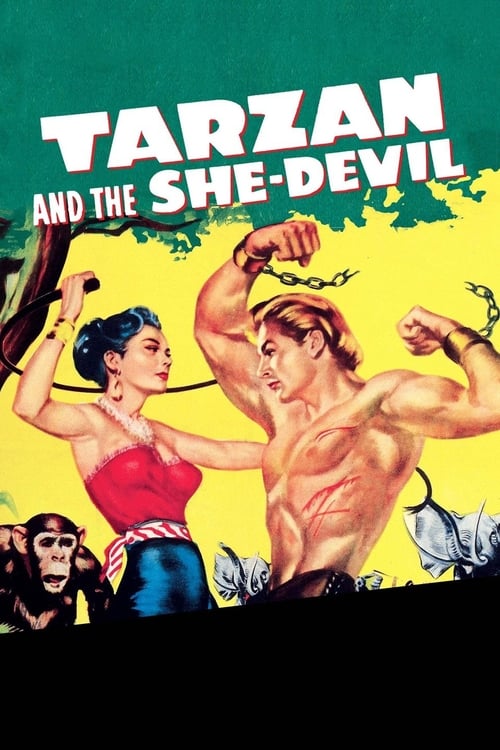
Tarzan and the She-Devil adheres to mid-century studio conventions, reinforcing established hierarchies rather than challenging them. The film relies heavily on colonialist and traditional gender roles, presenting a narrow view of social norms and cultural depth. The narrative structure remains rooted in Western-centric values and straight-centered dynamics, offering little in the way of diverse representation or cultural exploration.
Category Breakdown
The film focuses on traditional romantic relationships and does not include any non-cisgender gender identities or same-sex relationships.
Jane plays a supportive role that reinforces traditional 1950s feminine stereotypes, while the She-Devil antagonist is powerful but framed through villainy rather than subversion.
The film lacks meaningful racial diversity, with a predominantly white cast and a colonialist depiction of the African setting.
The narrative upholds traditional Western moral values and binaries, avoiding engagement with anti-colonial or secular themes.
No visible or invisible disabilities are integrated into the character arcs. The cast is portrayed through a lens of physical perfection typical of the action-adventure genre.
Present on Screen
Limited or Absent
Official Synopsis
The king of the jungle fights off ivory poachers.
1946
1936
1952
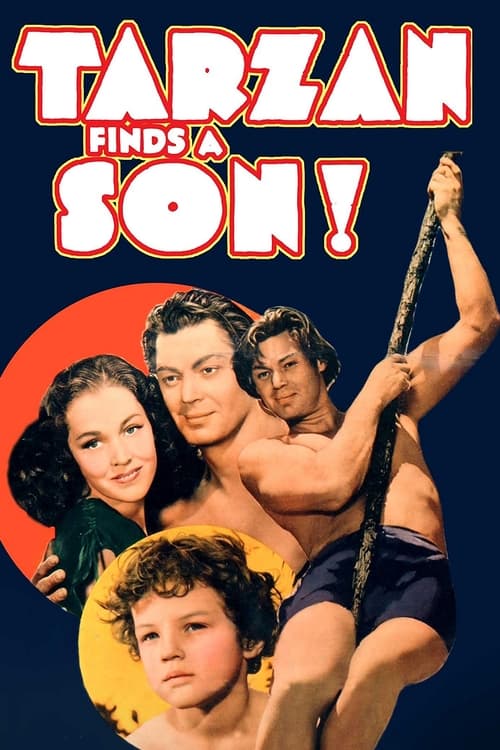
1939
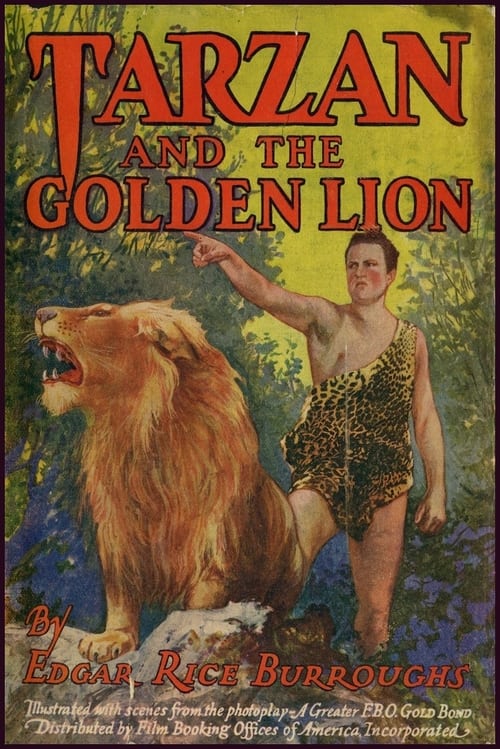
1927
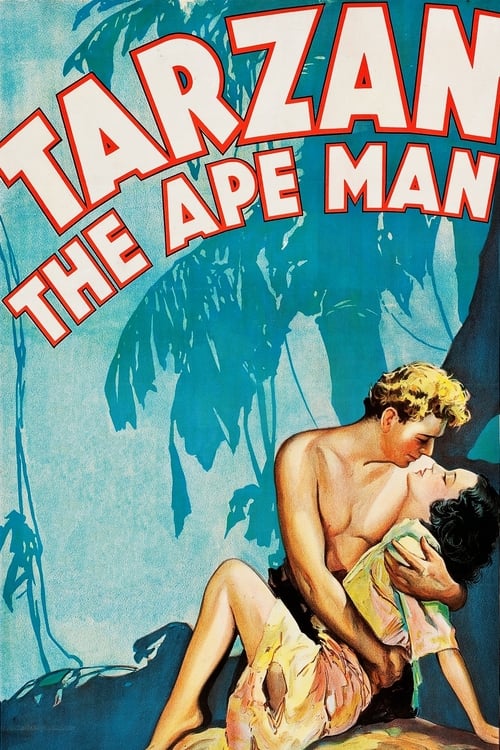
1932
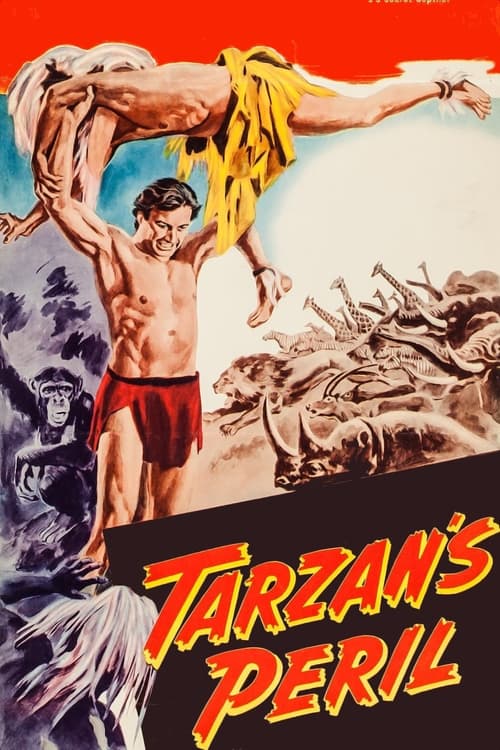
1951
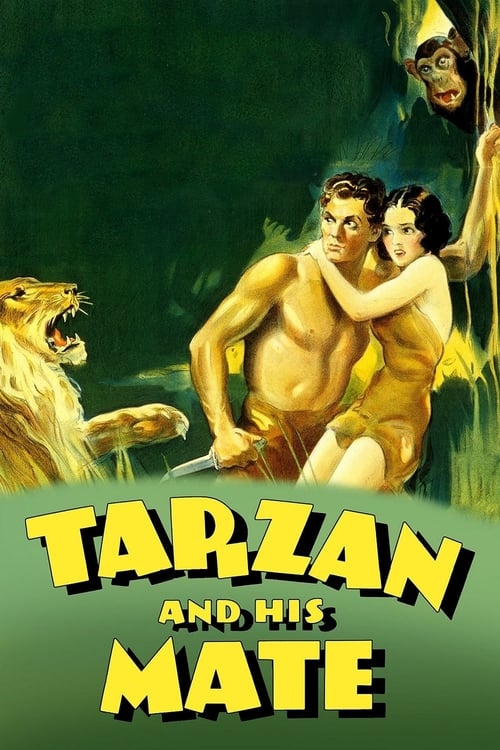
1934
No reviews yet. Be the first to share your thoughts on this movie!
Use the rating form above to leave a star rating and optional review.