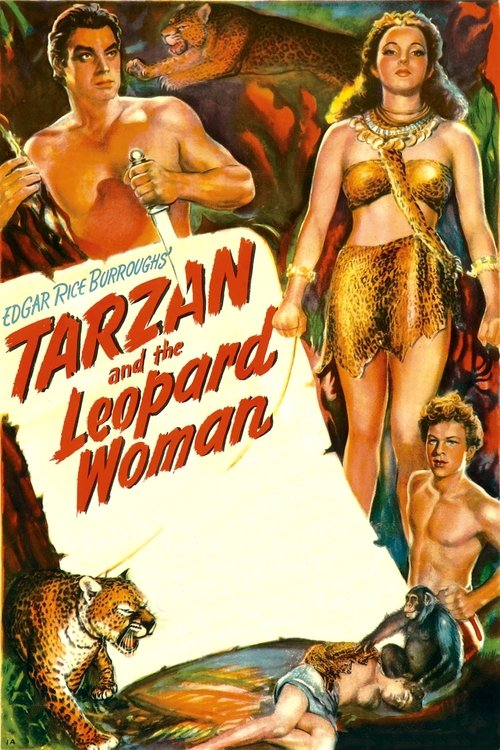
Tarzan and the Leopard Woman
1946
No user ratings available yet
Representation score: 1.0 out of 10
Representation Score
Minimal
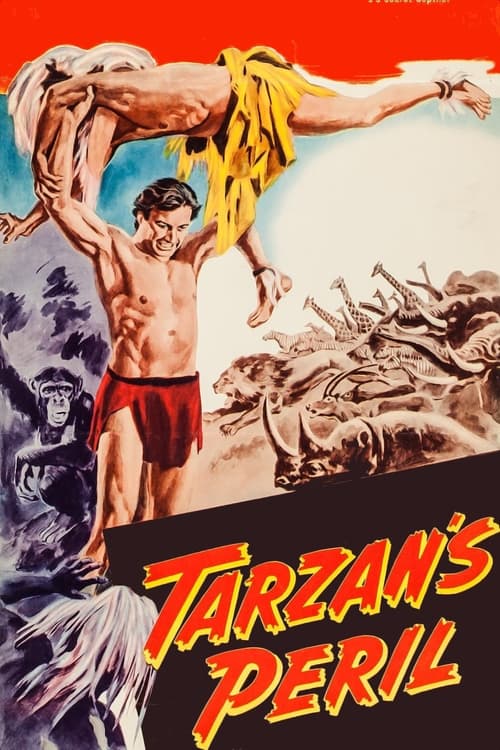
1951
NRDirector
Byron Haskin
Runtime
78 minutes
Average Rating
No ratings yetNew Showbiz Analysis
Tarzan's Peril is a typical mid-century adventure film. It upholds rigid social norms from the 1950s, emphasizing traditional gender roles and racial stereotypes. The film does not challenge these norms, focusing instead on conventional Western heroism. Gender roles are strictly defined, with women often portrayed as vulnerable. Racial dynamics are framed through colonial-era stereotypes, depicting non-Western groups as 'others.' The film lacks depth in cultural representation, focusing solely on Western perspectives.
Category Breakdown
The film does not include any characters with LGBTQ+ identities. The character dynamics follow the conventional romantic and social structures of the early 1950s.
The story emphasizes traditional gender roles from the mid-20th century. Women are often depicted as needing protection or rescue, while the male lead holds most of the power and control.
The main characters are mostly white, reflecting the central cast of the time. Indigenous tribes are portrayed using colonial-era stereotypes, serving as obstacles for Western explorers.
The film focuses on the Western explorer archetype and adheres to traditional adventure clichés. It does not engage with anti-Western sentiments or religious deconstruction, maintaining a narrow perspective.
Characters with visible or invisible disabilities are not featured in the film. The narrative does not explore themes related to neurodivergence or physical disability.
Present on Screen
Limited or Absent
Official Synopsis
Escaped convicts are selling weapons to a warlike native tribe.
1946
1936
1960
1939
1953
1954
1952
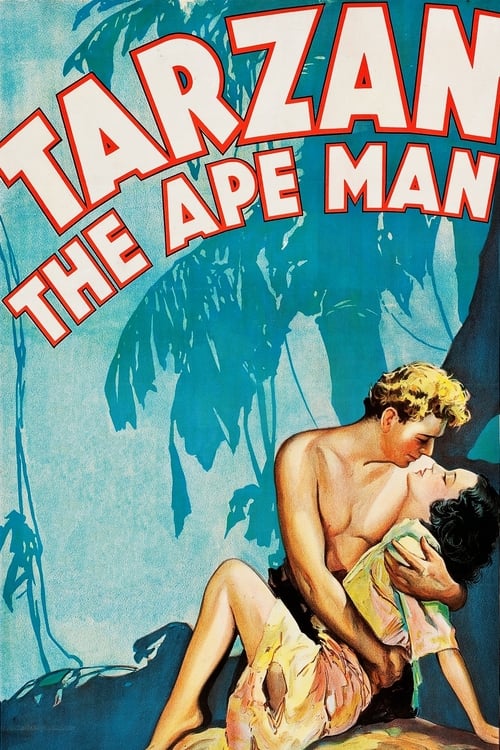
1932
No reviews yet. Be the first to share your thoughts on this movie!
Use the rating form above to leave a star rating and optional review.