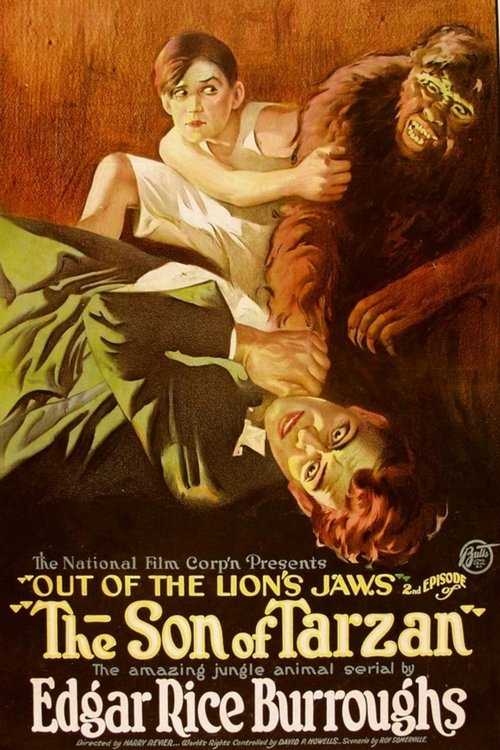
The Son of Tarzan
1920
No user ratings available yet
Representation score: 0.7 out of 10
Representation Score
Minimal
1920
Director
Harry Revier, George M. Merrick
Runtime
90 minutes
Average Rating
No ratings yetNew Showbiz Analysis
The film is a product of its era, reinforcing early 20th-century social hierarchies rather than challenging them. It relies heavily on established adventure-pulp clichés, particularly regarding gender and colonial dynamics. While Jane is a central figure, the narrative structure prioritizes masculine leadership and the protection of the female lead, reinforcing conventional gender roles common to the period's cinema. Additionally, the film leans into the 'white savior' archetype, prioritizing Western ability to act over indigenous populations.
Category Breakdown
The film does not include any characters with LGBTQ+ identities or non-straight relationships.
Jane is the main female lead and motivates Tarzan's actions. However, she often plays a passive role, leaving the narrative ability to act to the male protagonist.
The film reflects colonial-era views, using a 'white savior' cliché in North African and jungle settings. Indigenous characters appear but have less ability to act compared to the Western protagonist.
The narrative upholds Western adventure morals and traditional heroism. It celebrates the triumph of the individual hero within a conventional moral framework.
The film does not portray any characters with visible or invisible disabilities having significant roles or ability to act.
Present on Screen
Limited or Absent
Official Synopsis
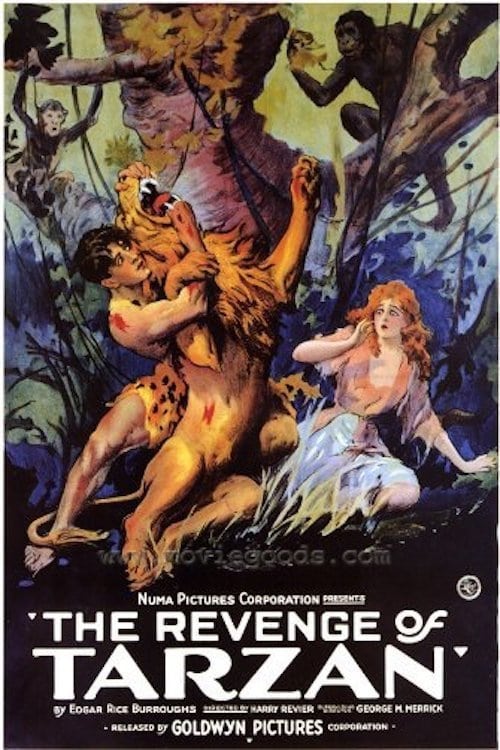
Tarzan and Jane are traveling to Paris to help his old friend Countess de Coude, who is being threatened by her brother, Nikolas Rokoff. Rokoff has Tarzan tossed overboard. He survives, comes ashore in North Africa, and goes to Paris to search for Jane. In Paris, Tarzan reunites with his old friend Paul D'Arnot, who informs him that Jane was taken to Africa. Tarzan returns just in time to save Jane from a lion attack, and soon defeats Rokoff and his henchmen.
1920

1936
1927
1939
1953
1932
1918
1934
No reviews yet. Be the first to share your thoughts on this movie!
Use the rating form above to leave a star rating and optional review.