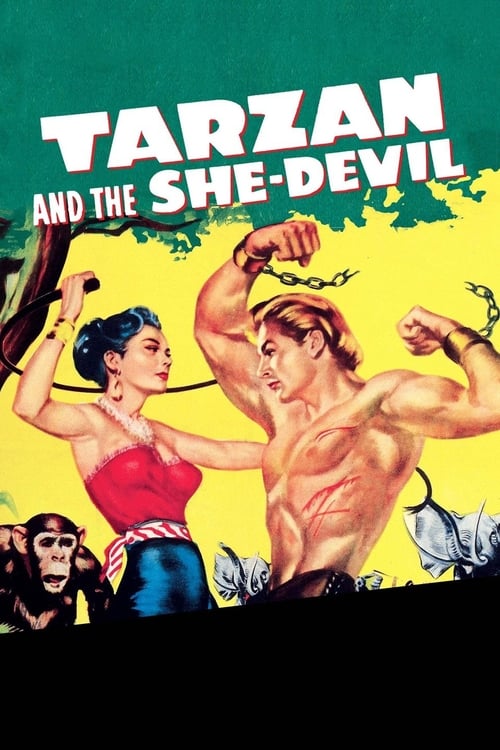
Tarzan and the She-Devil
1953
No user ratings available yet
Representation score: 0.4 out of 10
Representation Score
Minimal
1946
ApprovedDirector
Kurt Neumann
Runtime
72 minutes
Average Rating
No ratings yetNew Showbiz Analysis
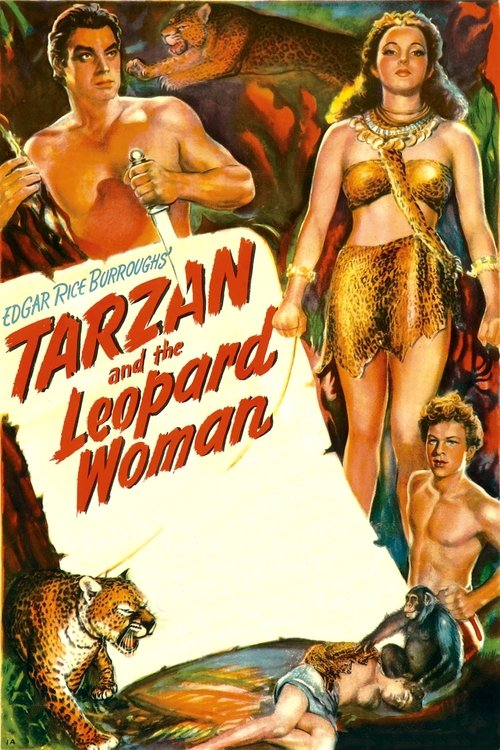
Tarzan and the Leopard Woman is a typical 1940s adventure film that upholds the social norms of its time. While it introduces a minor subversion of passive femininity through the Leopard Woman, the film remains entrenched in colonial-era clichés. The narrative leans heavily on an exoticized view of African landscapes and tribes, positioning the Western protagonist as the stabilizing force against an 'untamed' environment. This portrayal grants limited ability to act to indigenous characters. Overall, the film does not aim to challenge established power structures, focusing instead on traditional genre formulas and escapist storytelling.
Category Breakdown
The film follows mid-century standards where romantic relationships are strictly between men and women. There are no representations of LGBTQ+ identities.
The Leopard Woman character challenges the damsel in distress stereotype by showcasing physical prowess and independence. However, her story is still driven by the male protagonist.
The film uses the 'primitive tribe' stereotype and exoticizes Africa. Indigenous groups are shown as part of the landscape rather than having their own choices.
The story presents a Western perspective of civilization versus the untamed wilderness. It lacks complex cultural depth and presents a simple good-versus-evil morality centered on the Western hero.
The film does not prominently feature characters with visible or invisible disabilities.
Present on Screen
Limited or Absent
Official Synopsis
A tribe devoted to the leopard cult is dedicated to preventing civilization from moving further into Africa.
1953
1936
1951
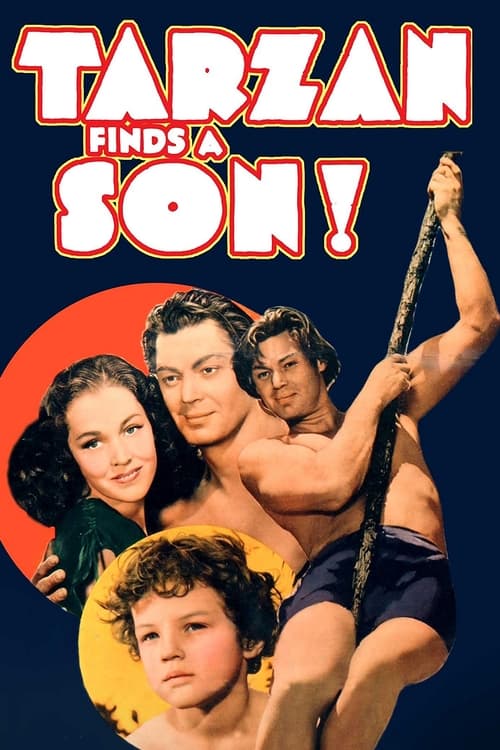
1939
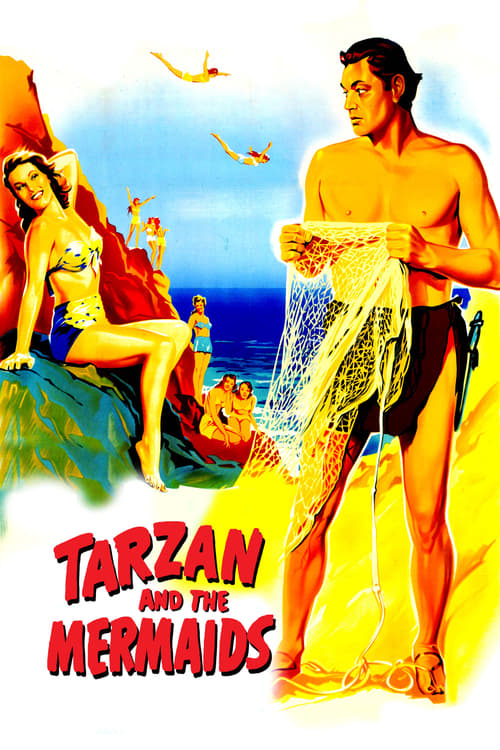
1948
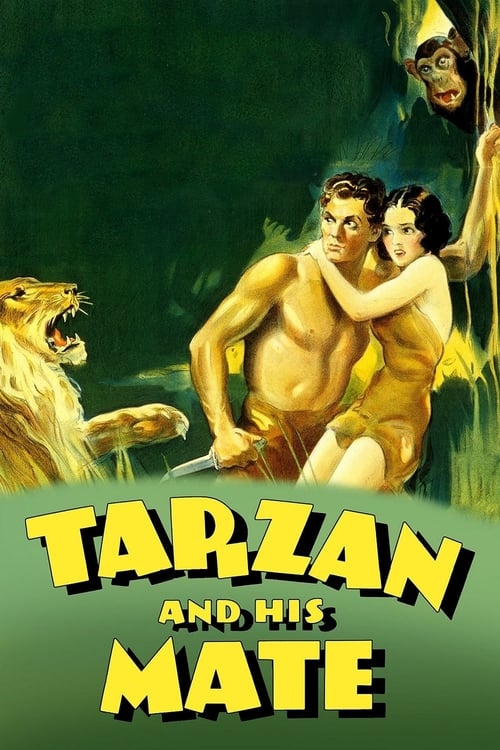
1934
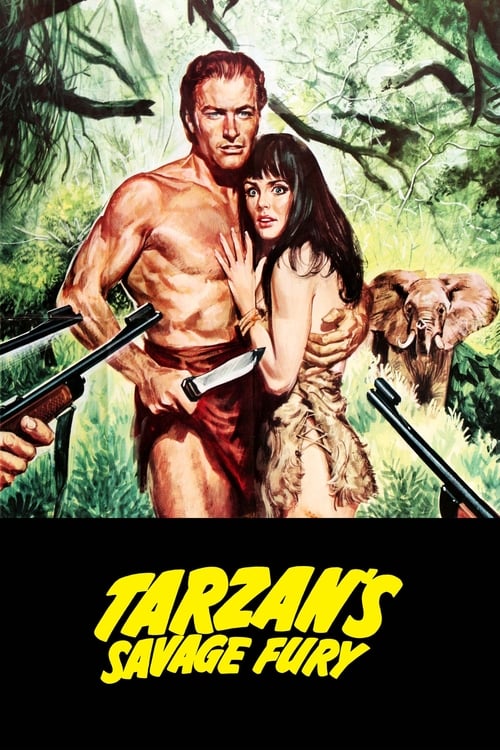
1952
1932
No reviews yet. Be the first to share your thoughts on this movie!
Use the rating form above to leave a star rating and optional review.