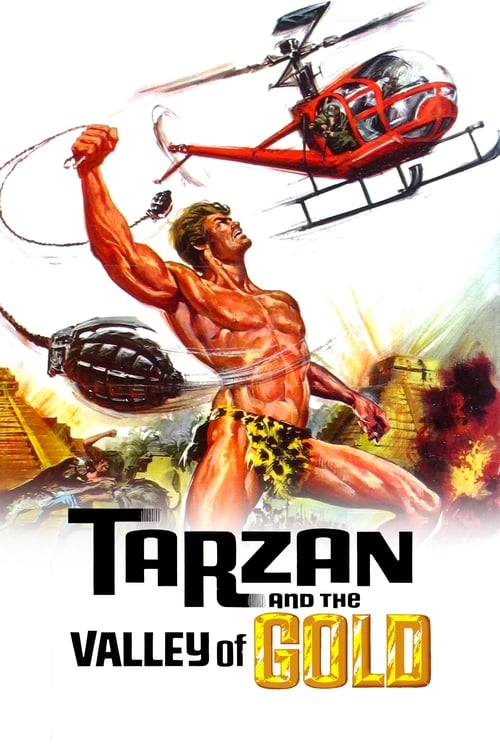
Tarzan and the Valley of Gold
1966
No user ratings available yet
Representation score: 0.6 out of 10
Representation Score
Minimal
1960
ApprovedDirector
Robert Day
Runtime
82 minutes
Average Rating
No ratings yetNew Showbiz Analysis
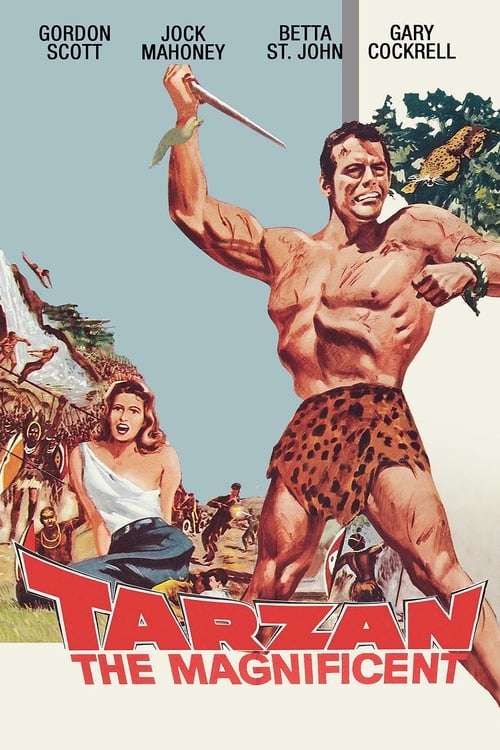
Tarzan the Magnificent is a quintessential mid-century adventure film that prioritizes genre clichés over social complexity. The narrative reinforces existing hierarchies rather than challenging them, focusing on a traditional hero-versus-antagonist structure. The film lacks intentionality regarding representation that reflects multiple aspects of identity. It relies on established archetypes of the era, particularly regarding gender roles and the depiction of the African jungle through a Western lens. Ultimately, the work functions as a reinforcement of period-specific cinematic norms, offering a conventional experience that lacks diverse perspectives or nuanced character development.
Category Breakdown
The film does not include any LGBTQ+ characters or dynamics that go beyond straight relationships. The romance revolves around the traditional pairing of Tarzan and Jane.
Gender roles adhere to traditional 1960s hierarchies. Jane primarily serves as a romantic companion, while Tarzan holds the central role of the decisive protector.
The narrative centers on a Eurocentric explorer archetype. Indigenous characters lack individual ability to act and are often used as atmospheric elements rather than nuanced figures.
The story follows Western moral frameworks. It emphasizes a clear distinction between heroic justice and criminal behavior without delving into moral relativism.
There is no representation of physical or neurodivergent disabilities within the cast or character arcs.
Present on Screen
Limited or Absent
Official Synopsis
After the Banton family rob a store is a small village and kill the local police constable, Tarzan captures one of them, Coy Banton. He decides to return him to the authorities so that the dead policeman's family will benefit from the $5000 reward. The head of the clan, Abel Banton and his two sons have no intention of letting Tarzan deliver Coy and burn the river boat they were to use. Several of the passengers are now stranded forcing Tarzan to take them along on a trek through the jungle. Abel Banton trails them intent not only getting his son back but getting rid of Tarzan.
1966
1939
1951
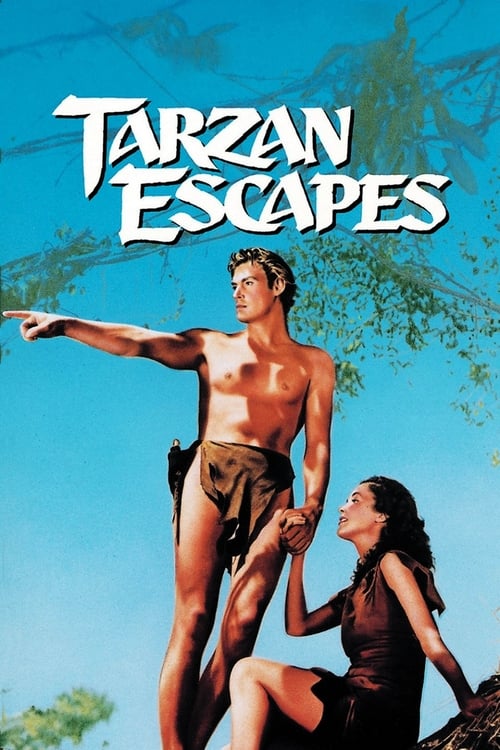
1936
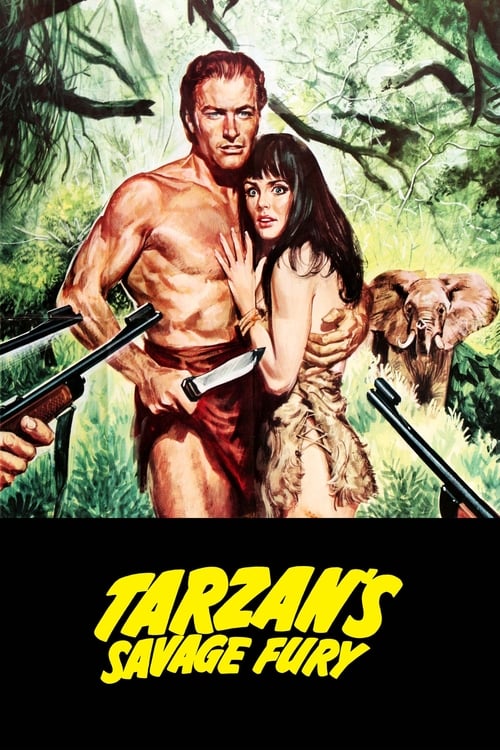
1952
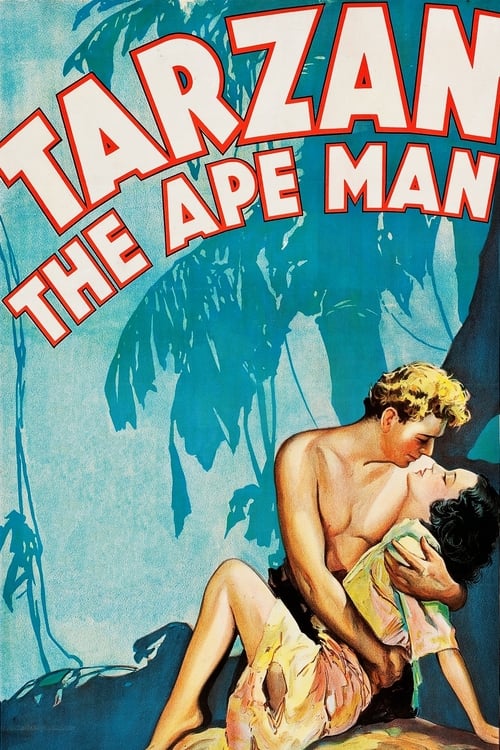
1932
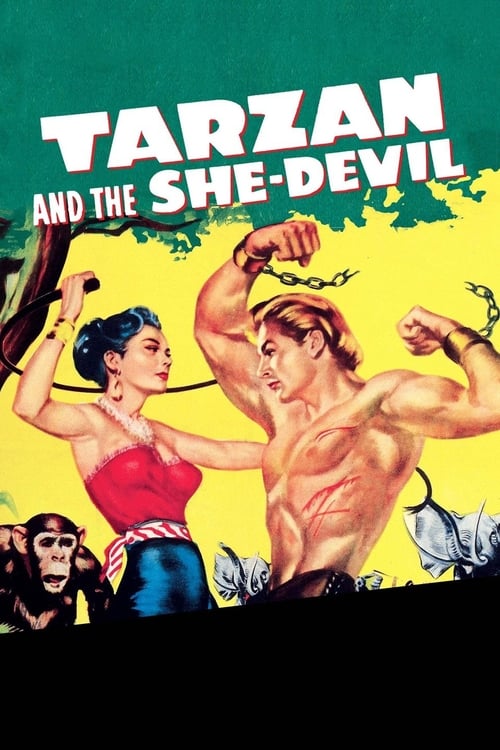
1953
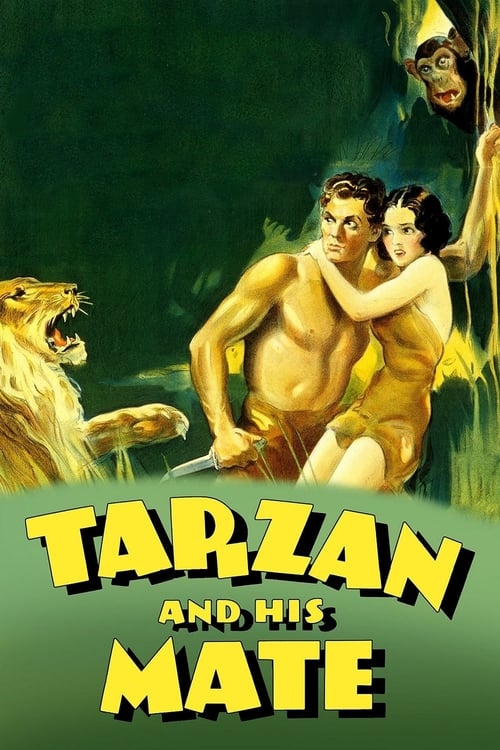
1934
No reviews yet. Be the first to share your thoughts on this movie!
Use the rating form above to leave a star rating and optional review.