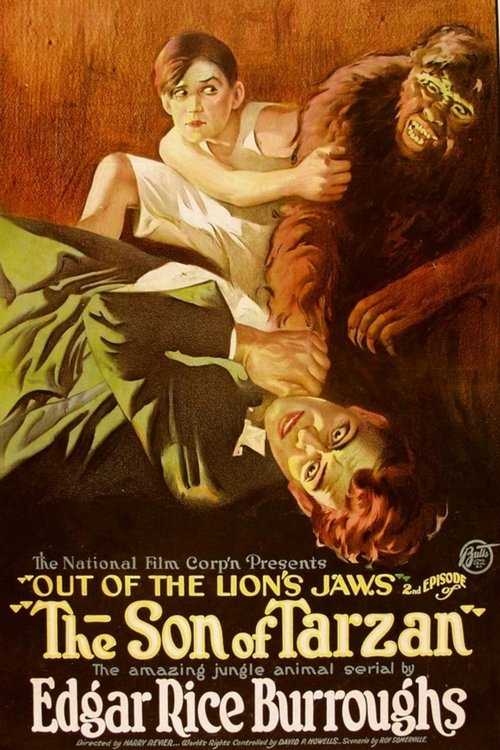
The Son of Tarzan
1920
No user ratings available yet
Representation score: 0.7 out of 10
Representation Score
Minimal
1927
Director
J.P. McGowan
Runtime
57 minutes
Average Rating
No ratings yetNew Showbiz Analysis
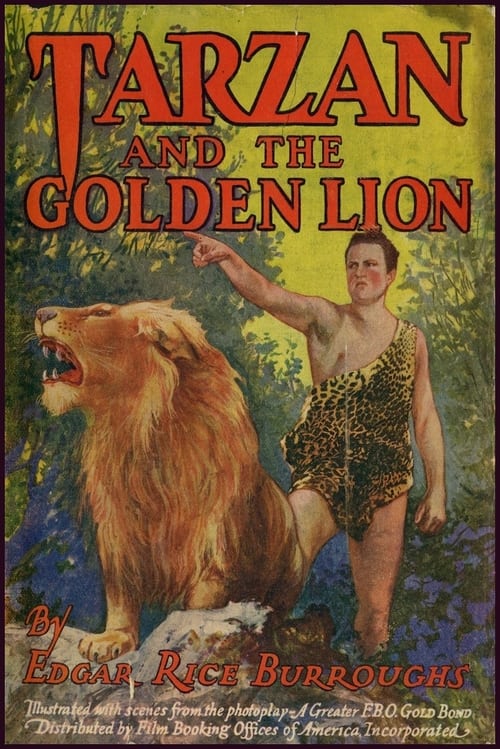
Tarzan and the Golden Lion is a quintessential product of the 1920s adventure genre, emphasizing kinetic action over social complexity. The film serves as a historical artifact of the colonialist perspective, reinforcing existing racial and gender hierarchies through traditional clichés. The narrative relies on a Western-centric lens that frames indigenous settings as exotic backdrops rather than nuanced environments. This approach sidelines non-Western cultures by positioning the protagonist as a civilizing force against a perceived chaotic landscape. Ultimately, the film lacks depth in reflecting diverse identities. It adheres to the standard moral and social structures of its era, offering little in the way of subversion or inclusive storytelling.
Category Breakdown
The film does not explore any queer identities or non-straight relationships. All romantic relationships are strictly heterosexual.
Gender roles adhere to a strict 1920s hierarchy. The female lead is primarily passive and reactive, while masculinity is defined by physical strength.
The narrative uses African settings as an exotic backdrop, reinforcing a dichotomy between Western civilization and primitive cultures.
The story follows Western adventure archetypes and moral binaries. It uses foreign landscapes to position the protagonist as a stabilizing, heroic force.
There is no representation of characters with visible or invisible disabilities. The plot focuses entirely on physical prowess and athletic abilities.
Present on Screen
Limited or Absent
Official Synopsis
Flora Hawks is in love with the overseer of Tarzan's African estate. After a search for a legendary city of diamonds, Tarzon races with his pet lion Jad-bal-ja to save Haws from being sacrificed to a lion-god.
1920
1936
1920
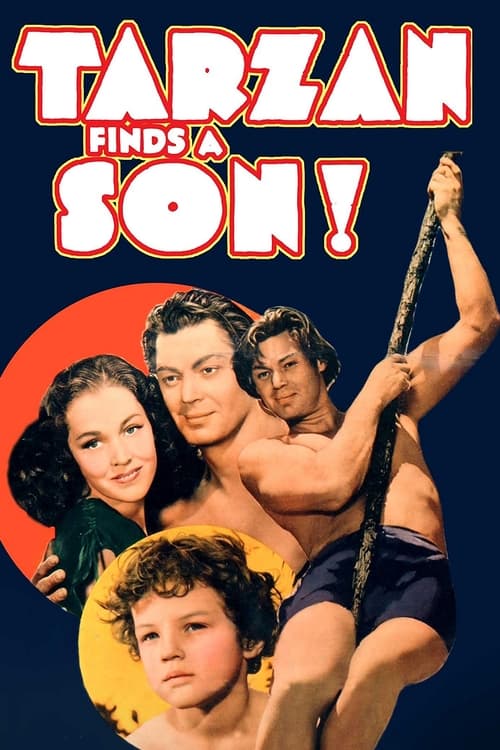
1939
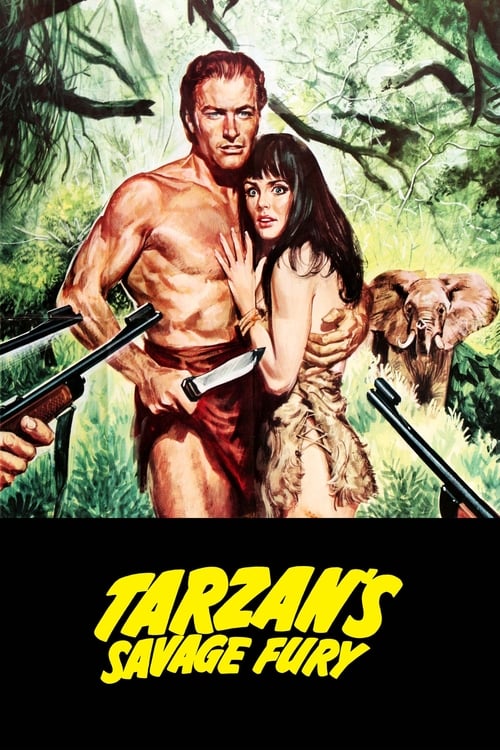
1952
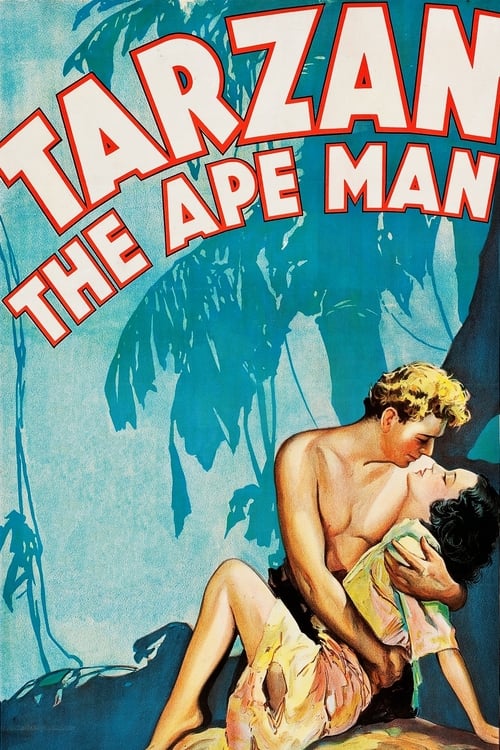
1932
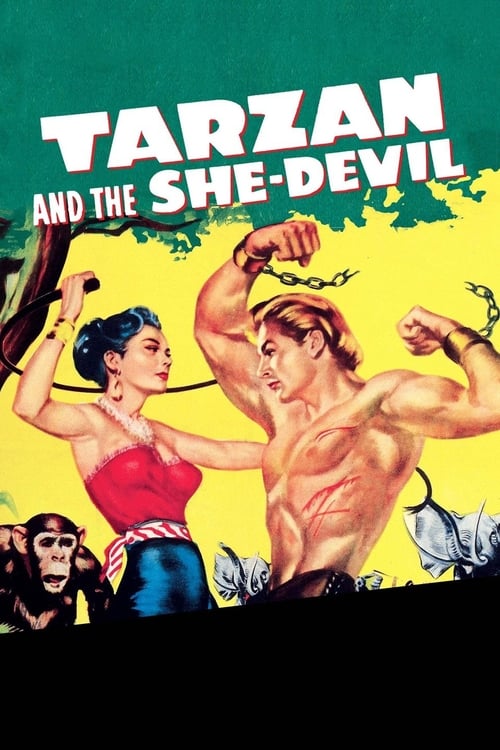
1953
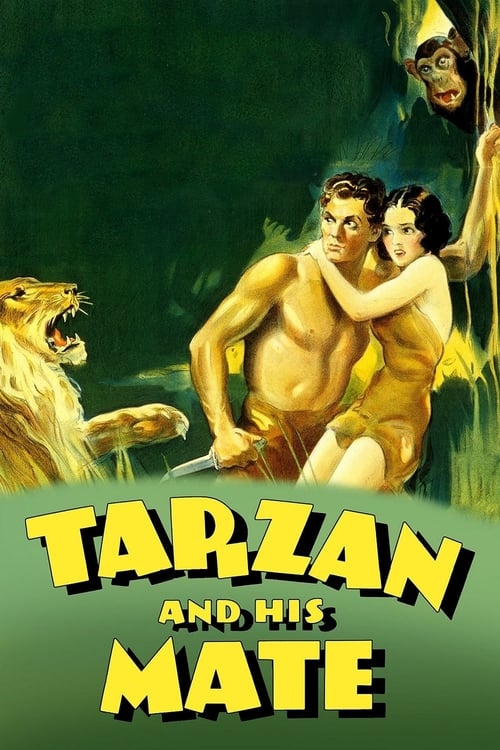
1934
No reviews yet. Be the first to share your thoughts on this movie!
Use the rating form above to leave a star rating and optional review.