
All Because of Love
2017
No user ratings available yet
Diversity score: 3.9 out of 10
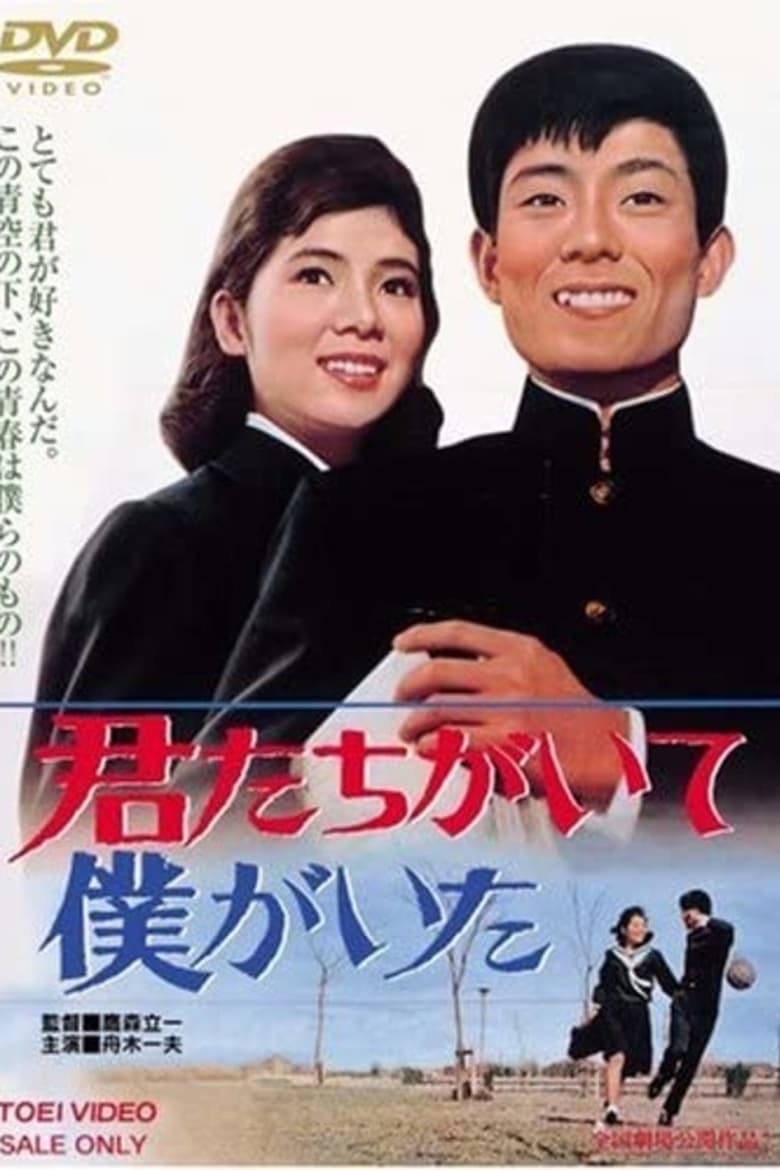
1964
Director
Ryuichi Takamori
Runtime
87 minutes
Average Rating
No ratings yetSynopsis
An uplifting drama about the bond between a group of high school seniors and their kind-hearted teacher, Mr. Yabuki. Faced with the rigors of growing up in modern times, students often look to Mr. Yabuki for advice and guidance. But when Mr. Yabuki’s career is threatened as a result of a false accusation from the school’s PTA, the students band together to stand up for their beloved teacher and help him to save his good reputation and job.
Overall Score
Limited
Category Breakdown
LGBTQ+ Representation
The film lacks any evidence of non-heteronormative identities or queer narratives. It focuses on traditional interpersonal bonds within a school setting.
Gender Representation
The plot centers on a male authority figure, Mr. Yabuki. There is no explicit evidence of subverting gender hierarchies or challenging traditional femininity.
Racial & Ethnic Diversity
The film depicts a homogeneous social environment. It does not present a multi-ethnic or intersectional cast, reflecting 1960s Japanese cinematic norms.
Religious & Cultural Diversity
The narrative critiques established social institutions like the PTA. It disrupts the idea of traditional authority as inherently benevolent through student-led rebellion.
Disability Representation
No specific details regarding characters with physical or neurodivergent disabilities are present in the film's context.
Strengths
Areas for Improvement
AI Analysis
Ryuichi Takamori’s drama is a period-specific social study that prioritizes institutional critique over intersectional identity. The film's narrative architecture focuses on communal agency and the struggle of an individual against systemic injustice. While the film lacks modern markers of demographic diversity, such as LGBTQ+ representation or multi-ethnic casting, it offers a meaningful subversion of authority. By portraying the school administration and PTA as potentially corrupt, it challenges the perceived benevolence of traditional social structures. Ultimately, the work is rooted in the demographic homogeneity of 1964 Japan, finding its strength in grassroots empowerment rather than diverse representation.
2017

2020
1954

1961

1949
1936

1961

1962

1956
1957

1951
1942
No reviews yet. Be the first to share your thoughts on this movie!
Use the rating form above to leave a star rating and optional review.