
The Fiancés
1963
No user ratings available yet
Representation score: 2.4 out of 10
Representation Score
Limited
1961
NRDirector
Ermanno Olmi
Runtime
98 minutes
Average Rating
No ratings yetNew Showbiz Analysis
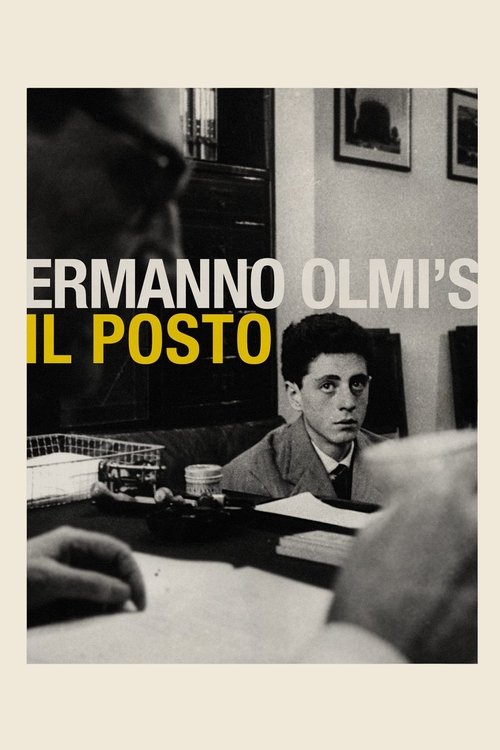
Il Posto is a period piece that prioritizes sociological critique over modern characters who reflect more than one aspect of diversity. It captures the demographic homogeneity of the Italian economic boom, resulting in low scores for racial and LGBTQ+ diversity. However, the film finds its strength in cultural depth. It provides a powerful deconstruction of the capitalist experience, framing the corporate machine as an indifferent entity that absorbs human ability to act. While it lacks contemporary diversity markers, its intentional focus on the alienation of the individual within a systemic structure gives it significant thematic weight.
Category Breakdown
The film does not include any LGBTQ+ characters or narratives. It focuses solely on socio-economic struggles within a traditional social framework.
Female characters like Antonietta are shown as active participants in the labor struggle. However, the film maintains traditional gender roles and power dynamics.
The setting reflects the homogeneous demographic reality of 1960s Northern Italy. There is very little racial or ethnic diversity in the narrative.
The film offers a sophisticated critique of modern institutional structures and capitalism. It portrays the large corporation as a dehumanizing force that erodes individual identity.
There are no prominent depictions of visible or invisible disabilities. Such elements do not serve as central drivers for the characters or the plot.
Present on Screen
Limited or Absent
Official Synopsis
With his family mired in financial troubles, Domenico moves to Milan, Italy, from his small town to get a job in lieu of furthering his education. A lack of options forces him to take a position as a messenger at a big company, where he hopes to receive a promotion soon. There, Domenico meets Antonietta, a young woman in a similar situation as himself. The two form a tentative relationship, but the soulless nature of their jobs threatens to keep them apart.
1963

1957

1968
1936
1963

1963
1962

1965
No reviews yet. Be the first to share your thoughts on this movie!
Use the rating form above to leave a star rating and optional review.