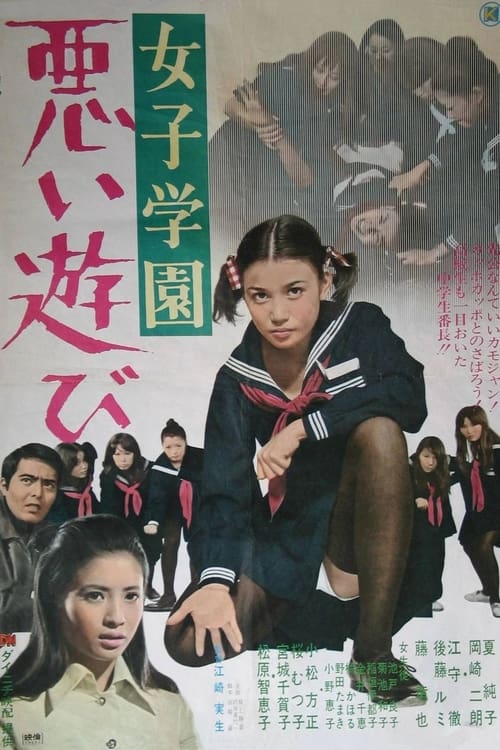
Dangerous Games
1970
No user ratings available yet
Representation score: 5.1 out of 10
Representation Score
Limited
1956
Director
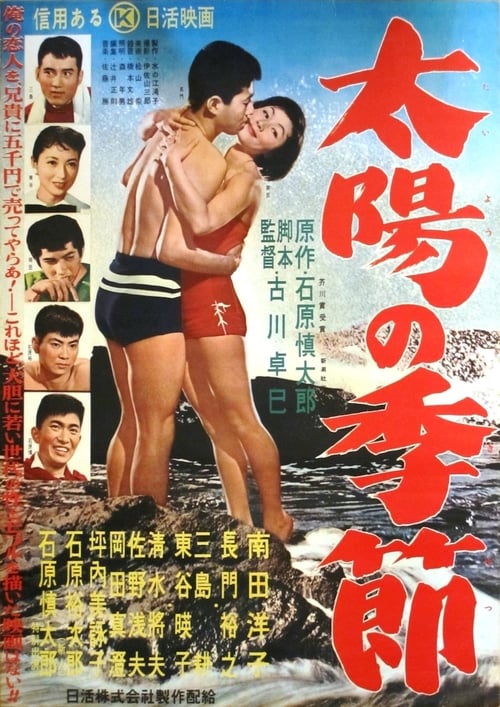
Takumi Furukawa
Runtime
89 minutes
Average Rating
No ratings yetNew Showbiz Analysis
Season of the Sun explores class conflict and youthful nihilism rather than overlapping aspects of identity. It relies heavily on the 'Sun Tribe' cliché to examine the tension between rebellious youth and the established upper class. Though the film lacks modern markers like LGBTQ+ or multi-ethnic representation, it provides a critique of social stability. Its strength lies in deconstructing traditional post-war social structures through its depiction of hedonism. Ultimately, the film remains rooted in the conventional romantic and gendered formulas of its time, prioritizing class-based conflict over diverse identity representation.
Category Breakdown
The film focuses on traditional heterosexual relationships and does not include any non-cisgender identities or critiques of the assumption that everyone is straight.
The story follows traditional gender roles, emphasizing male-dominated physical confrontations and the pursuit of female companionship. Although Eiko demonstrates personal pride, the overall framework is driven by male characters.
As a Japanese production, the film portrays a socially homogeneous environment. The focus is on internal class conflicts rather than on multi-ethnic or intercultural interactions.
The film challenges social hierarchies by showing hedonistic, anti-social behavior among young people. This portrayal of the 'Sun Tribe' lifestyle questions the established post-war social norms and order.
There is no information about the inclusion or depiction of characters with physical or neurodivergent disabilities in the provided material.
Present on Screen
Limited or Absent
Official Synopsis
The film tells the story of a group of high school boxing team members who spend their days drinking, sailing and chasing girls, and who more often than not spend their nights getting into brawls. In particular, it focuses upon Tatsuya, a sullen young man, who falls in love with Eiko, a proud upper-class girl.
1970
1996
1967
1961
1956
1960

1973

1953
No reviews yet. Be the first to share your thoughts on this movie!
Use the rating form above to leave a star rating and optional review.