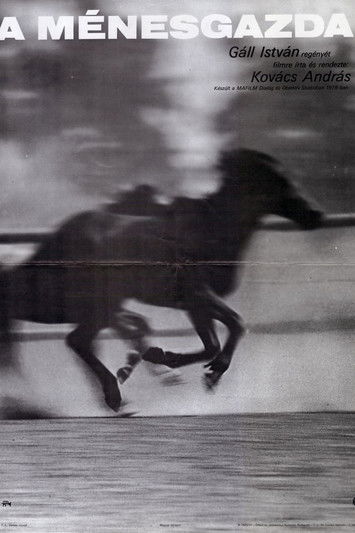
The Stud Farm
1978
No user ratings available yet
Representation score: 4.6 out of 10

Representation Score
Limited
1961
Director
Zoltán Fábri
Runtime
96 minutes
Average Rating
No ratings yetNew Showbiz Analysis
The Brute is a psychological exploration of primal aggression rather than a platform for characters who reflect more than one aspect of diversity. It emphasizes the conflict between individualistic tendencies and the emerging collective social structures of the post-war period. The film's strength lies in its deconstruction of the traditional heroic male archetype. By presenting an unchangeable protagonist, it challenges the conventional narrative of moral growth and traditional masculine leadership. However, the film remains limited by the demographic characteristics of 1960s Hungary. It lacks racial and LGBTQ+ diversity, focusing instead on a mono-ethnic, straight-centered environment.
Category Breakdown
The film centers on heterosexual relationships and traditional gender roles. It does not include any representation of LGBTQ+ identities or non-cisgender characters.
The story examines a volatile hierarchy of power between genders. Women frequently appear as victims of male aggression, while the male lead is portrayed as a disruptive and unpolished figure, challenging traditional masculinity.
Set in the Hungarian countryside, the film features a cast that is predominantly of the same ethnicity. It does not showcase a diverse range of ethnicities or cultures.
The narrative explores the shift from individual land ownership to communal structures after World War II. It highlights the change from private property to collective social organization in post-war Hungary.
The film does not depict any characters with visible or invisible disabilities playing key roles in the plot. Characters with disabilities are not given specific ability to act or depth.
Present on Screen
Limited or Absent
Official Synopsis
Ulveczky, unbridled bull of the village, is incapable of living in the small community like others. He runs his farm and lives life as a tyrant. His licentious temperament leads him to take whatever he wants, women included, who are swept off their feet. His victims include a beautiful young girl who nearly dies when he tires of and ejects her. With great difficulty, she restarts her life, hoping that she has finally freed herself of the brute who, however, doesn't let go quite so easily.
1978
1930
1976

1957
1974

1967
1980
1956
No reviews yet. Be the first to share your thoughts on this movie!
Use the rating form above to leave a star rating and optional review.