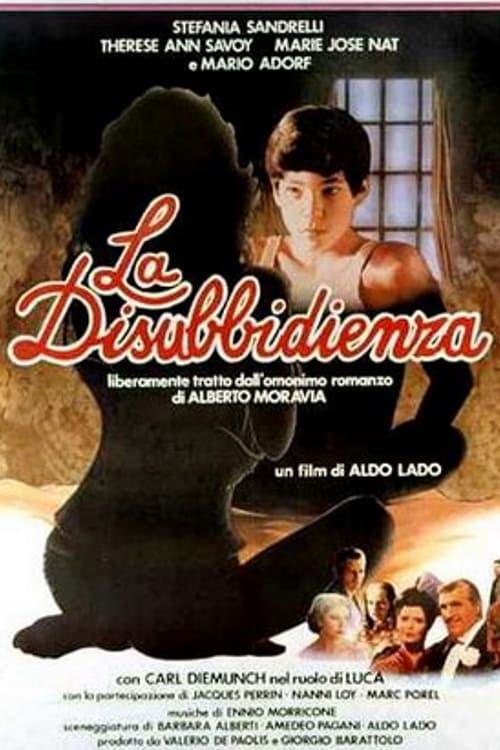
Disobedience
1981
No user ratings available yet
Representation score: 1.9 out of 10
Representation Score
Limited
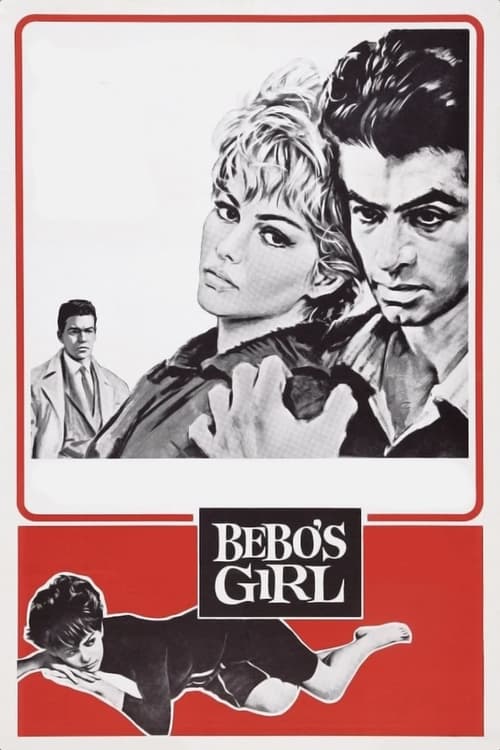
1964
Director
Luigi Comencini
Runtime
106 minutes
Average Rating
No ratings yetNew Showbiz Analysis
Luigi Comencini’s drama succeeds in providing psychological depth to its female lead, challenging the era's tendency to treat women as mere social pawns. By focusing on Mara's disillusionment, the film elevates her role against patriarchal rules. However, the film is limited by its historical and regional specificity. It lacks representation for LGBTQ+ individuals and racial diversity, reflecting the homogeneous Italian village setting of the 1940s. Ultimately, the film's strength lies in its socio-political critique. It moves beyond simple heroism to examine how institutionalized movements and traditional family structures impact individual autonomy.
Category Breakdown
The film does not include explicit LGBTQ+ identities or stories that go beyond the assumption that everyone is straight. It follows a traditional Italian framework from the mid-1940s focused on arranged marriages and courtship.
Mara's emotional journey moves her from being a passive object to a complex subject with internal resentment. The film highlights her internal struggles and growth.
The setting reflects the homogeneous population of a 1940s Italian village. There is no indication of diverse casting or intentional racial blending within this local context.
The story offers a nuanced look at political identity and the integration of society after World War II. It examines the tension between partisan heroism and everyday civilian life.
No visible or invisible disabilities are shown as central to the character arcs. The narrative focuses on political and domestic issues.
Present on Screen
Limited or Absent
Official Synopsis
At the end of World War II, shallow, self-centered Mara is the prettiest girl in her small Italian village; Bebo is a Communist partisan who is finding it difficult to adjust to the dull banalities of life in peacetime. When Mara’s father, a passionate Communist, declares that his daughter will marry the returning hero, her reactions range from joy to bitter resentment.
1981

1950
1954

1957
1948
1964
1947
1975
No reviews yet. Be the first to share your thoughts on this movie!
Use the rating form above to leave a star rating and optional review.