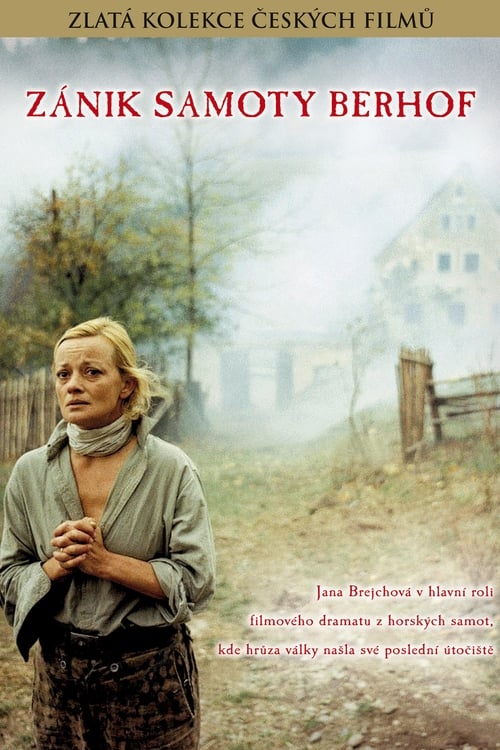
End of the Lonely Farm Berhof
1985
No user ratings available yet
Representation score: 4.1 out of 10
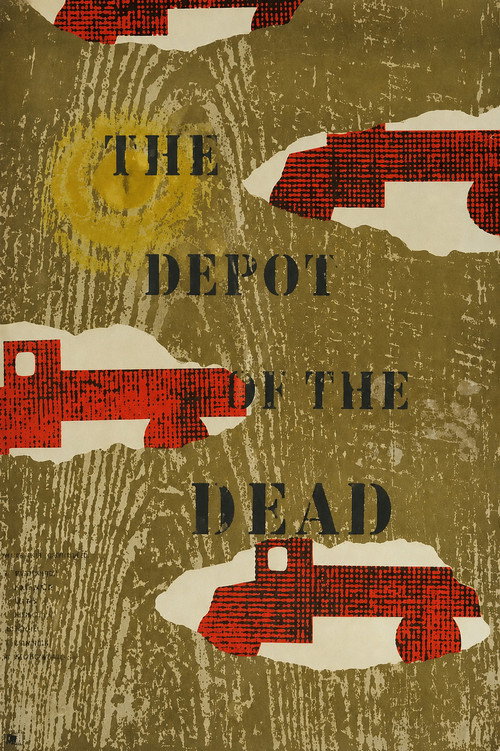
Representation Score
Minimal
1959
Director
Czesław Petelski
Runtime
104 minutes
Average Rating
No ratings yetNew Showbiz Analysis
The film is a traditional period drama centered on class tension and power dynamics in post-war Poland. It focuses on how new authority figures disrupt established communal hierarchies in a rugged mountain setting. While the narrative explores social disruption, it lacks complexity in addressing multiple aspects of identity. The focus remains on localized conflict rather than modern progressive themes. Ultimately, the work functions as a study of systemic imposition on a community, prioritizing historical and geographic realism over diverse representation.
Category Breakdown
The film does not include any characters with LGBTQ+ identities. It adheres to the social norms and constraints of 1959.
The boss's wife plays a significant role in driving the plot, suggesting she has more ability to act than typical domestic roles. However, it is unclear if this role challenges traditional gender roles.
Set in southeastern Poland, the film likely depicts a homogeneous ethnic population. There is no evidence of racial blending or non-white actors.
The story explores the tension between new authority figures and local traditions. It examines systemic disruption but lacks explicit anti-capitalist or secularist themes.
There is no documented evidence of characters with physical or neurodivergent disabilities.
Present on Screen
Limited or Absent
Official Synopsis
In the rugged mountain gorges and ravines of southeastern Poland, a new boss and his wife become a catalyst for violence.
1985
1985
1956

1950
1967
1976
1991
1976
No reviews yet. Be the first to share your thoughts on this movie!
Use the rating form above to leave a star rating and optional review.