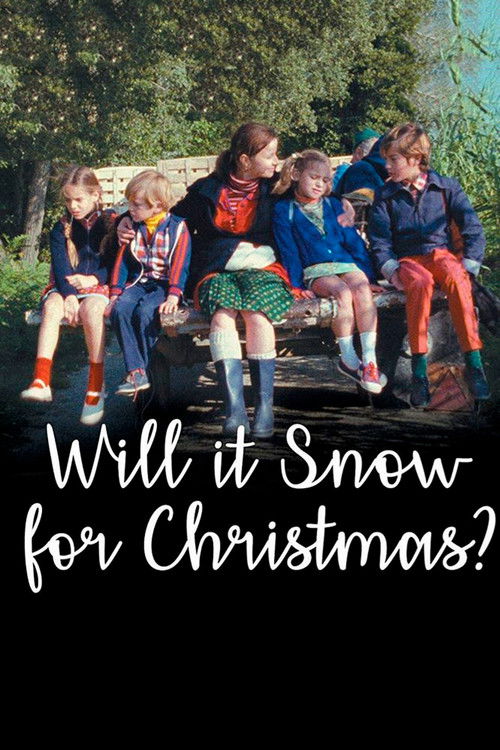
Will It Snow for Christmas?
1996
No user ratings available yet
Representation score: 5.6 out of 10
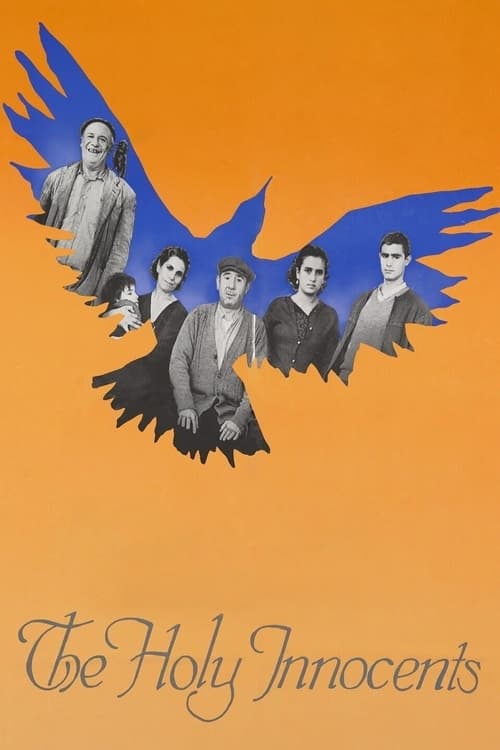
Representation Score
Limited
1984
PGDirector
Mario Camus
Runtime
107 minutes
Average Rating
No ratings yetNew Showbiz Analysis
Mario Camus presents a scathing critique of class-based oppression in 1960s Extremadura. The film emphasizes the peasants' struggle against an exploitative elite, rather than focusing on contemporary multi-layered identity issues. Though the historical and geographic setting restricts the presence of LGBTQ+ and racial diversity, the film excels in cultural critique. It dismantles the myth of peaceful rural life by revealing the inherent violence in traditional agrarian capitalism. Ultimately, the film serves as a social commentary on how concentrated power dehumanizes both the ruling class and the working class.
Category Breakdown
The film centers on traditional romantic and sexual tensions within a rural community. It adheres to established social norms without exploring diverse sexual orientations or gender identities.
Women face the limitations of a traditional rural environment and patriarchal structures. They have internal desires but their actions are often constrained by societal expectations.
The setting showcases a predominantly homogenous population within a specific historical Spanish context. Socioeconomic differences are used to illustrate power dynamics.
The film critically examines traditional Western institutions and the landed gentry. It highlights the exploitative and dehumanizing nature of established social hierarchies.
There are no prominent depictions of visible or invisible disabilities that drive the narrative or serve as central character arcs.
Present on Screen
Limited or Absent
Official Synopsis
In 60s Extremadura, Paco el Bajo and his relatives work during day in a farmhouse, and silently suffer submission to their masters, who exploit them and treat them almost like animals. Meanwhile, Paco dreams that one day his children will be able to study.
1996
1978
1979

1967
1961

1970
1978

1967
No reviews yet. Be the first to share your thoughts on this movie!
Use the rating form above to leave a star rating and optional review.