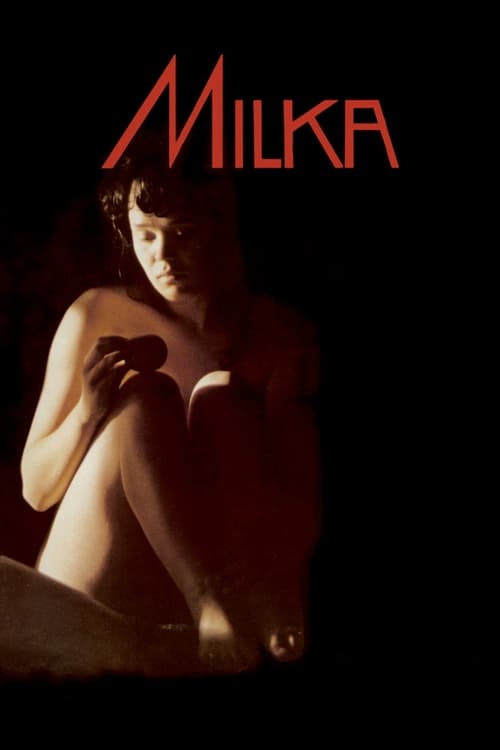
Milka: A Film About Taboos
1980
No user ratings available yet
Diversity score: 5.1 out of 10
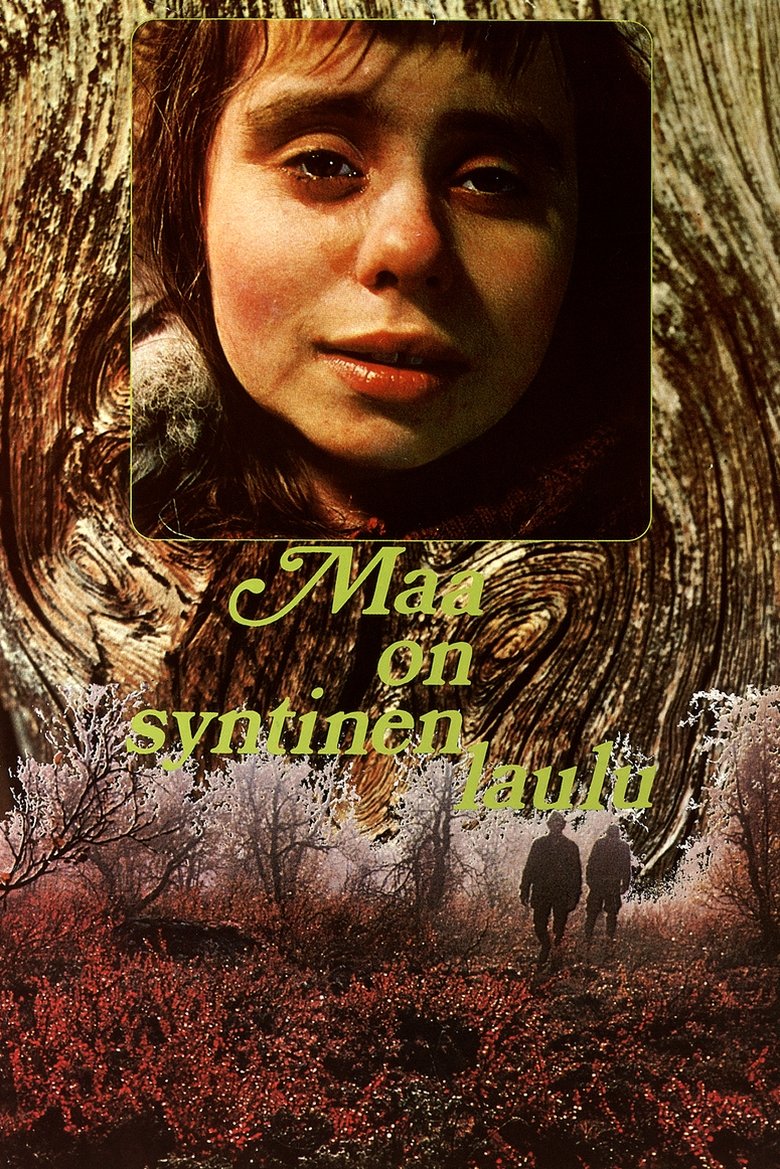
1973
Director
Rauni Mollberg
Runtime
108 minutes
Average Rating
No ratings yetSynopsis
An earthy, naturalistically erotic and blood-soaked tale of young Martta's ill-fated affair with Oula, a womanizing reindeer herdsman in the Finnish Lapland of the late 1940s. When the 19-year-old girl turns up pregnant, her alcoholic father is outraged and a series of tragic events follows
Overall Score
Fair
Category Breakdown
LGBTQ+ Representation
The film lacks discernible LGBTQ+ characters or narratives. Interpersonal dynamics focus exclusively on the heterosexual tensions between Martta and Oula.
Gender Representation
Gender hierarchies are subverted through a naturalist lens. Martta’s agency is tied to her reproductive reality, while male characters are depicted through impulse and volatility.
Racial & Ethnic Diversity
The film reflects the demographic realities of 1940s Finnish Lapland. It provides specific ethnic texture through reindeer-herding culture but remains a largely homogenous period study.
Religious & Cultural Diversity
The narrative prioritizes natural instinct over Christian morality. It critiques rigid social structures by portraying the patriarchal family unit as dysfunctional and reactionary.
Disability Representation
There is no significant evidence regarding the portrayal of physical or neurodivergent disabilities within the film.
Strengths
Areas for Improvement
AI Analysis
Rauni Mollberg’s film is a visceral study of human impulse that rejects mid-century moral certainties. It succeeds by replacing civilized protagonists with characters driven by biological and environmental necessity, effectively deconstructing traditional social hierarchies. While the film lacks modern intersectional markers or LGBTQ+ representation, it offers a radical critique of the patriarchal family. Its strength lies in its commitment to a naturalist worldview that views religious dogma as secondary to human instinct. Ultimately, the work functions as a period-accurate study of a specific localized community, using the friction between individual desire and rural life to challenge established cultural norms.
1980
1986
1949
1988

2003
1953
1961

1976
1979
1978
1957
1987
No reviews yet. Be the first to share your thoughts on this movie!
Use the rating form above to leave a star rating and optional review.