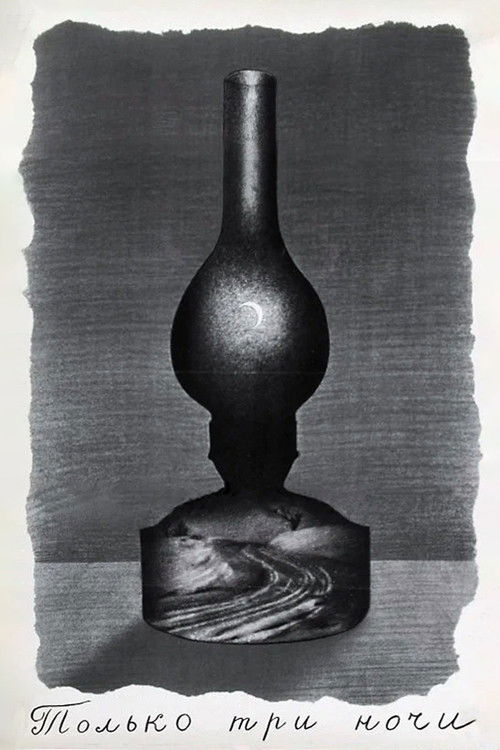
Only Three Nights
1969
No user ratings available yet
Representation score: 4.7 out of 10
Representation Score
Limited
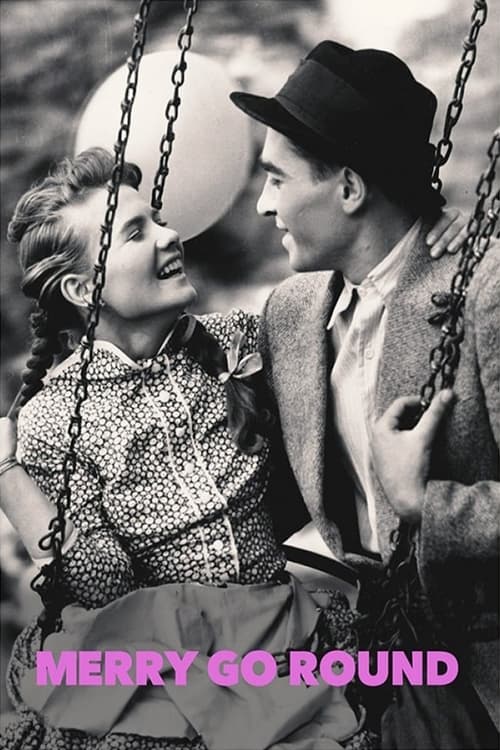
1956
Director
Zoltán Fábri
Runtime
92 minutes
Average Rating
No ratings yetNew Showbiz Analysis
Zoltán Fábri’s film is a sophisticated critique of communal rigidity, focusing on the tension between individual freedom and village traditions. While it lacks demographic diversity regarding race and LGBTQ+ identities, it excels in its thematic depth regarding social structures. The film uses its rural setting to challenge traditional hierarchies and power dynamics. It provides a nuanced look at how systemic oppression and patriarchal power affect individuals, particularly the female protagonist. Ultimately, the work prioritizes a psychological and social study over broad representation, focusing more on subverting established norms than showcasing diverse demographics.
Category Breakdown
The film does not include any LGBTQ+ characters or narratives. It focuses on traditional village life and the consequences of sexual behavior within a heterosexual framework.
The narrative challenges traditional gender roles by highlighting the strength and resilience of the female protagonist. It shows how women's autonomy can lead to ostracization, while men's transgressions often go unpunished.
The film depicts a largely homogenous ethnic population within a specific historical context. It focuses on internal class and social divisions rather than diverse ethnic perspectives.
The story criticizes traditional communal institutions, portraying the village as a source of systemic hypocrisy. It highlights how strict adherence to tradition can be oppressive and destructive.
The film does not prominently depict physical or neurodivergent disabilities. There are no characters with disabilities serving as central narrative drivers or character studies.
Present on Screen
Limited or Absent
Official Synopsis
In a rural scenery in the throes of difficult changes lives humble but promising young farmer girl Mari Pataki. Her father forbids her from seeing the man she loves. The father, above all preoccupied by work on the fields and prospective wealth, decides to give his daughter in marriage to his older business partner. 'Land marries land', he says, a phrase which seems to be the unyielding rule of the Hungarian peasantry. But the younger lover is ready to confront any challenge to keep Mari's love.
1969
1965
1961

1953
1933
1961
1942
1955
No reviews yet. Be the first to share your thoughts on this movie!
Use the rating form above to leave a star rating and optional review.