
The Hunter
2011
No user ratings available yet
Representation score: 7.2 out of 10
Representation Score
Limited
2013
Director
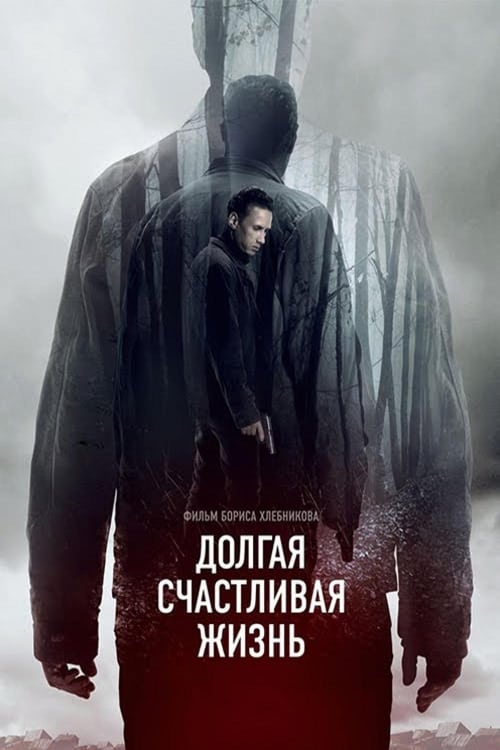
Boris Khlebnikov
Runtime
77 minutes
Average Rating
No ratings yetNew Showbiz Analysis
Boris Khlebnikov’s film is a work of social realism that prioritizes atmospheric depth over broad demographic representation. It functions as a localized character study, focusing on the existential pressures of a fading way of life in northern Russia. The film successfully challenges traditional male clichés, presenting a protagonist defined by vulnerability and moral struggle rather than traditional strength. It provides a sharp critique of institutional corruption and the decay of social structures. However, the work lacks representation of diverse identities, ethnic groups, or characters with disabilities.
Category Breakdown
The story focuses on a heterosexual relationship between Sascha and Anya. There are no representations of LGBTQ+ identities or same-sex relationships.
Sascha is portrayed as a vulnerable man rather than a traditionally dominant figure. The narrative mainly centers on the male perspective of decision-making and personal growth.
The film shows a localized, homogeneous community on the Kola Peninsula. It reflects specific regional demographics without presenting a multi-ethnic or globally diverse cast.
The film critiques post-Soviet administrative corruption and the shift towards capitalist values. It explores the tension between traditional handshake agreements and predatory economic practices.
There are no visible or invisible disabilities that play a central role in the character arcs or the plot progression.
Present on Screen
Limited or Absent
Official Synopsis
Sascha lives in a village on the Kola Peninsular in northern Russia and dedicatedly manages what is left of an old collective farm. He gets on well with his farm workers who respect him and also tolerate his more or less clandestine love-affair with Anya, a secretary at the local government office. But then Sascha is suddenly faced with a dilemma: the district’s self-seeking administrators, none of whom could be termed squeamish, offer him a lucrative deal for the farm. In legal terms, Sascha doesn’t have much of a leg to stand on since his lease on the farm was only agreed with a handshake. The pressure mounts, and even more so when his employees convince him to stand firm. Against the backdrop of a landscape exposed to the elements, this unflinching man’s destiny takes its course.
2011
1978
1980

1949
2016
1990
1991

1984
No reviews yet. Be the first to share your thoughts on this movie!
Use the rating form above to leave a star rating and optional review.