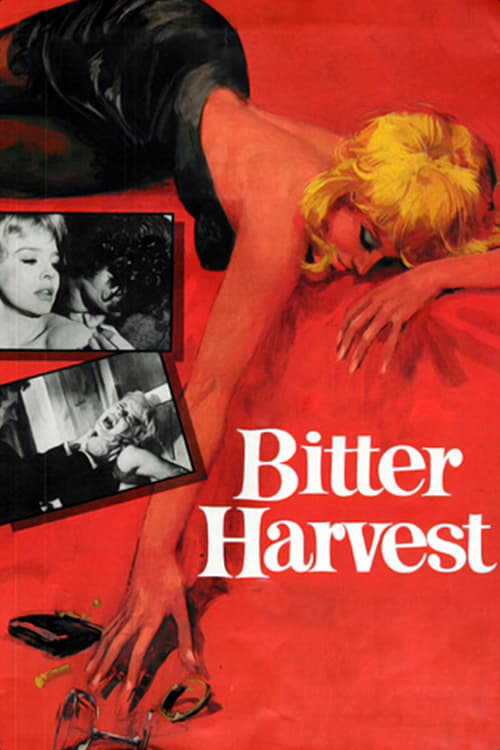
Bitter Harvest
1963
No user ratings available yet
Representation score: 0.9 out of 10

Representation Score
Fair
1967
Not RatedDirector
Lindsay Anderson
Runtime
46 minutes
Average Rating
No ratings yetNew Showbiz Analysis
Lindsay Anderson’s work serves as a formalist experiment rather than an identity-focused narrative. The film's strength lies in its structural disruption of traditional cinematic hierarchies, using non-linear vignettes to reflect the fragmentation of the self. However, this focus on existential subjectivity comes at the expense of demographic representation. The film reflects the social constraints of its era, offering little visibility for queer, racial, or diverse identities. Ultimately, the film challenges viewers through its deconstruction of stable social identities, but it remains a product of a relatively homogeneous cinematic landscape.
Category Breakdown
The film does not include any LGBTQ+ characters or representations of same-sex intimacy. Its fragmented structure emphasizes individual isolation over interpersonal relationships.
A female protagonist navigates an urban alienation setting. However, her role focuses on despondency and passivity rather than active empowerment.
The cast reflects a homogeneous urban demographic typical of 1960s London. There is no significant racial or ethnic diversity in the production.
The film critiques traditional social structures through its focus on urban alienation. Its experimental form deconstructs the idea of a cohesive, purposeful life.
Psychological despondency is explored as a universal condition. The film lacks specific, empowered portrayals of neurodivergence or disability.
Present on Screen
Limited or Absent
Official Synopsis
A despondent young woman travels home to the North of England.
1963

1957
1972
1976
1968

1963
1970
1970
No reviews yet. Be the first to share your thoughts on this movie!
Use the rating form above to leave a star rating and optional review.