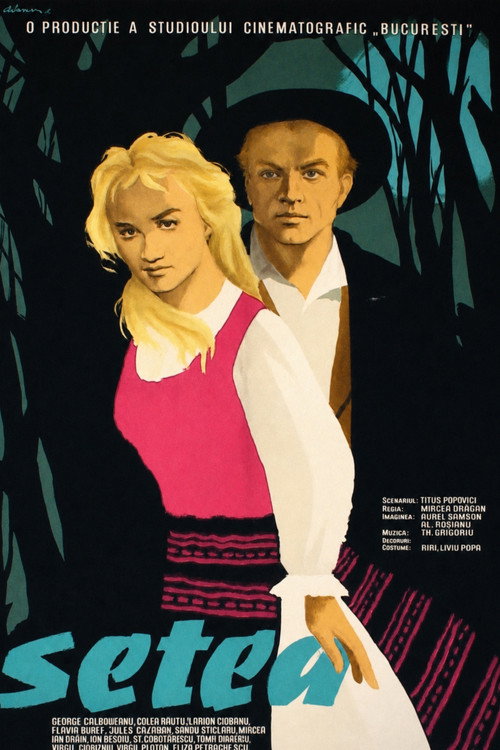
The Thirst
1960
No user ratings available yet
Representation score: 3.9 out of 10
Representation Score
Minimal
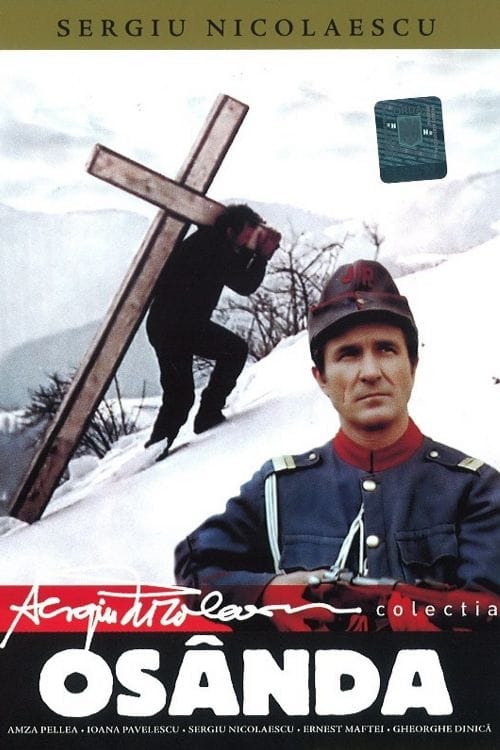
1976
Director
Sergiu Nicolaescu
Runtime
112 minutes
Average Rating
No ratings yetNew Showbiz Analysis
The Punishment is a traditional historical drama that emphasizes national identity and historical realism. It focuses on individuals struggling against systemic changes and losing their ancestral lands after World War I. While the film provides a nuanced look at class struggles and the impact of imperialism, it lacks complexity in representing diverse identities. The narrative structure upholds traditional hierarchies rather than challenging them. Overall, the film serves as a study of sovereignty and socioeconomic friction, operating within the social norms of its era and genre.
Category Breakdown
The film follows the 19th-century social norms where same-sex relationships and diverse gender identities are not represented.
The story centers around male-dominated areas such as military strategy and government. Women are mostly shown in traditional domestic roles or as emotional stakes in the plot.
The film explores tensions between Wallachian forces and the Ottoman Empire. It frames these conflicts through the lens of national sovereignty and imperial struggles.
It highlights the tension between peasants and the landed nobility. Institutional power is portrayed through the Orthodox Church and the local aristocracy.
There are no characters with visible or invisible disabilities included in the narrative.
Present on Screen
Limited or Absent
Official Synopsis
In 1919 at the end of WW1 Romanian peasant Manolache Preda returns to his native village where he finds his woman taken by another and his land sold to the local landowner.
1960
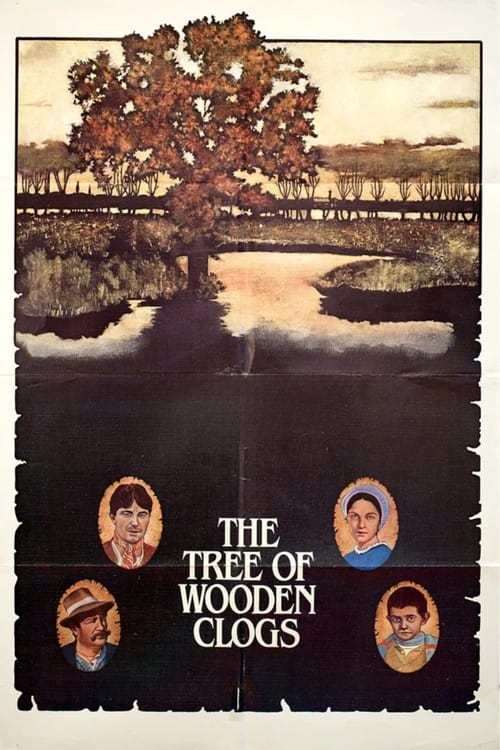
1978
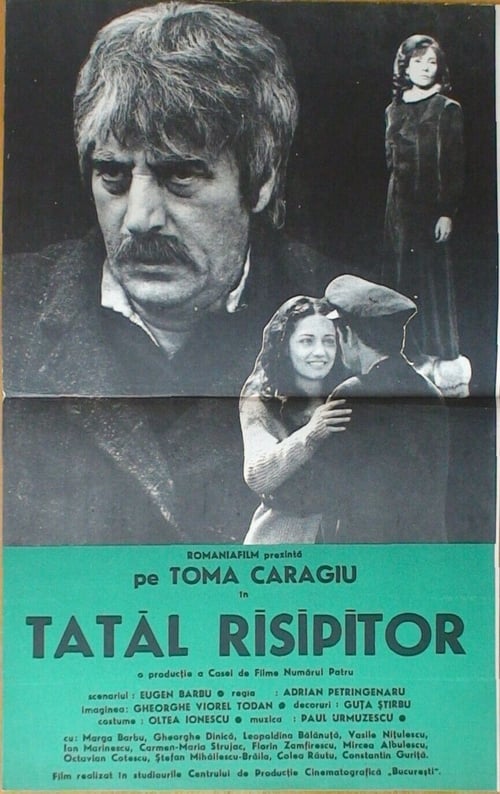
1974

1950
1959
1929

1959
1932
No reviews yet. Be the first to share your thoughts on this movie!
Use the rating form above to leave a star rating and optional review.