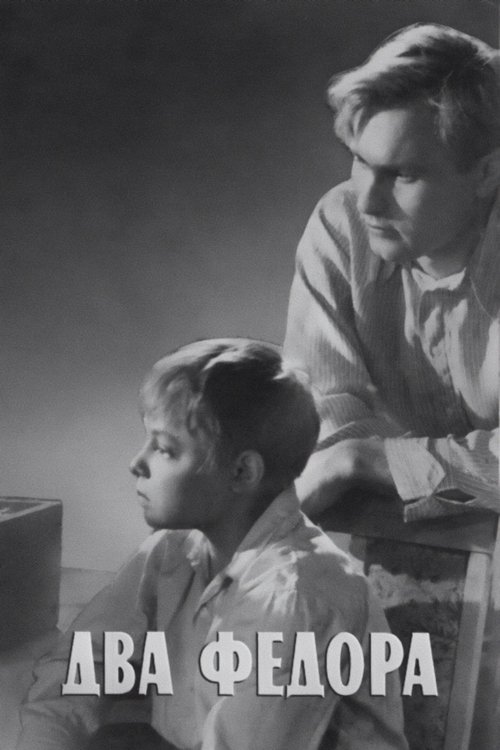
The Two Fedors
1958
No user ratings available yet
Representation score: 3.9 out of 10
Representation Score
Minimal
1957
Director
Mikhail Shveitser
Runtime
97 minutes
Average Rating
No ratings yetNew Showbiz Analysis
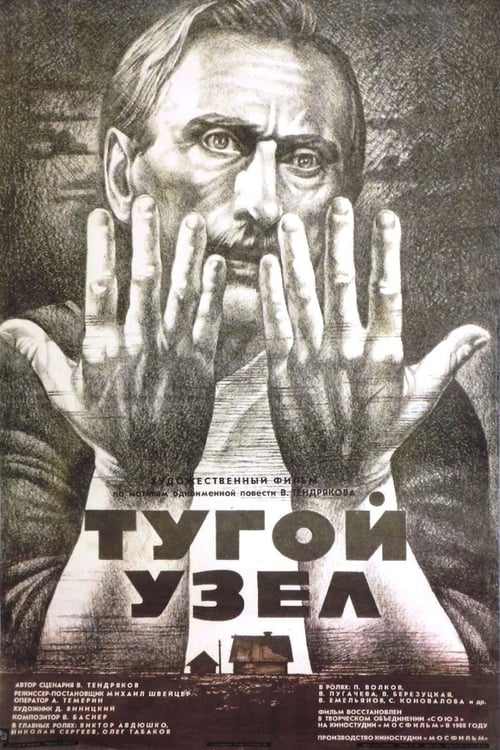
The Tight Knot is a period drama set in the social realism of 1950s Soviet life. Its narrative focuses on communal responsibility and the reconfiguration of family roles in an agricultural community. Since the film emphasizes state-aligned social structures and institutional care, it does not challenge traditional norms, resulting in lower diversity scores. Characters play traditional roles within a collective framework. Ultimately, the film highlights social stability rather than promoting characters who reflect more than one aspect of diversity or disrupting conventional norms.
Category Breakdown
The film does not include any representation of LGBTQ+ identities. The narrative seems to follow the traditional social norms prevalent in Soviet cinema from the 1950s.
The role of a deceased female secretary is mentioned, but the film does not challenge traditional gender roles from the mid-20th century. The characters seem to adhere to the gender norms of the time.
The cast likely reflects the ethnic makeup of the specific rural area depicted. There is no indication of diverse casting or symbolic representations of ethnic variety.
The story centers around the principles of Soviet collectivism and state institutions. It emphasizes social stability and communal duty rather than critiquing systemic oppression.
There is no information available regarding the depiction of physical or neurodivergent characters in this production.
Present on Screen
Limited or Absent
Official Synopsis
The farm's chairman took the late secretary's teenage son into his house.
1958

1930
1973
1997
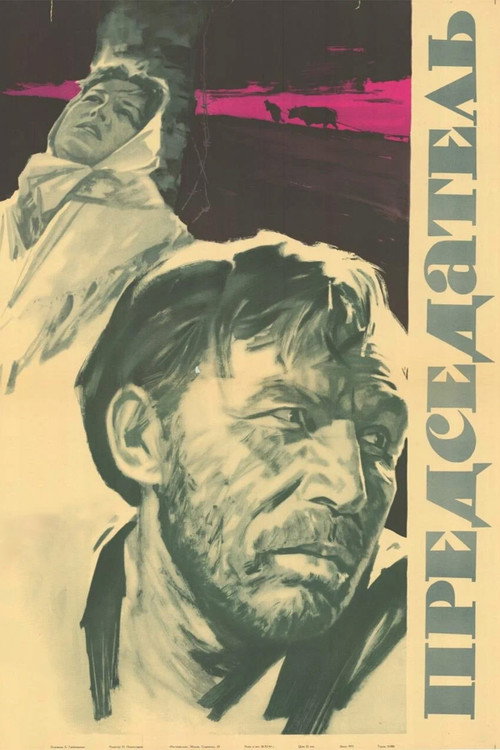
1964
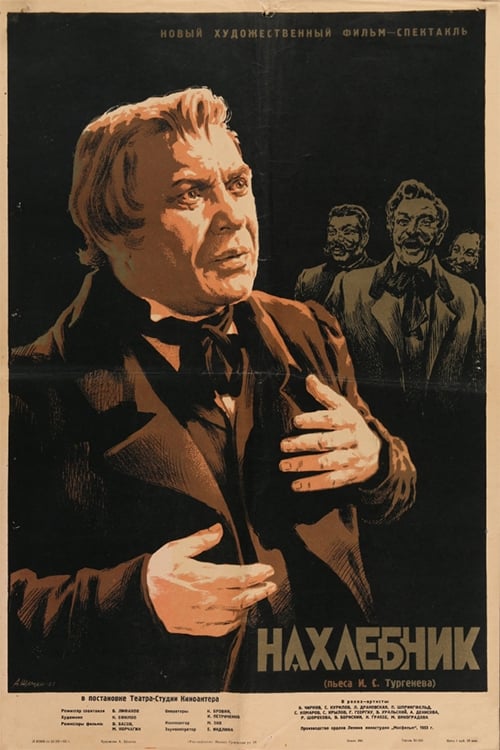
1953
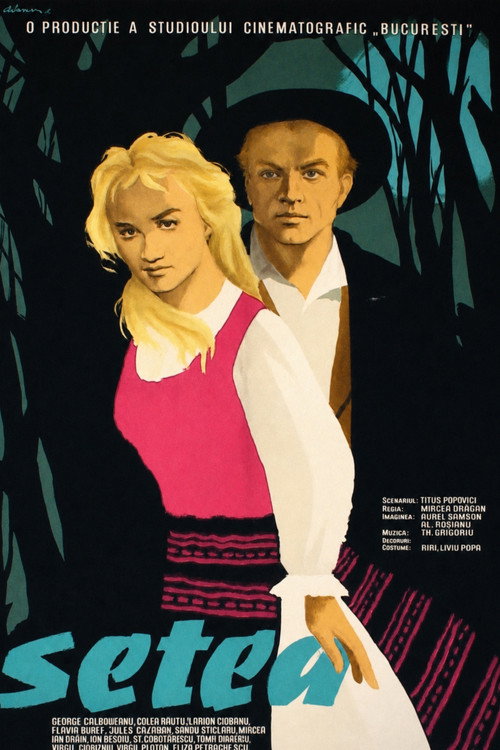
1960
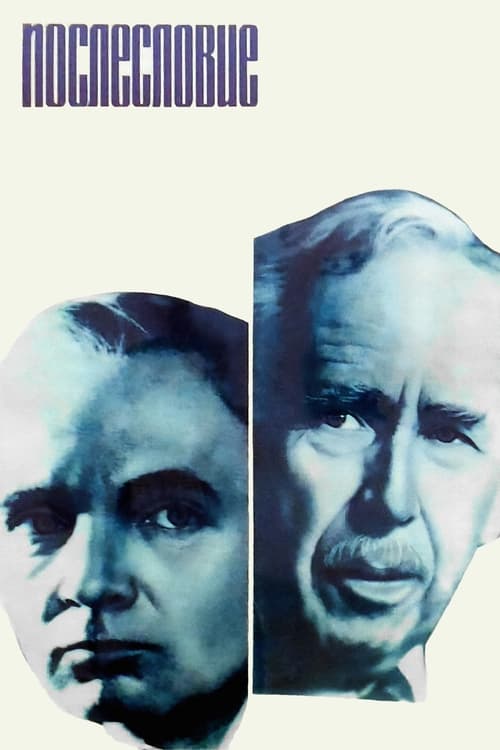
1983
No reviews yet. Be the first to share your thoughts on this movie!
Use the rating form above to leave a star rating and optional review.