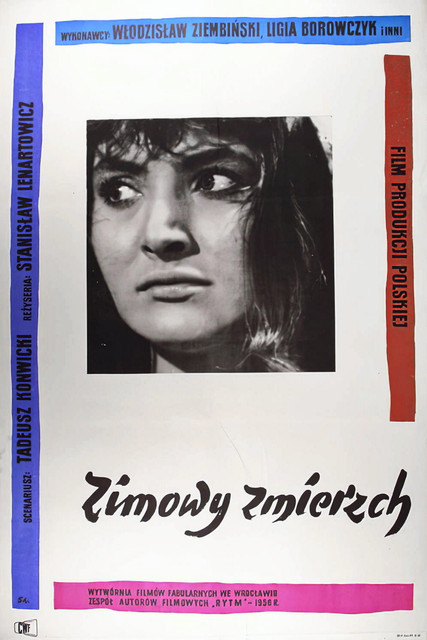
Winter Twilight
1957
No user ratings available yet
Representation score: 3.3 out of 10
Representation Score
Limited
1958
Director
Marlen Khutsiyev
Runtime
84 minutes
Average Rating
No ratings yetNew Showbiz Analysis
This film represents a shift in Soviet cinema, moving from rigid Socialist Realism to a more lyrical, humanist style. It replaces the monolithic 'superman' archetype with emotionally complex and independent characters. Though it does not include modern markers like LGBTQ+ identities or racial diversity, the film remains progressive for its time. Its strength lies in its exploration of unconventional domestic bonds and the rebuilding of community in a post-war setting. Ultimately, the film's value is found in its nuanced portrayal of emotional complexity and individual ability to act.
Category Breakdown
The film centers on heterosexual relationships between Fedor, the child, and Natacha. There are no characters with non-binary gender identities or same-sex relationships.
Male characters display significant emotional vulnerability, breaking the traditional heroic worker stereotype. Natacha takes control of her situation by navigating and integrating into the existing family unit.
The cast is relatively uniform, reflecting the socioeconomic context of post-war Soviet society. There is no indication of racial diversity or mixed ethnic backgrounds.
The film emphasizes humanism and psychological realism rather than strict state-imposed morality. It examines social outsiders through the unique bond between an adult and a homeless child.
There is no depiction of physical or cognitive disabilities in the film.
Present on Screen
Limited or Absent
Official Synopsis
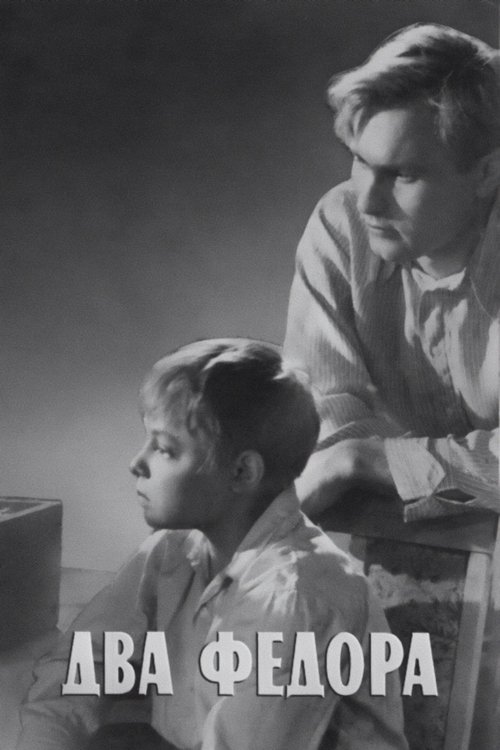
At the end of the Second World War, Fedor is demobilized and returns home where he meets a homeless boy, small Fedor. They decide to live together. The adult works in the building trade and the boy goes to school and looks after the house. They get on very well until Natacha arrives in big Fedor's life. After marrying big Fedor, Natacha tries to win the child's love. But he remains hostile.
1957
1961
1959

1950
1983

1988
1964
1978
No reviews yet. Be the first to share your thoughts on this movie!
Use the rating form above to leave a star rating and optional review.