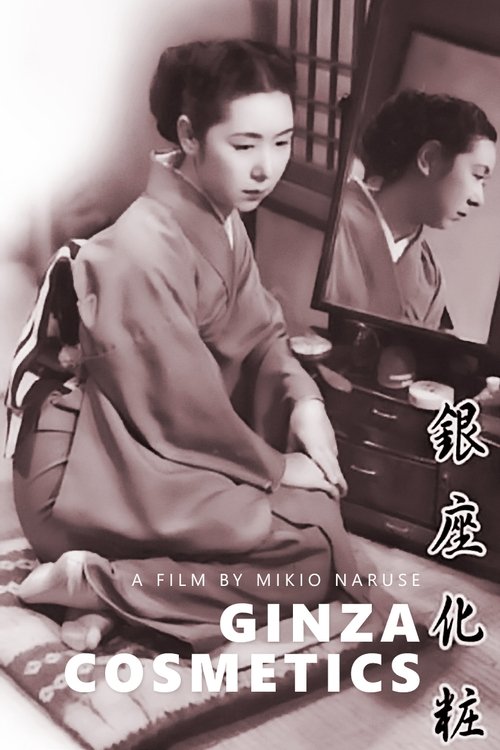
Ginza Cosmetics
1951
No user ratings available yet
Diversity score: 5.7 out of 10
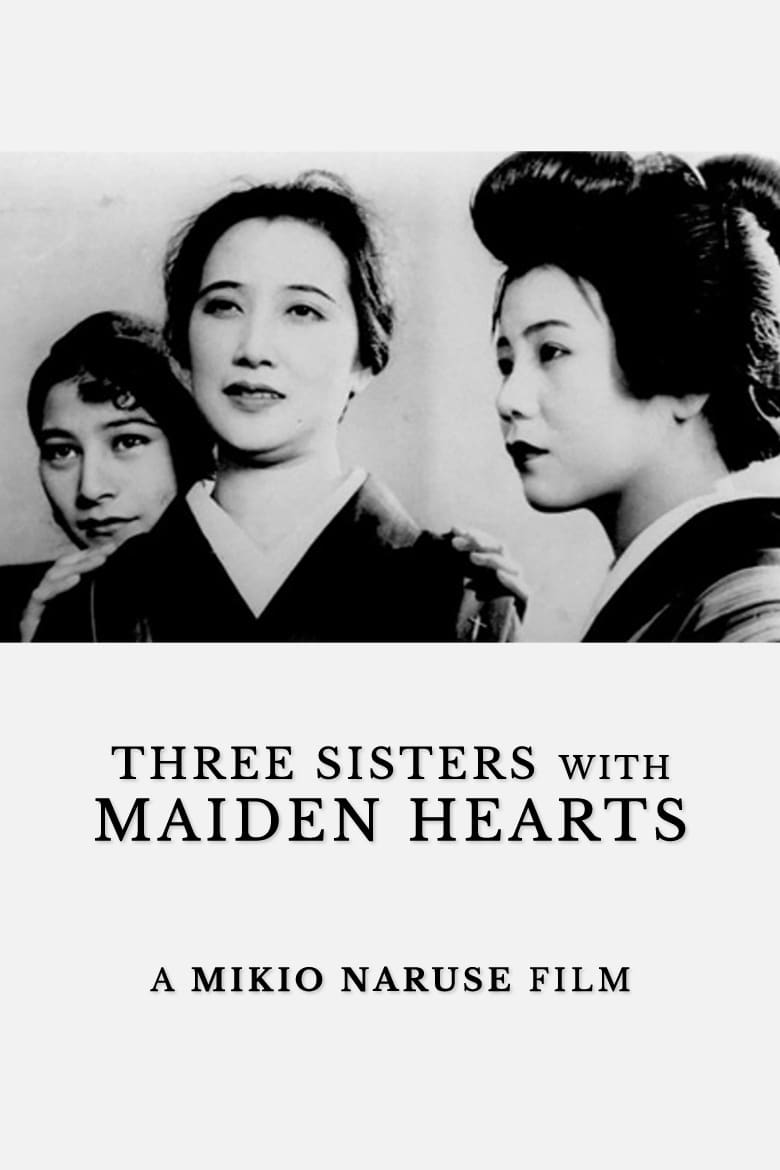
1935
Director
Mikio Naruse
Runtime
75 minutes
Average Rating
No ratings yetSynopsis
Three sisters earn money for their bossy mother by being samisen street musicians. This means mainly playing a banjo type instrument for tips in bars...
Overall Score
Fair
Category Breakdown
LGBTQ+ Representation
The film offers no evidence of non-heteronormative identities or queer subtext. The score reflects a neutral baseline within the era's cinematic constraints.
Gender Representation
The story centers on three female protagonists who act as the primary economic drivers for their household. This shifts agency away from traditional patriarchal structures toward a female-centric collective.
Racial & Ethnic Diversity
Set in 1930s Japan, the film provides a culturally specific look at Japanese social strata. It lacks modern intersectional casting but remains rooted in its historical context.
Religious & Cultural Diversity
The narrative explores domestic friction and economic survival through the sisters' work as street musicians. It depicts a struggle against rigid social expectations and traditional maternal authority.
Disability Representation
There are no specific details regarding characters with physical or neurodivergent disabilities.
Strengths
Areas for Improvement
AI Analysis
Mikio Naruse’s drama provides a compelling look at female agency by centering the plot on the economic labor of three sisters. By focusing on their struggle against a bossy mother, the film subverts traditional patriarchal hierarchies in favor of a female-driven narrative. However, the film is limited by its historical context, offering no visible representation of LGBTQ+ identities or disability. While it excels in exploring gendered power dynamics and domestic friction, it remains a product of 1930s Japanese social norms.
1951

1936
1962

1935
1960
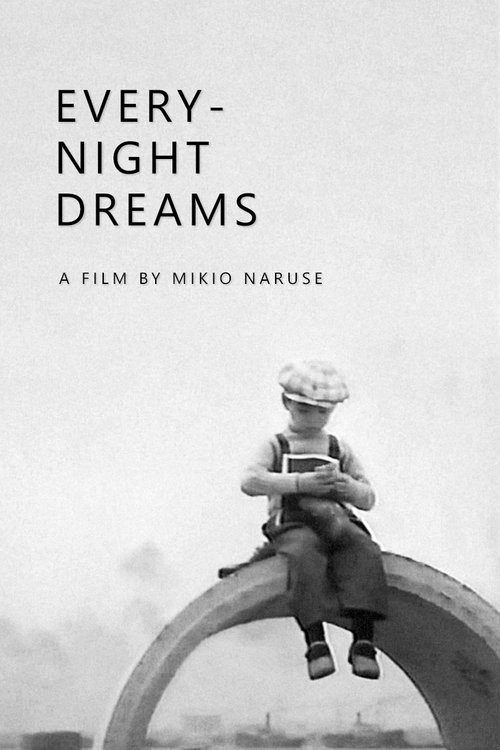
1933
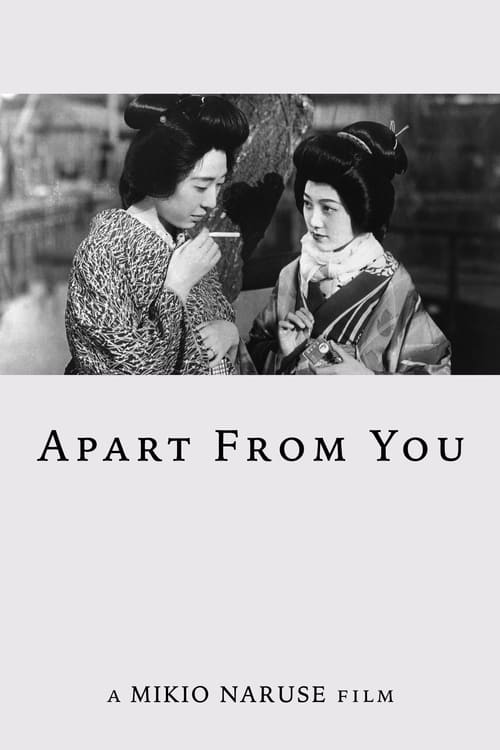
1933

1935

1950
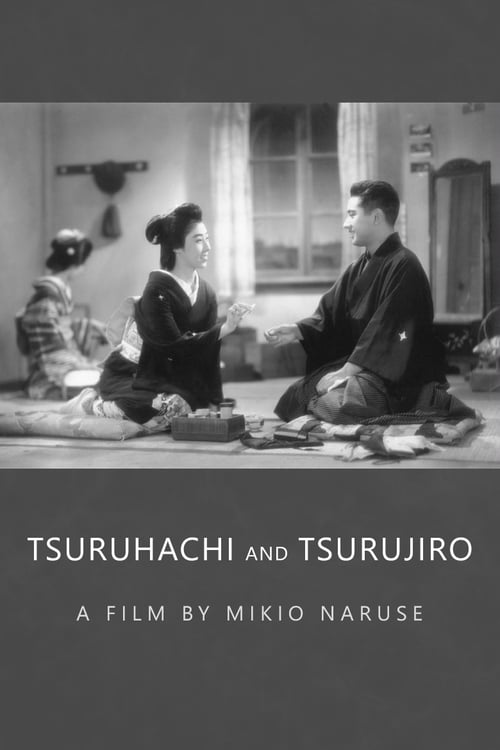
1938

1960
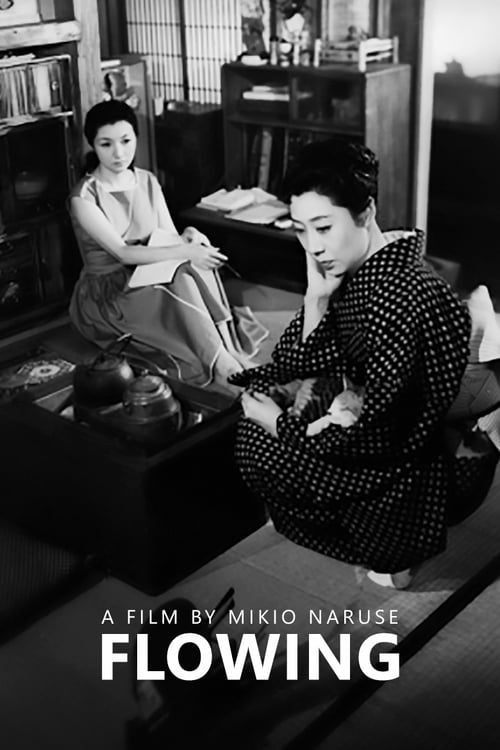
1956
No reviews yet. Be the first to share your thoughts on this movie!
Use the rating form above to leave a star rating and optional review.