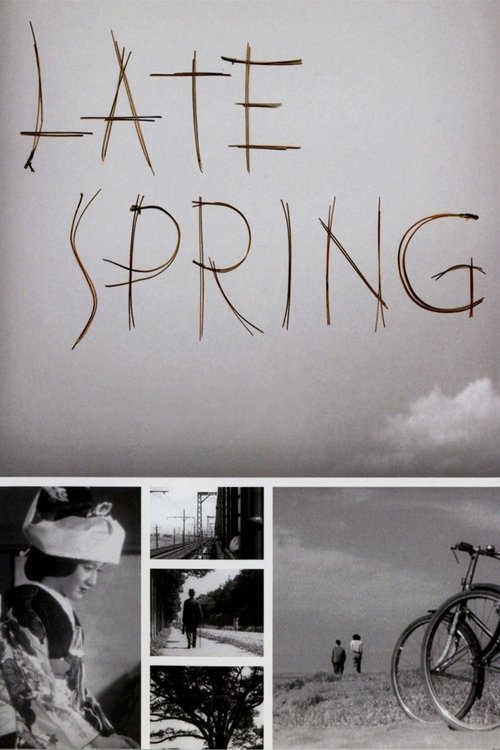
Late Spring
1949
No user ratings available yet
Representation score: 2.8 out of 10
Representation Score
Minimal
1952
Not RatedDirector
Yasujirō Ozu
Runtime
116 minutes
Average Rating
No ratings yetNew Showbiz Analysis
Yasujirō Ozu’s work provides a disciplined, formalist look at the quiet dissolution of traditional family units. The film excels as a meditative study of mid-century social stability and the subtle tensions of a changing Japan. However, it remains rooted in a conventional framework, prioritizing the observation of established social structures rather than challenging systemic hierarchies or including multi-layered identities. Ultimately, the film serves as a profound look at domestic life but lacks the progressive complexity found in more diverse modern narratives.
Category Breakdown
The film focuses solely on heterosexual marriage structures and does not include any LGBTQ narratives or non-cisgender identities.
The narrative explores tension between high-society femininity and traditional domestic roles. While the woman's temperament drives the conflict, the film observes rather than challenges existing gender hierarchies.
Set in post-war Japan, the film depicts a culturally homogeneous middle-class environment. It lacks diverse casting or representations of ethnic diversity.
The story documents Japan's transition into a consumerist reality while emphasizing social harmony. It prioritizes domestic order and traditional values regarding family stability.
No visible or invisible disabilities are portrayed within the character arcs or the plot progression.
Present on Screen
Limited or Absent
Official Synopsis
The arranged marriage between a capricious woman from Tokyo high society and a quiet rustic man is tested by a marital crisis.
1949
1951
1962
1951
1954
1937
1960
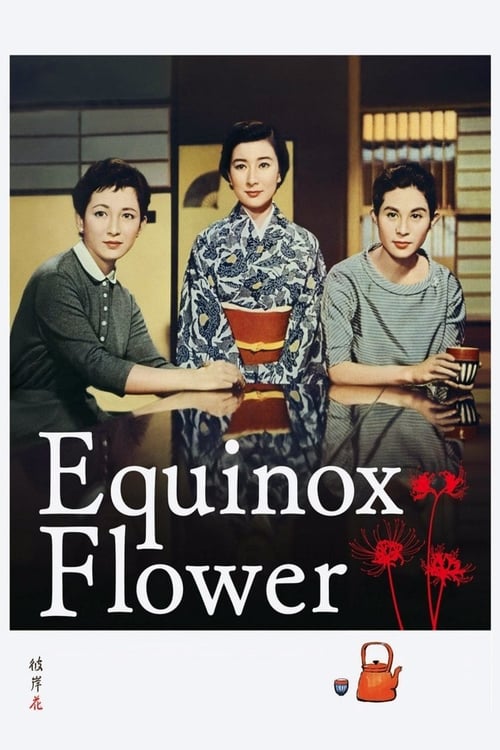
1958
No reviews yet. Be the first to share your thoughts on this movie!
Use the rating form above to leave a star rating and optional review.