Where Once We Walked
2011
No user ratings available yet
Representation score: 3.0 out of 10
Representation Score
Limited
1968
Director
Edvin Laine
Runtime
186 minutes
Average Rating
No ratings yetNew Showbiz Analysis
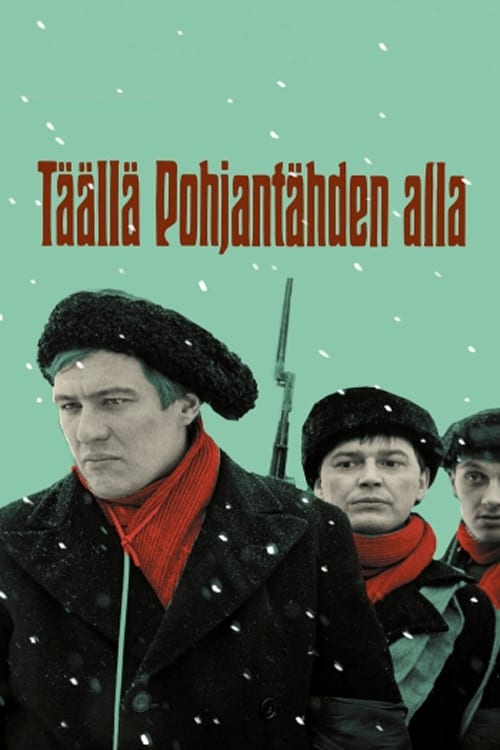
Edvin Laine’s historical drama examines Finnish identity through the lens of class dynamics and socio-economic pressures. It successfully critiques the idea of a unified national identity by focusing on the transition from tenant farming to civil conflict. However, the film lacks modern markers of diversity. It is ethnically homogeneous and does not include LGBTQ+ representation, reflecting the historical setting and the era of its production. The narrative remains rooted in traditional social structures. Ultimately, the film's strength lies in its critique of socio-economic hierarchies, though it falls short in terms of broad identity representation.
Category Breakdown
The film does not include any LGBTQ+ characters or themes. It focuses on traditional family structures within a tenant farmer class, reflecting the social norms of the late 19th and early 20th centuries.
The story centers around a tenant farmer family, likely emphasizing traditional domestic and agricultural roles. Women may gain a significant role during the civil war, but the film follows the gender hierarchies of the time.
The cast is ethnically uniform, reflecting the specific socio-political environment of a Finnish village. The narrative focuses on local historical changes rather than a diverse ethnic spectrum.
The film effectively explores the class struggle and the friction between different social groups during a period of intense systemic inequality. It deconstructs established power structures through the lens of class struggle.
There is no evidence that disability is a central theme. Characters with disabilities are not used as primary plot devices in this historical drama.
Present on Screen
Limited or Absent
Official Synopsis
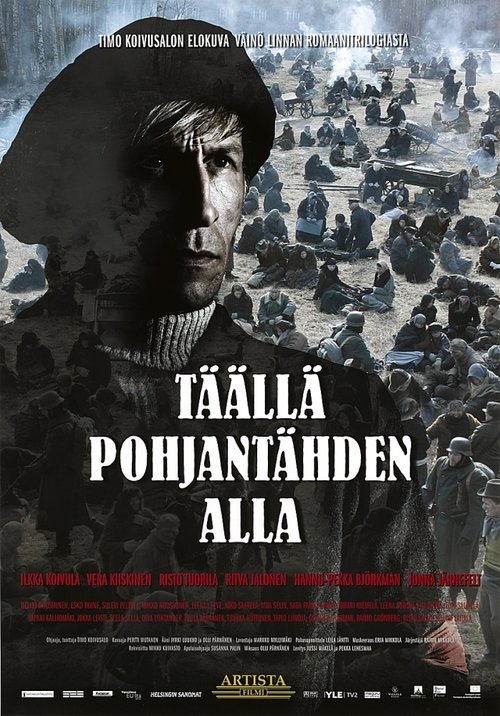
Täällä Pohjantähden alla is based on the book with the same title. It is a story of the little village. The movie starts in the 1890's and it ends to the Finnish civil war in 1918. Story concentrates around a tenant farmer family, although it gives us a good look at the society at whole. While the class struggle depends, people of the village are driven to bloody civil war.
2011
2020
1942
1949
1997
2009
2009
1965
No reviews yet. Be the first to share your thoughts on this movie!
Use the rating form above to leave a star rating and optional review.