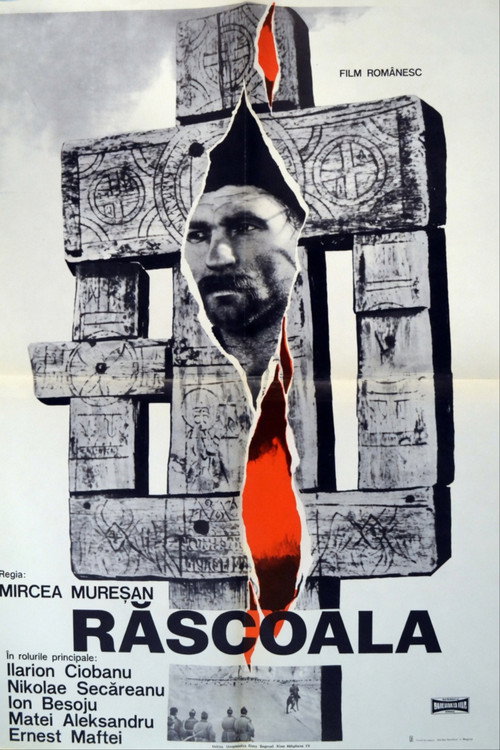
The Uprising
1966
No user ratings available yet
Representation score: 5.7 out of 10
Representation Score
Fair
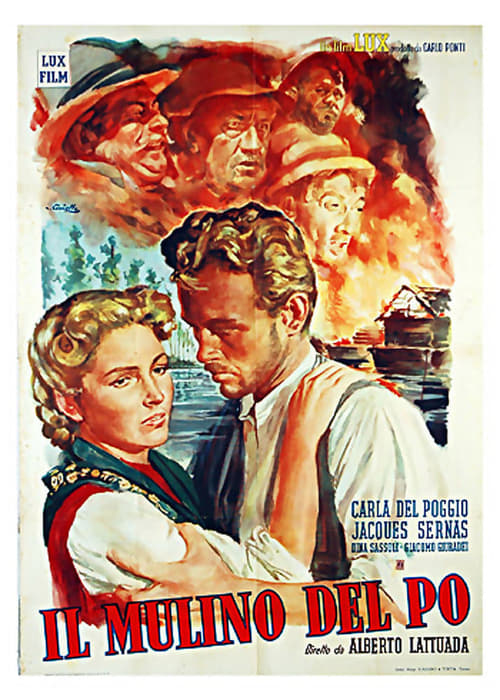
1949
Director
Alberto Lattuada
Runtime
98 minutes
Average Rating
No ratings yetNew Showbiz Analysis
Alberto Lattuada’s drama stands out as a critique of socioeconomic hierarchies rather than a straightforward period piece. It employs the framework of Italian Neorealism to highlight systemic pressures of class and land ownership. The film shines in its portrayal of character's ability to drive the story, especially through Maria, who challenges restrictive gender roles. However, the film is limited by the demographic realities of its historical setting, leading to a lack of racial and LGBTQ+ diversity. Ultimately, the film explores how economic entrapment shapes human behavior. It excels in cultural commentary by depicting the breakdown of traditional social orders as a result of class struggle.
Category Breakdown
The film focuses solely on heterosexual relationships and does not depict any LGBTQ+ identities or same-sex intimacy. It adheres to traditional romantic tensions without showing any non-cisgender identities.
Maria challenges the traditional peasant archetype by prioritizing her personal autonomy and desires over economic stability through marriage. Her character disrupts patriarchal structures by emphasizing personal choice.
The cast is ethnically uniform, reflecting the 19th-century Po Valley setting. The film does not include actors of diverse ethnicities or backgrounds.
The film critiques power structures and landowning dominance, framing peasant desperation and social breakdown as valid responses to systemic economic oppression.
The film does not focus significantly on neurodivergence or physical disabilities. Physical hardships are used to signify class struggles rather than exploring specific disability identities.
Present on Screen
Limited or Absent
Official Synopsis
In the Po Valley during the 19th century, a rich girl engaged to a well-to-do farmer ends up penniless and is forced to work for her fiancé’s relatives. Peasant unrest, carried to extremes by both workers and landowners, leads to violence and tragedy.
1966
1978
1942
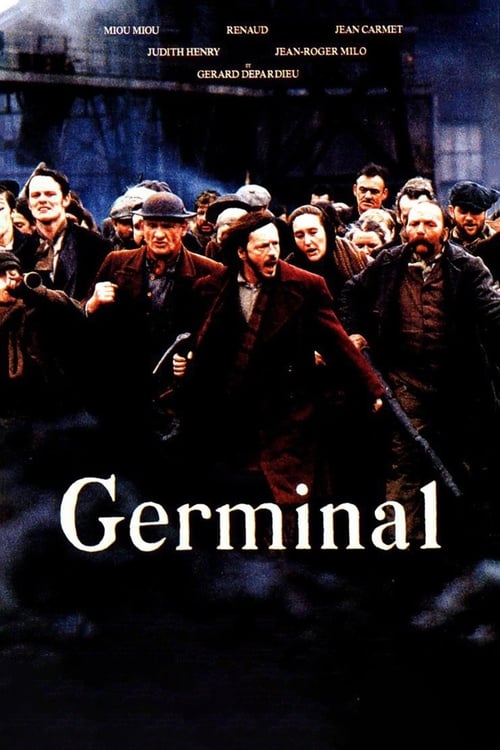
1993
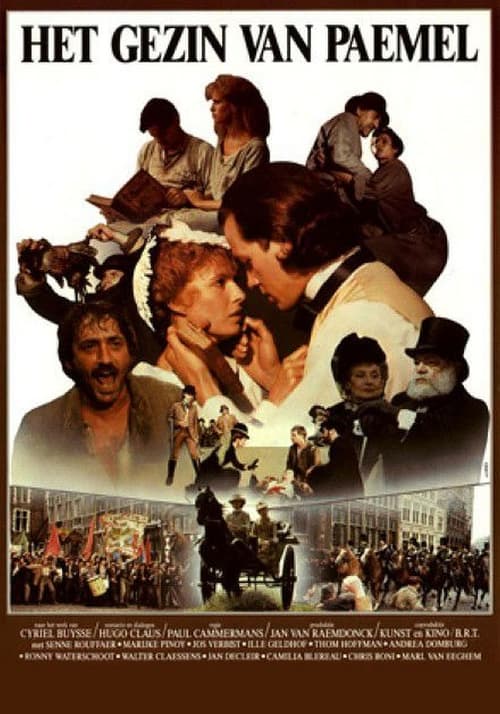
1986
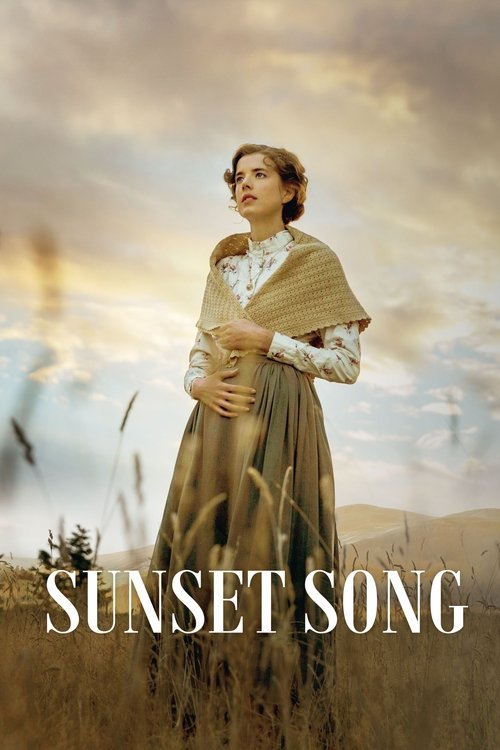
2015
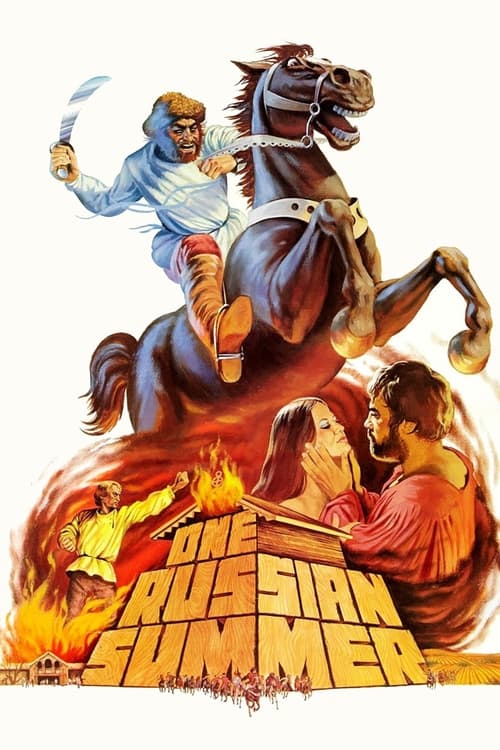
1973

1974
No reviews yet. Be the first to share your thoughts on this movie!
Use the rating form above to leave a star rating and optional review.