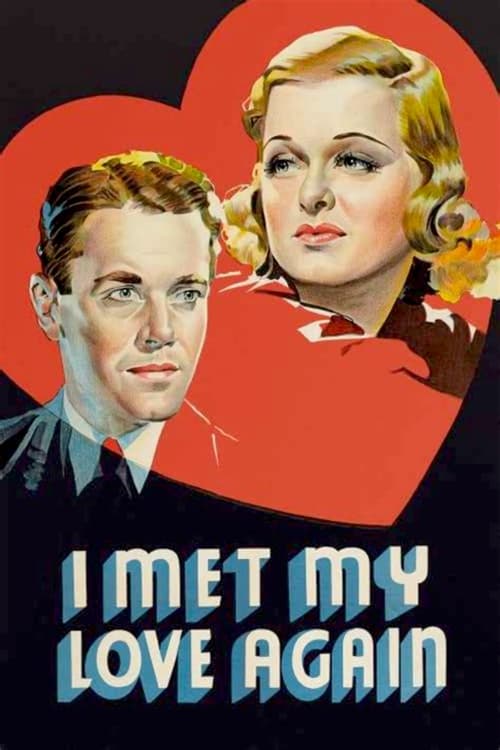
I Met My Love Again
1938
No user ratings available yet
Representation score: 1.4 out of 10
Representation Score
Minimal
1933
NRDirector
Henry King, William Cameron Menzies
Runtime
80 minutes
Average Rating
No ratings yetNew Showbiz Analysis
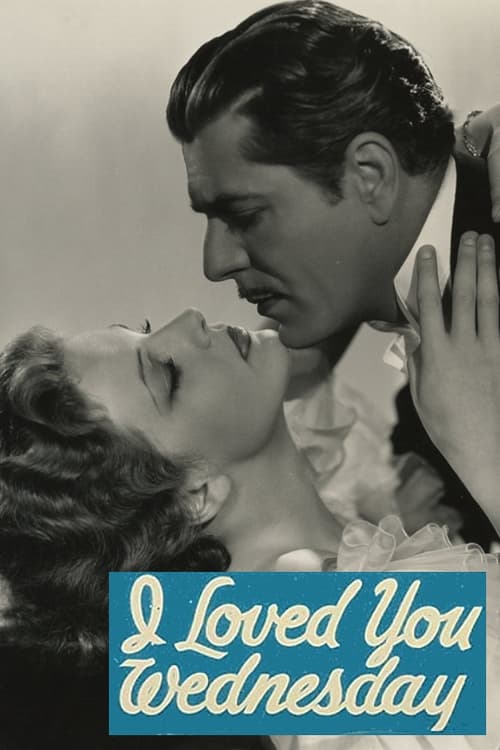
I Loved You Wednesday is a typical period romance that prioritizes traditional courtship and social decorum. The narrative structure relies on well-worn clichés of infidelity and romantic pursuit rather than challenging existing social hierarchies. The film's global settings, including Paris and South America, function more as scenic elements for the American protagonists than as opportunities for meaningful cultural engagement. This limits the film's depth regarding diverse representation. Ultimately, the film reflects the standard gendered and social expectations of 1930s studio cinema, focusing on interpersonal stability and navigating 'sophistication' rather than systemic subversion.
Category Breakdown
The story centers around traditional romantic relationships and courtship. There are no representations of non-binary genders or critiques of heterosexuality within the plot.
Vicki Meredith takes control of her life by leaving her partner, but her actions are driven by romantic disappointment. The narrative follows a conventional path influenced by male actions and societal norms.
Despite visiting Paris, South America, and New York, the characters are predominantly American. These international locations serve mainly as scenic backdrops rather than opportunities for exploring diverse cultures.
The storyline emphasizes personal morality and the social repercussions of infidelity. It operates within the moral boundaries of the 1930s without questioning Western institutions.
There are no visible or invisible disabilities mentioned or depicted within the character arcs.
Present on Screen
Limited or Absent
Official Synopsis
Vicki Meredith, an American ballet student in Paris, falls in love with Randall Williams, another American studying architecture in Paree, and they set up some light housekeeping together until she learns that Randall has forgotten to mention that he has a wife back in the USA. This miffs Vicki to the point where she ups and heads for South America where she meets and falls in love with Philip Fletcher, a construction engineer from America. But he hustles off to build Boulder Dam. They meet again in New York City and discover their separation has made their love even stronger. Then, Randall and his wife show up and sophistication rears its ugly head.
1938
1939
1931

1923
1934
1934
1932
1933
No reviews yet. Be the first to share your thoughts on this movie!
Use the rating form above to leave a star rating and optional review.