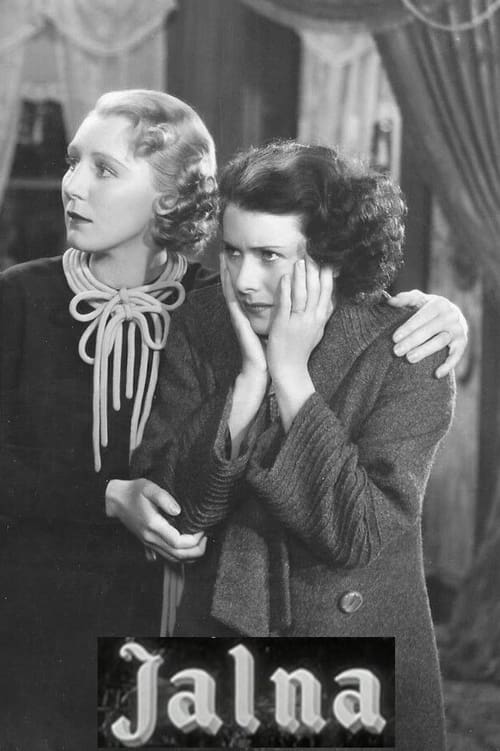
Jalna
1935
No user ratings available yet
Representation score: 0.4 out of 10

Representation Score
Minimal
1933
NRDirector
King Vidor
Runtime
89 minutes
Average Rating
No ratings yetNew Showbiz Analysis
The Stranger's Return operates as a traditional melodrama focused on romantic transgressions and moral dilemmas. Although the female protagonist serves as a central emotional focal point, the narrative structure remains anchored in the social norms of the early 1930s. The film emphasizes interpersonal conflicts and the repercussions of violating marital sanctity. This emphasis suggests a narrative that reinforces established social hierarchies rather than challenging them through diverse perspectives. Overall, the work adheres to the conventions of the era's studio system. It lacks the depth needed to explore multiple layers of identity or move beyond the standard clichés of early 20th-century cinema.
Category Breakdown
The film centers on a traditional heterosexual romance and does not include any characters with non-cisgender identities or narratives that challenge the assumption that everyone is straight.
The story features a female protagonist who drives the narrative forward. However, her journey is largely shaped by her romantic involvement with a married man.
The film is set in a Midwest farm environment that likely depicts a predominantly white community. It follows the typical demographic patterns of 1930s Hollywood.
The plot delves into the social tensions surrounding a divorcée. The central conflict likely upholds traditional views on marriage rather than challenging social hierarchies.
There are no characters with physical or neurodivergent disabilities in the narrative.
Present on Screen
Limited or Absent
Official Synopsis
A divorcée leaves New York to visit her grandfather's farm and recover in the Midwest, where she unexpectedly falls in love with a married farmer.
1935

1930

1937

1952

1932

1932

1936

1935
No reviews yet. Be the first to share your thoughts on this movie!
Use the rating form above to leave a star rating and optional review.