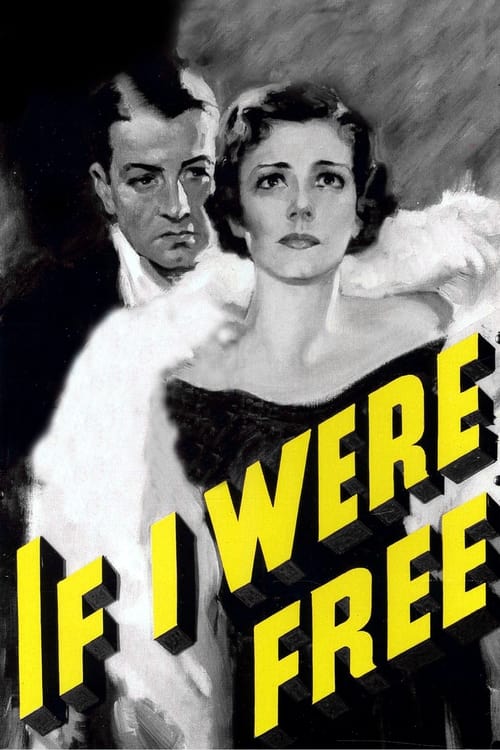
If I Were Free
1933
No user ratings available yet
Representation score: 0.6 out of 10

Representation Score
Minimal
1934
NRDirector
Clarence Brown
Runtime
76 minutes
Average Rating
No ratings yetNew Showbiz Analysis
Chained is a classic example of early 20th-century cinema, emphasizing individual romantic conflicts and class-based melodrama. The narrative operates within a closed social ecosystem that reinforces the demographics of the time. The film follows traditional storytelling methods, focusing on marriage, social respectability, and romantic loyalty. It does not challenge existing hierarchies or disrupt cultural norms, staying within established legal and social frameworks. Overall, the film lacks complexity in addressing multiple aspects of identity and does not offer critiques of systemic issues.
Category Breakdown
The film focuses solely on heterosexual relationships. There is no representation of LGBTQ+ identities or same-sex relationships.
The female lead shows emotional depth but her actions are influenced by male characters. The power dynamics are dominated by male-driven financial and social influence.
The cast primarily features white, upper-class characters. There is no significant racial diversity or inclusion of actors from different backgrounds.
The story upholds traditional Western social structures and class status. It does not critique capitalism or Western institutions, focusing instead on conventional moral values.
There is no depiction of disabilities. Characters are shown through typical physical and mental health standards of the 1930s.
Present on Screen
Limited or Absent
Official Synopsis
Richard, a millionaire in love with his secretary, Diane, is dispirited when his wife refuses to divorce him. Concerned that Diane will now lose interest, Richard offers her an all-expense-paid cruise to Argentina so that she can think it over. While traveling, however, Diane falls in love with fellow traveler Mike. She resolves to come clean to Richard, but upon return she becomes conflicted when she finds out he was able to get divorced after all.
1933
1934

1934

1923

1937

1952

1931

1933
No reviews yet. Be the first to share your thoughts on this movie!
Use the rating form above to leave a star rating and optional review.