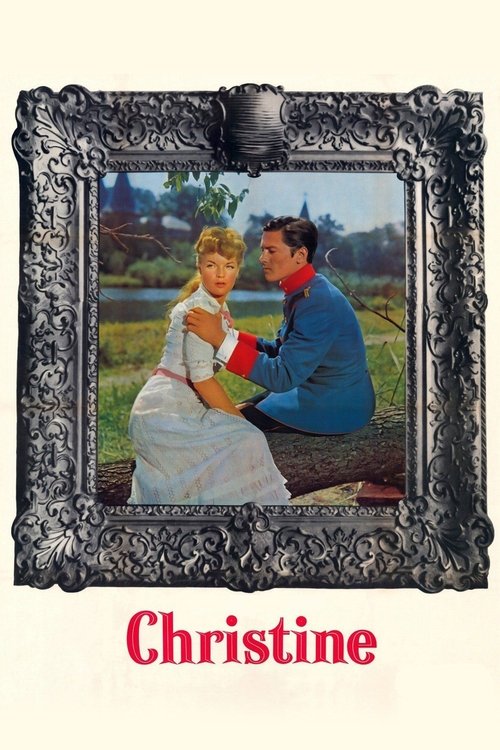
Christine
1958
No user ratings available yet
Representation score: 0.4 out of 10
Representation Score
Minimal
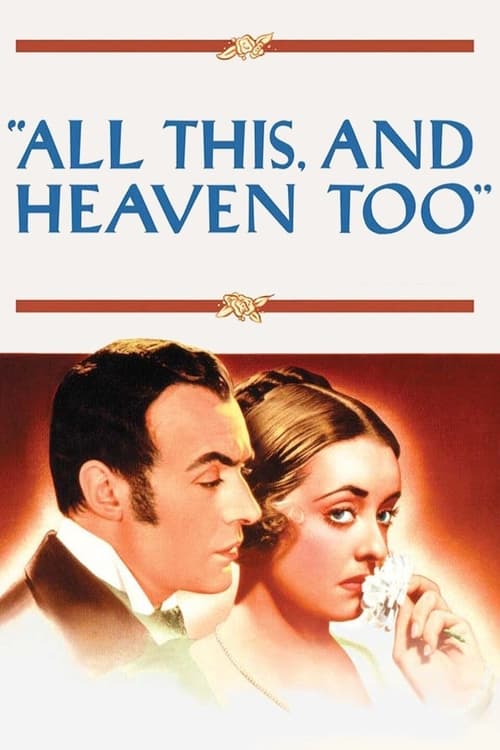
1940
NRDirector
Anatole Litvak
Runtime
141 minutes
Average Rating
No ratings yetNew Showbiz Analysis
Anatole Litvak’s melodrama is a conservative period piece that reinforces the social and gendered hierarchies of its era. The narrative is built around traditional romantic tragedy and domestic stability, leaving little room for systemic critique or diverse perspectives. The film operates within a rigid framework of 19th-century aristocracy. It prioritizes the emotional intensity of class-based decorum and the 'nurturing female' stereotype, which limits the scope of its character development to established social roles. Ultimately, the work functions as a product of its time, lacking the intentionality to disrupt racial homogeneity or traditional gender norms. It remains a sentimental exploration of virtue and tragedy within a very narrow social lens.
Category Breakdown
The film adheres to a structure that assumes everyone is straight and cisgender, focusing solely on the romantic tension between the Duke and the governess without any hints of LGBTQ+ identities.
The story relies on traditional domestic archetypes and gendered stereotypes. While Henriette takes control as a caregiver, the conflict centers on the Duchess's perceived instability and the Duke's social authority.
Set in 19th-century Europe, the film features a homogeneous white cast. It portrays the white aristocracy as the default social norm without any visible minority characters.
This period melodrama upholds social hierarchies and class-based decorum. It emphasizes duty and social standing rather than challenging Western institutions or traditionalist frameworks.
Physical vulnerability is used primarily as a sentimental plot device. A child's near-death illness serves to demonstrate the governess's virtue rather than providing meaningful disability representation.
Present on Screen
Limited or Absent
Official Synopsis
When lovely and virtuous governess Henriette Deluzy comes to educate the children of the debonair Duc de Praslin, a royal subject to King Louis-Philippe and the husband of the volatile and obsessive Duchesse de Praslin, she instantly incurs the wrath of her mistress, who is insanely jealous of anyone who comes near her estranged husband. Though she saves the duchess's little son from a near-death illness and warms herself to all the children, she is nevertheless dismissed by the vengeful duchess as the attraction between the duke and Henriette continues to grow.
1958
1953
1930

1935

1936

1952
1948
1945
No reviews yet. Be the first to share your thoughts on this movie!
Use the rating form above to leave a star rating and optional review.