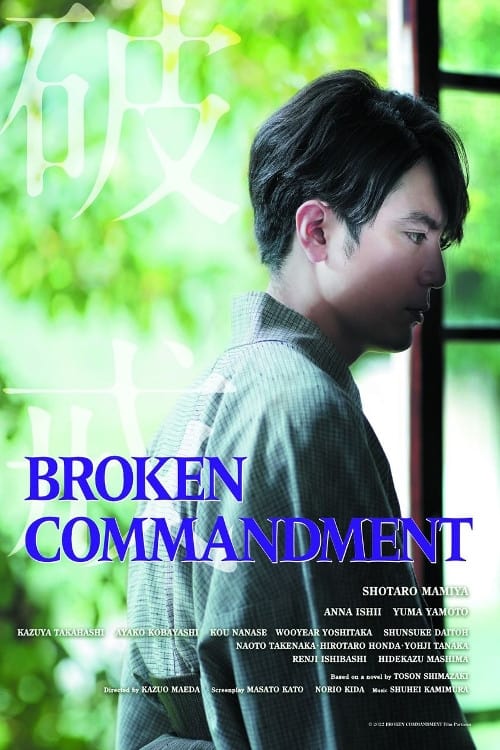
The Broken Commandment
2022
No user ratings available yet
Representation score: 5.9 out of 10

Representation Score
Fair
1962
Director
Kon Ichikawa
Runtime
119 minutes
Average Rating
No ratings yetNew Showbiz Analysis
The film serves as a sophisticated psychological drama that scrutinizes social structures rather than focusing on simple moral tales. By centering a character underrepresented by a rigid caste system, it deconstructs established norms and explores the tension between individual identity and societal frameworks. While the film lacks representation for LGBTQ+ identities and modern disability frameworks, it offers a profound engagement with systemic discrimination.
Category Breakdown
The film focuses on traditional heterosexual relationships and does not include any characters with LGBTQ+ identities or non-cisgender identities.
The story centers on the male protagonist's psychological struggle with social hierarchies and gendered expectations around infidelity and status.
The cast is ethnically homogeneous, reflecting the historical Japanese setting. However, the film explores caste-based discrimination and the impact of systemic identity concealment.
The narrative critiques traditional institutions by examining the psychological cost of maintaining social status quo through the lens of systemic oppression.
There is no significant evidence regarding the portrayal of visible or invisible disabilities in the film.
Present on Screen
Limited or Absent
Official Synopsis
Ushimatsu's father told him never to reveal his lower-caste heritage; years later, he now contemplates confiding in an activist fighting against such discrimination.
2022

1956
1955
1936
1959
1948
1954
1959
No reviews yet. Be the first to share your thoughts on this movie!
Use the rating form above to leave a star rating and optional review.