
Swap Shinsatsushitsu: Mitsu-shibuki
1986
No user ratings available yet
Representation score: 4.8 out of 10
Representation Score
Excellent
1959
Director
Kon Ichikawa
Runtime
107 minutes
Average Rating
No ratings yetNew Showbiz Analysis
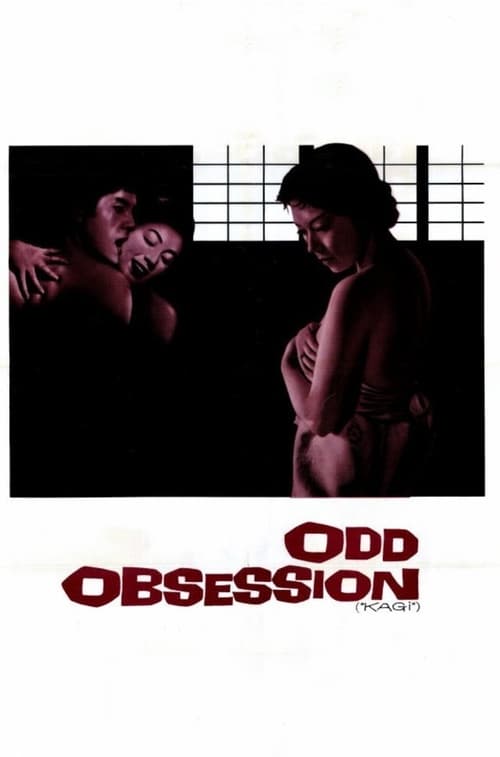
Kon Ichikawa’s film is a sophisticated deconstruction of social and domestic structures. It challenges traditional gender hierarchies by portraying a husband's struggle to meet masculine expectations. The film also offers a non-Western perspective, standing apart from the Western cinematic conventions of the 1950s. It uses moral relativism to question the stability of the traditional family unit. However, the film's exploration of dysfunction focuses mainly on male psychological crises and lacks nuanced representation of disability or multi-layered racial diversity.
Category Breakdown
The film explores non-traditional sexual dynamics but does not include explicit LGBTQ+ identities or diverse gender expressions. It disrupts typical marriage expectations but lacks nuanced queer representation.
The narrative challenges traditional gender roles by focusing on a husband's struggle to meet masculine expectations. The wife's role destabilizes the usual hierarchy and challenges conventional ideas of masculinity.
As a Japanese New Wave production, the film provides a non-Western perspective. However, the cast is ethnically uniform, and there is no blending of different racial backgrounds.
The story questions the sanctity of marriage and traditional social norms. It embraces moral relativism and critiques the conventional family structure.
Sexual impotence is used as a central element in the psychological drama, serving primarily as a narrative device to explore male crises.
Present on Screen
Limited or Absent
Official Synopsis
A middle-aged husband of a younger woman finds her youth intimidating to the point that he cannot become aroused. His solution involves the introduction of his daughter's lover to his wife.
1986

1960

1969
1961

1967

1962
2022

1992
No reviews yet. Be the first to share your thoughts on this movie!
Use the rating form above to leave a star rating and optional review.