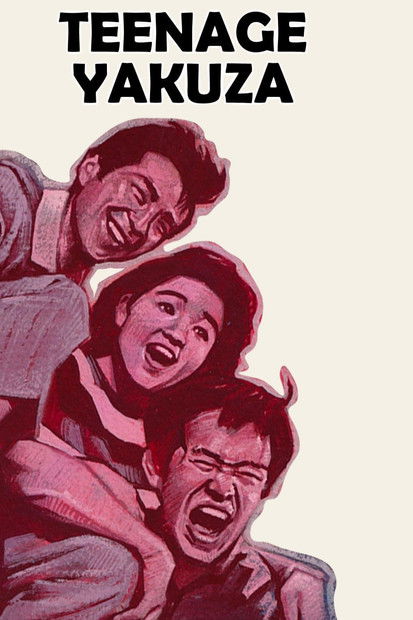
Teenage Yakuza
1962
No user ratings available yet
Representation score: 2.0 out of 10
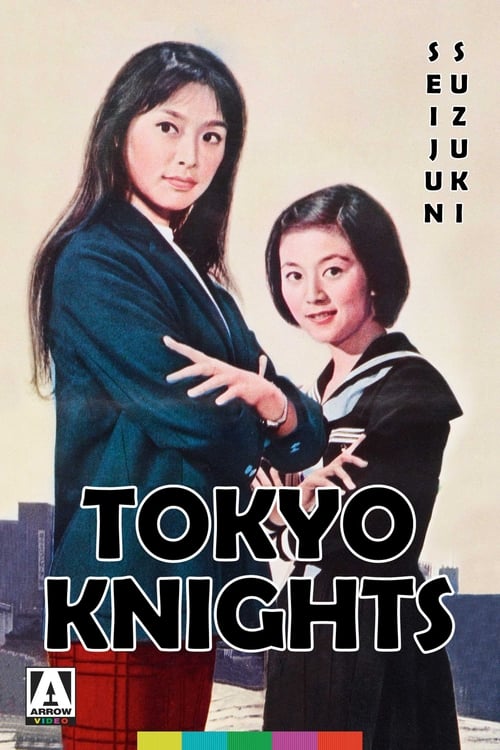
Representation Score
Limited
1961
Not RatedDirector
Seijun Suzuki
Runtime
81 minutes
Average Rating
No ratings yetNew Showbiz Analysis
Tokyo Knights is a genre study of systemic inheritance and transition. The film operates within the social and cinematic constraints of 1961, focusing on the friction between individual ability to act and inherited roles. While the film lacks overt markers of diverse identities, Suzuki’s stylistic approach suggests an interest in challenging traditional social hierarchies. The narrative primarily explores the movement from academic life into the patriarchal world of organized crime. Ultimately, the film reflects the era's focus on domestic social structures, offering a localized view of power and tradition rather than a diverse or multi-ethnic perspective.
Category Breakdown
The film does not depict non-straight relationships or same-sex intimacy explicitly. It follows the traditional genre conventions of 1961 Japanese crime cinema.
Male characters play a central role, focusing on a male protagonist entering a patriarchal crime hierarchy. This emphasizes the leadership roles typical of the era's yakuza films.
The production maintains a homogeneous social landscape centered on domestic Japanese structures. It avoids Western-centric perspectives but lacks a multi-ethnic cast.
The narrative explores the tension between modern institutions and corrupt traditional systems. It critiques the interplay between heritage and systemic illegality through the protagonist's journey.
There is no evidence of characters with physical or neurodivergent disabilities within the narrative.
Present on Screen
Limited or Absent
Official Synopsis
A college student takes over the family business in the field of organised crime.
1962
1967
1963
1966
1963

1966
1961

1961
No reviews yet. Be the first to share your thoughts on this movie!
Use the rating form above to leave a star rating and optional review.