Tattooed Life
1965
No user ratings available yet
Representation score: 4.1 out of 10
Representation Score
Fair
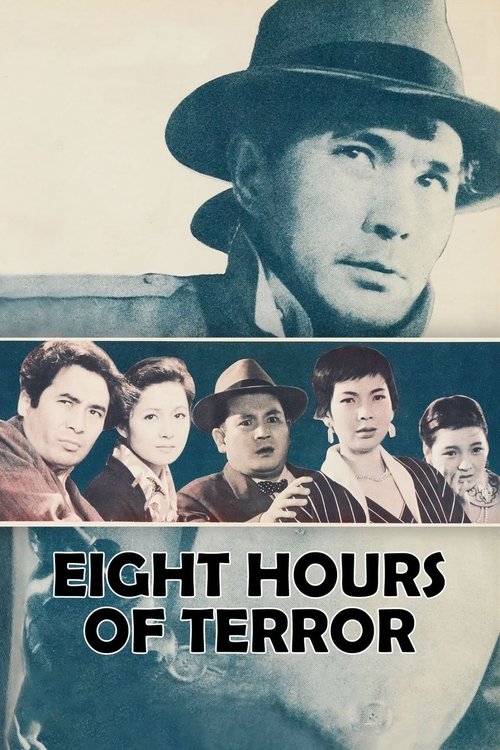
1957
Not RatedDirector
Seijun Suzuki
Runtime
77 minutes
Average Rating
No ratings yetNew Showbiz Analysis
Seijun Suzuki’s 1957 crime drama uses a closed-circle setting to explore social tension and power dynamics. The film relies on environmental peril and suspense rather than disrupting identity-based hierarchies. While the story creates a microcosm of friction between different groups, character development remains tied to the era's standard cinematic conventions. It prioritizes plot-driven conflict over diverse representation. Ultimately, the film serves as a traditional genre piece that reflects the demographic and social norms of its time without significant subversion.
Category Breakdown
The film does not include any verified queer narratives or characters with non-straight identities. It follows the era's restrictions on depicting intimate relationships between characters.
Gender roles in the film seem to follow traditional hierarchies common in mid-century Japanese crime dramas. There is no indication of challenging masculine leadership.
The cast is primarily made up of actors from similar backgrounds, reflecting the demographics of 1957 Japan. The film does not use diverse casting to challenge social structures.
The story operates within a traditional crime drama framework, focusing on individual survival and situational morality. It does not emphasize specific institutional or cultural ideals.
The film does not include any neurodivergent characters or individuals with physical disabilities. During this period, such traits were rarely explored through the lens of ability to act.
Present on Screen
Limited or Absent
Official Synopsis
A bus making its precarious way across a winding mountain road picks up some unwelcome passengers.
1965

1967
1967
1966

1961
1955

1966

1963
No reviews yet. Be the first to share your thoughts on this movie!
Use the rating form above to leave a star rating and optional review.