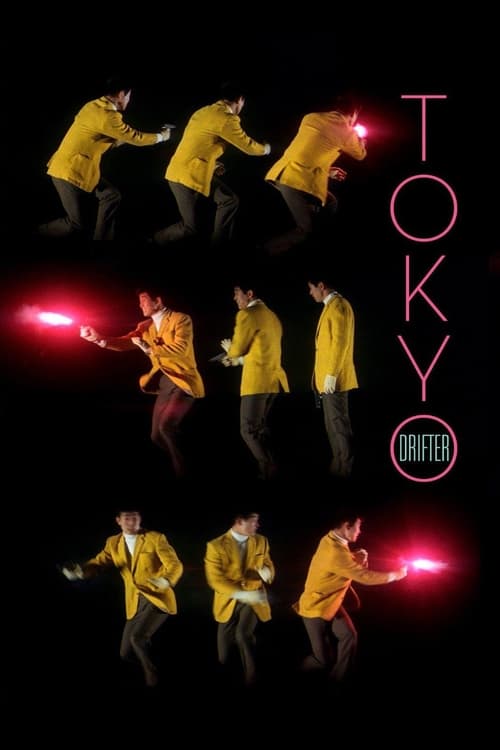
Tokyo Drifter
1966
No user ratings available yet
Representation score: 3.4 out of 10

Representation Score
Limited
1967
Not RatedDirector
Seijun Suzuki
Runtime
91 minutes
Average Rating
No ratings yetNew Showbiz Analysis
Branded to Kill is a postmodern deconstruction of the yakuza genre that prioritizes stylistic absurdity over demographic diversity. While it lacks direct representation of LGBTQ+ identities or diverse racial backgrounds, it excels in subverting traditional cinematic structures. The film's strength lies in its cultural departure from rigid moral frameworks. By replacing stable leadership with psychological decay and moral ambiguity, Suzuki crafts a unique, fragmented narrative. However, the work remains constrained by the era's limitations, featuring a predominantly male cast and an ethnically uniform setting. It offers little in the way of gender empowerment or neurodivergent representation.
Category Breakdown
There are no LGBTQ+ characters or depictions of same-sex intimacy in the film. The story focuses solely on a male-dominated criminal world.
Female characters are either absent or play minor roles with limited influence over the plot. Masculinity is portrayed through absurdity and psychological breakdown.
The cast is ethnically uniform, reflecting the production standards of 1960s Japanese cinema. There is no intentional effort to include diverse ethnic backgrounds.
The film stands out by challenging traditional moral and hero clichés. It presents a chaotic underworld where the lines between hero and villain blur.
The protagonist's obsession with the smell of boiling rice highlights his mental instability. This serves as a stylistic element rather than a deep exploration of mental health issues.
Present on Screen
Limited or Absent
Official Synopsis
After botching his latest assignment, a third-ranked Japanese hit man becomes the target of another assassin.
1966
1973

1963

1960
1965
2001
1978

1967
No reviews yet. Be the first to share your thoughts on this movie!
Use the rating form above to leave a star rating and optional review.