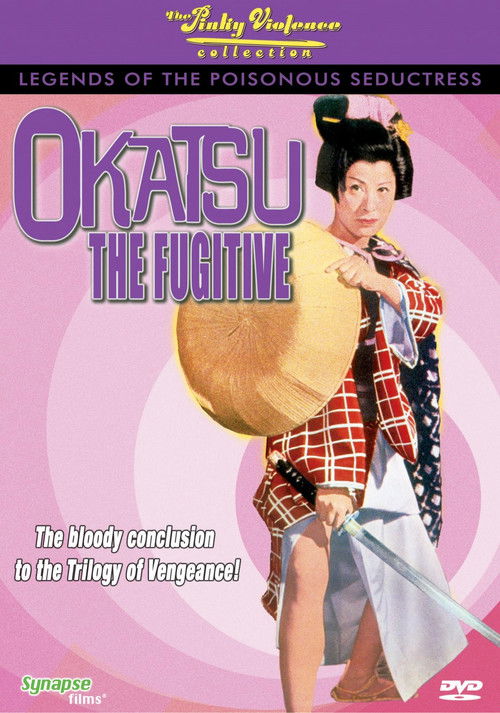
Okatsu the Fugitive
1969
No user ratings available yet
Representation score: 3.8 out of 10
Representation Score
Fair
1969
Director
Nobuo Nakagawa
Runtime
89 minutes
Average Rating
No ratings yetNew Showbiz Analysis
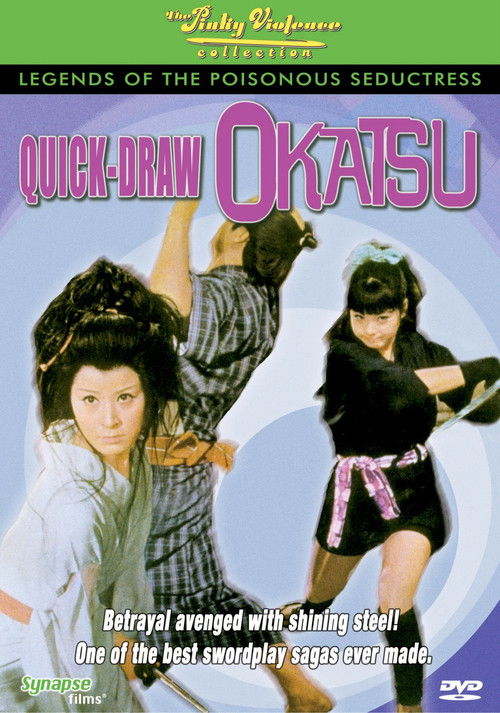
Quick-draw Okatsu stands out primarily for its subversion of gendered power dynamics. By portraying a woman as a superior combatant to her male relatives, the film challenges the era's typical depiction of passive females. However, the film is limited by its period-specific setting, which reflects a homogeneous ethnic landscape and adheres to conventional social structures regarding identity and sexuality. Ultimately, the film's strength lies in its critique of traditional institutions and its focus on a highly capable female protagonist driving a revenge arc.
Category Breakdown
The film focuses on a traditional revenge storyline centered around family ties. There are no LGBTQ+ characters or narratives addressing non-straight relationships.
Okatsu disrupts traditional gender hierarchies as a skilled swordsman whose abilities surpass those of her brother. The film challenges female passivity by centering the plot on her active role and violence.
Set in a specific Japanese historical context, the film reflects a homogeneous ethnic landscape. It stays true to its indigenous cinematic traditions without Western influence.
The narrative critiques the breakdown of patriarchal family units and systemic corruption. It explores justice sought outside formal institutions as a response to societal failures.
There is no documented evidence regarding the portrayal of physical or neurodivergent disabilities.
Present on Screen
Limited or Absent
Official Synopsis
This film focuses on Okatsu; the adopted daughter of a master swordsman. She is a master with a sword herself and her talents far overshadow that of her brother, and real child of the man who adopted her. Her brother unfortunately has a gambling habit, and it plunges the family into trouble when he loses a lot of money in a crooked dice game. After releasing he is unable to pay the debt he owes; the blame is shouldered by the father, who is killed, leading Okatsu on a path of revenge.
1969

1973

1961
1966
1990
1980
1966

1968
No reviews yet. Be the first to share your thoughts on this movie!
Use the rating form above to leave a star rating and optional review.