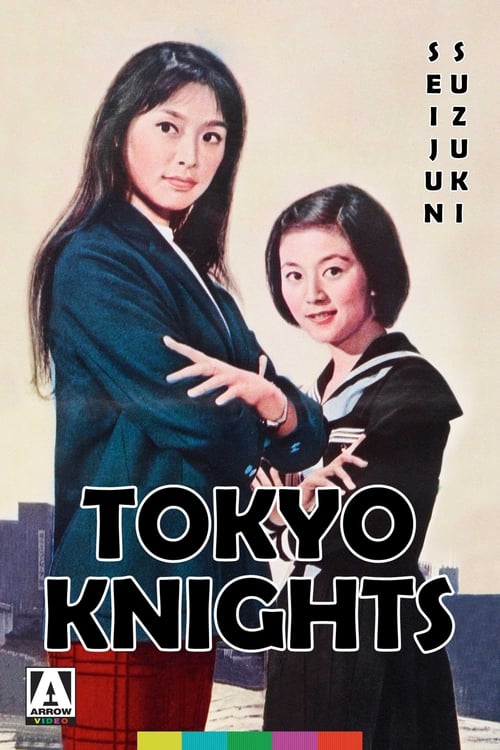
Tokyo Knights
1961
No user ratings available yet
Representation score: 3.3 out of 10
Representation Score
Limited
1962
Not RatedDirector
Seijun Suzuki
Runtime
71 minutes
Average Rating
No ratings yetNew Showbiz Analysis
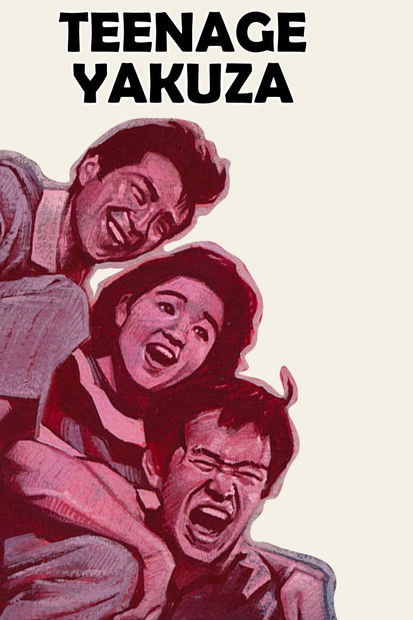
Teenage Yakuza is a product of its era, emphasizing mid-century masculine archetypes and underworld loyalty. The film deconstructs legal authority through its focus on criminal ability to act but within a framework that reinforces traditional gender and social structures. The narrative architecture remains rooted in the established conventions of the chivalry film. Ultimately, the work lacks depth in representing multiple aspects of identity, focusing instead on the specific social hierarchies and masculine identities prevalent in 1960s Japanese crime cinema.
Category Breakdown
The film focuses on traditional masculine bonds and hierarchical criminal structures. It does not include any queer narratives or characters with non-binary gender identities.
The story centers on male-dominated hierarchies and is driven by male protagonists. Female characters play minor roles and have little influence over the plot.
The production features a Japanese cast reflecting its domestic urban setting. It does not include diverse racial or ethnic backgrounds.
The narrative explores youth rebellion and localized morality through the lens of organized crime. It emphasizes group loyalty over institutional law, a common theme in the yakuza genre.
There is no evidence of the portrayal of physical or neurodivergent disabilities in this work.
Present on Screen
Limited or Absent
Official Synopsis
A high-school vigilante protects his community from the extortions of mobsters from a neighbouring city.
1961
1966
1963
1973
1963
1956

1972
1961
No reviews yet. Be the first to share your thoughts on this movie!
Use the rating form above to leave a star rating and optional review.