
Street Mobster
1972
No user ratings available yet
Representation score: 2.4 out of 10

Representation Score
Limited
1966
Not RatedDirector
Kinji Fukasaku
Runtime
84 minutes
Average Rating
No ratings yetNew Showbiz Analysis
Kinji Fukasaku’s 1966 thriller reflects the cultural context of its time, focusing on the mechanics of suspense and crime rather than exploring diverse identities. The narrative centers on a traditional family unit under threat, reinforcing the social hierarchies of the period. The film provides a localized, culturally specific experience. It highlights the tension between law-abiding citizens and violent criminals, emphasizing the importance of family and traditional order. Since the film adheres to the standard conventions of mid-century Japanese genre filmmaking, it does not deconstruct gender or social roles in the way more contemporary works might.
Category Breakdown
The film does not include any characters who identify as LGBTQ+. It follows the traditional norms of 1960s Japanese crime cinema without challenging the assumption that everyone is straight or cisgender.
Men play the central roles in the film, particularly the victim and the aggressors. The tension arises from a threat to the traditional male-dominated family structure.
The cast is mainly Japanese, reflecting the societal makeup of the time and place. The film does not use actors of different ethnicities or backgrounds.
The story focuses on the breakdown of middle-class life and family stability due to criminal activities. It centers on the conflict between law-abiding citizens and criminals, rather than exploring Western institutions or capitalism.
There are no characters with physical or neurodivergent disabilities in the film. The narrative does not include meaningful representation of disability.
Present on Screen
Limited or Absent
Official Synopsis
Two escaped criminals who kidnapped a baby break into the house of Misawa, a man who works in an advertising agency and lives quietly with his family. They will force him to collect the child's ransom for them.
1972

1967

1969

1966

1968
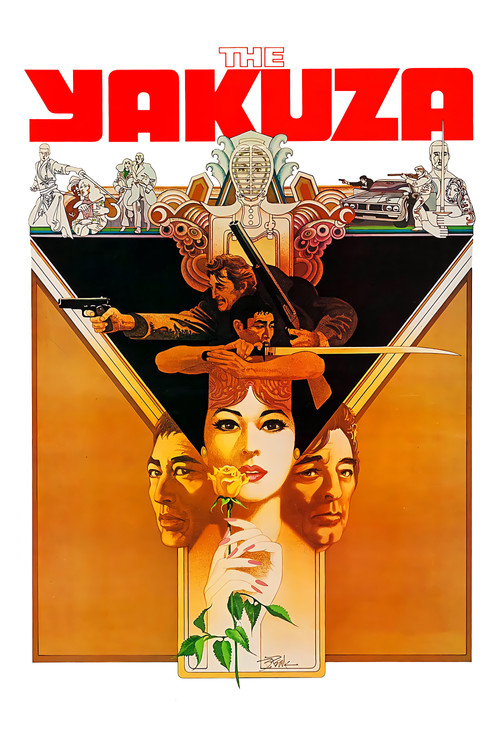
1974

1968

1968
No reviews yet. Be the first to share your thoughts on this movie!
Use the rating form above to leave a star rating and optional review.