
Branded to Kill
1967
No user ratings available yet
Representation score: 3.3 out of 10
Representation Score
Limited
1966
Not RatedDirector
Seijun Suzuki
Runtime
83 minutes
Average Rating
No ratings yetNew Showbiz Analysis
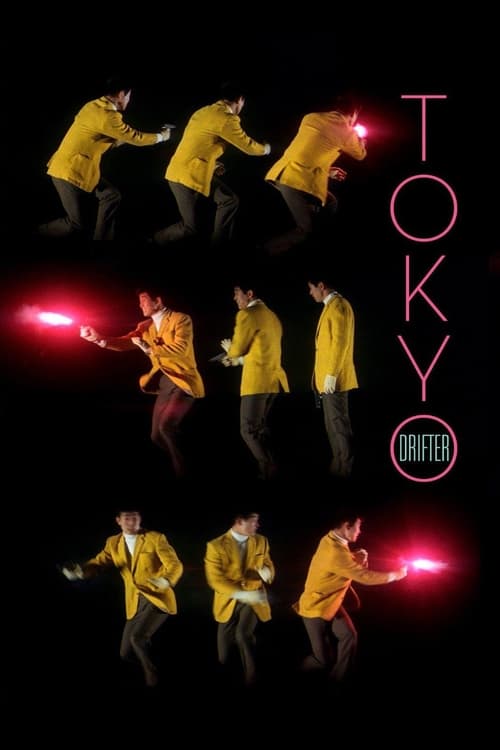
Tokyo Drifter is a stylistic rebellion that prioritizes postmodern critique over broad demographic representation. While it lacks diverse representation, it successfully challenges established social and institutional norms through its narrative structure. The film's strength lies in its critical portrayal of traditional authority. By depicting the yakuza structure as corrupt and decaying, Suzuki shifts from heroic clichés to a fragmented, morally ambiguous protagonist. However, the film remains limited by its cultural homogeneity. It relies on traditional gender archetypes and lacks any meaningful representation of LGBTQ+ identities or disability.
Category Breakdown
The film focuses exclusively on masculine yakuza hierarchies and does not include any queer subtext or non-straight identities.
Female characters mainly fit the femme fatale archetype. However, the protagonist's rejection of domesticity challenges traditional gender roles of provider and protector.
The cast and setting are culturally uniform, reflecting 1960s Japanese crime culture. It does not feature multi-ethnic or non-Anglo-centric casting.
The film effectively deconstructs the yakuza hierarchy as a decaying institution. It emphasizes moral relativism and individual choice over systemic social codes.
The narrative does not feature characters with visible or invisible disabilities.
Present on Screen
Limited or Absent
Official Synopsis
After yakuza boss Kurata dissolves his own criminal empire, a rival kingpin offers a position to Kurata's top operative, Tetsuya "Phoenix Tetsu" Hondo. When the fiercely loyal Tetsu declines, Otsuka taps unstoppable Tatsuzo the "Viper", a ruthless gun-for-hire, to assassinate him. As the Viper trails his target through the countryside, the agile Phoenix Tetsu grows concerned that one of his former associates has betrayed him.
1967

1974
1960

1963

1978
1965

1962

1967
No reviews yet. Be the first to share your thoughts on this movie!
Use the rating form above to leave a star rating and optional review.