
The White Cliffs of Dover
1944
No user ratings available yet
Diversity score: 1.6 out of 10
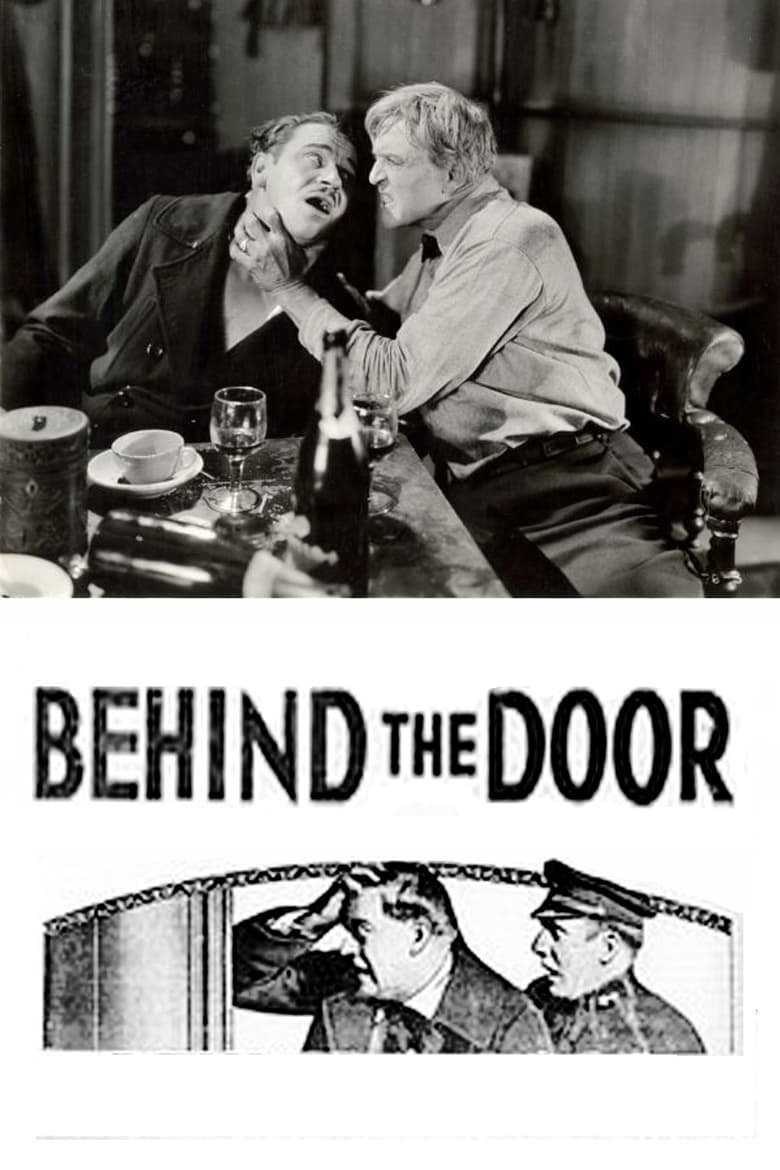
1919
NRDirector
Irvin Willat
Runtime
70 minutes
Average Rating
No ratings yetSynopsis
Oscar Krug is looked upon with suspicion by his neighbors because of his German name. When the US is drawn into the war with Germany, he enlists and travels the seas with his wife, Alice Morse. During a submarine attack Alice is snatched from Krug's side by a German officer. Krug now lives to have his revenge, and when the opportunity presents itself, he will have it.
Overall Score
Limited
Category Breakdown
LGBTQ+ Representation
The film focuses on a traditional wartime romance. There is no evidence of non-cisnormative identities or same-sex intimacy.
Gender Representation
The story centers on a male protagonist's journey of revenge. Alice Morse serves primarily as a catalyst for the male lead's emotional arc.
Racial & Ethnic Diversity
The plot explores ethnic tension through Oscar Krug's German heritage. However, it operates within the nationalistic binaries of the era.
Religious & Cultural Diversity
The narrative reinforces patriotic and nationalist sentiments. It aligns with traditional Western values of heroism and wartime duty.
Disability Representation
There are no visible or invisible disabilities portrayed. No characters are identified as having physical or neurodivergent impairments.
Strengths
Areas for Improvement
AI Analysis
Behind the Door is a period piece that reflects the social hierarchies of 1919. The narrative is driven by a male-centric quest for vengeance, utilizing the female lead as a plot device rather than an independent agent. While the film addresses ethnic friction regarding German-American identity, it does so through a nationalist lens. It lacks the intersectional complexity or subversion of institutional norms found in more diverse modern cinema. Ultimately, the film functions as a traditional wartime drama that reinforces the conventional social structures of its time.
1944
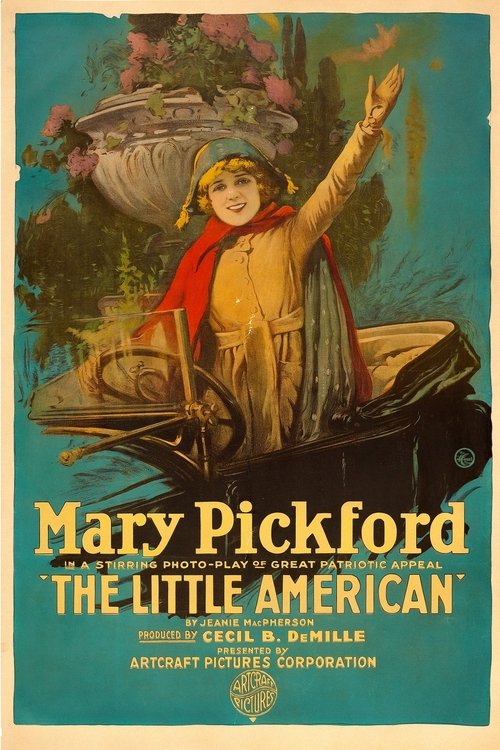
1917
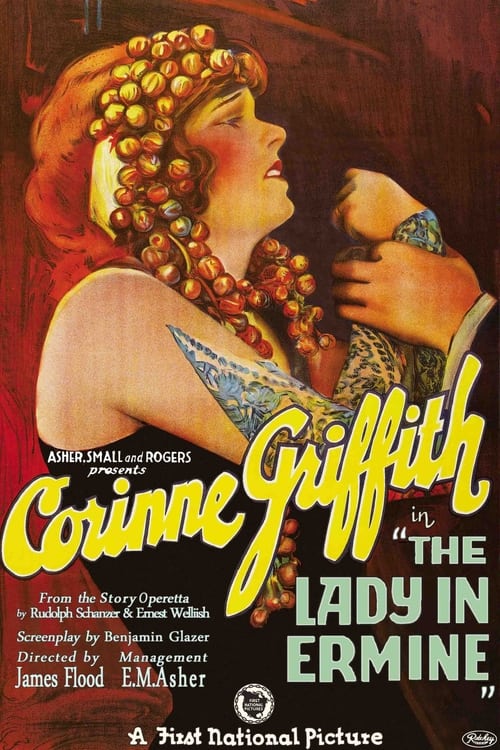
1927

1933
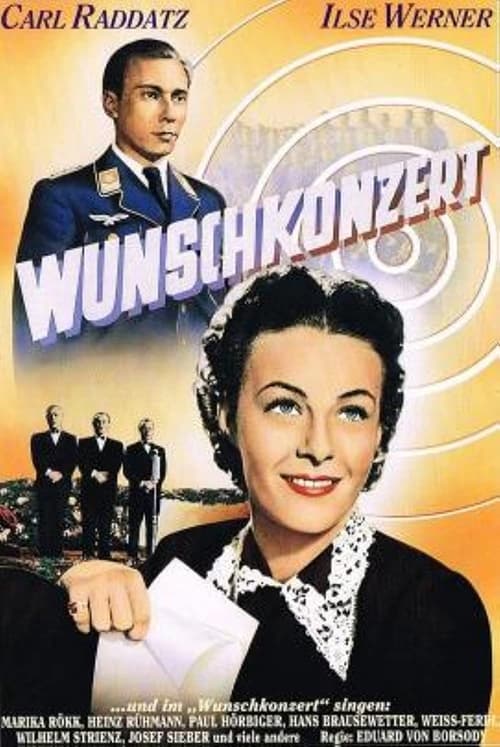
1940
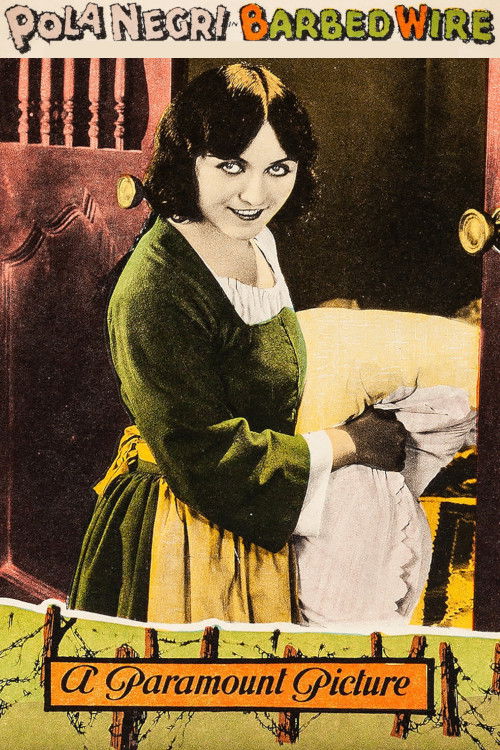
1927
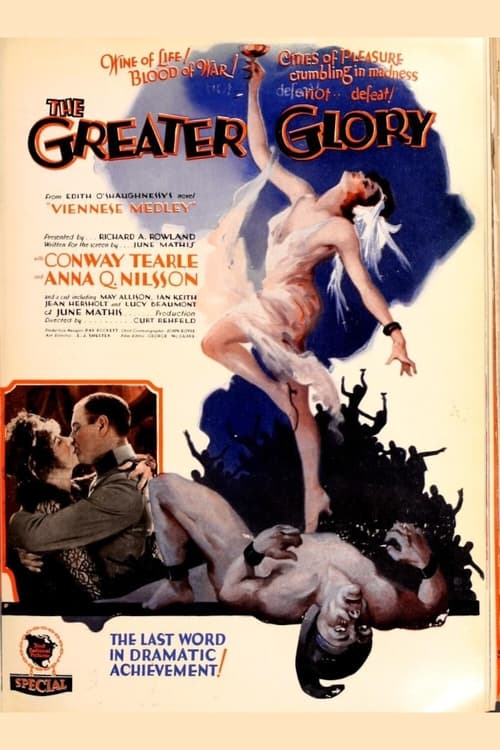
1926

1926
1930

1931

1964

1958
No reviews yet. Be the first to share your thoughts on this movie!
Use the rating form above to leave a star rating and optional review.