This Mad World
1930
No user ratings available yet
Representation score: 3.5 out of 10
Representation Score
Fair
1931
NRDirector
Josef von Sternberg
Runtime
91 minutes
Average Rating
No ratings yetNew Showbiz Analysis
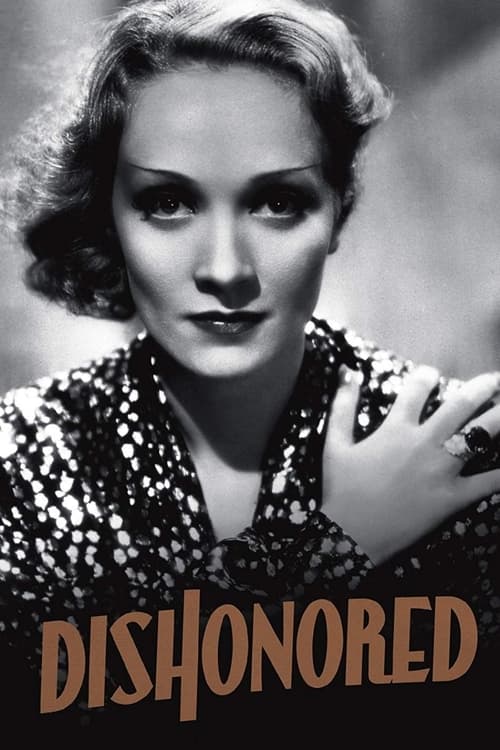
Dishonored is a period piece that emphasizes individual social maneuvering over systemic critique. While it lacks broad representation, it successfully challenges certain gendered expectations through its central protagonist. The film's strength lies in its portrayal of the female lead, who navigates rigid hierarchies with strategic intelligence. However, the production remains limited by the homogeneous casting and social norms of its era. Ultimately, the film operates within existing power structures without attempting to disrupt them, resulting in a narrow scope of representation.
Category Breakdown
The film follows the social structures of the early 1930s, which assume everyone is straight and cisgender. There are no representations of same-sex relationships or non-binary gender identities.
Marlene Dietrich’s character challenges passive femininity by using sexuality and social skills to gain power. The narrative gives the female lead significant intellectual and social influence.
The cast and setting appear mostly uniform, reflecting the era's casting practices. There is no visible racial or ethnic diversity within this European high-society context.
The story centers on preserving individual reputation within established moral frameworks. It does not offer explicit critiques of Western institutions like religion or capitalism.
Characters are portrayed through a lens of stylized social perfection. There are no prominent depictions of physical, sensory, or neurodivergent disabilities.
Present on Screen
Limited or Absent
Official Synopsis
The Austrian Secret Service sends its most seductive agent to spy on the Russians.
1930
1936
1927

1932
1927

1952
1949

1930
No reviews yet. Be the first to share your thoughts on this movie!
Use the rating form above to leave a star rating and optional review.