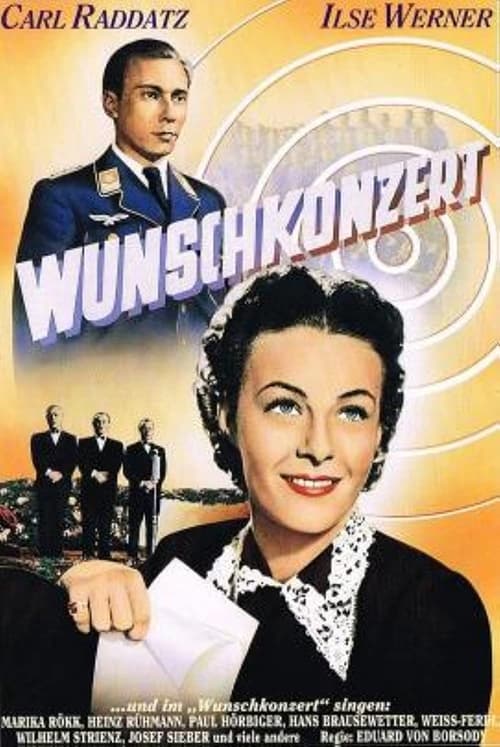
Request Concert
1940
No user ratings available yet
Representation score: 0.9 out of 10

Representation Score
Minimal
1944
NRDirector
Clarence Brown
Runtime
126 minutes
Average Rating
No ratings yetNew Showbiz Analysis
The film serves as a period-specific melodrama designed to bolster wartime morale. It prioritizes stability, patriotism, and traditional domestic roles over the disruption of systemic norms. While the protagonist shows resilience, her role is confined to the archetype of the stoic widow. The narrative reinforces established social hierarchies rather than challenging them. Ultimately, the production reflects the social constraints of 1944, presenting a homogeneous and traditional view of Western society and gendered expectations.
Category Breakdown
The film operates within a strictly straight-centered framework. The plot focuses on a whirlwind romance and marriage, offering no presence of non-binary gender identities.
Susan demonstrates emotional strength through maternal duty and domestic endurance. However, the narrative reinforces traditional hierarchies by framing female strength as support for patriarchal structures.
The cast is overwhelmingly homogeneous, reflecting the era's focus on the British gentry. It lacks racial or ethnic diversity, presenting a largely Anglo-Saxon social landscape.
The story prioritizes national unity and the preservation of the traditional family unit. It functions as a pro-Allied drama celebrating Western civilization and wartime patriotism.
There is no discernible representation of physical, sensory, or neurodivergent disabilities. The film focuses on universal emotional trauma rather than specific disability arcs.
Present on Screen
Limited or Absent
Official Synopsis
American Susan travels with her father to England for a vacation. Invited to a society ball, Susan meets Sir John Ashwood and marries him after a whirlwind romance. However, she never quite adjusts to life as a new member of the British gentry. At the outbreak of World War I, John is sent to the trenches and never returns. When her son goes off to fight in World War II, Susan fears the same tragic fate may befall him too.
1940
1958

1945

1932

1933

1942

1953

1940
No reviews yet. Be the first to share your thoughts on this movie!
Use the rating form above to leave a star rating and optional review.